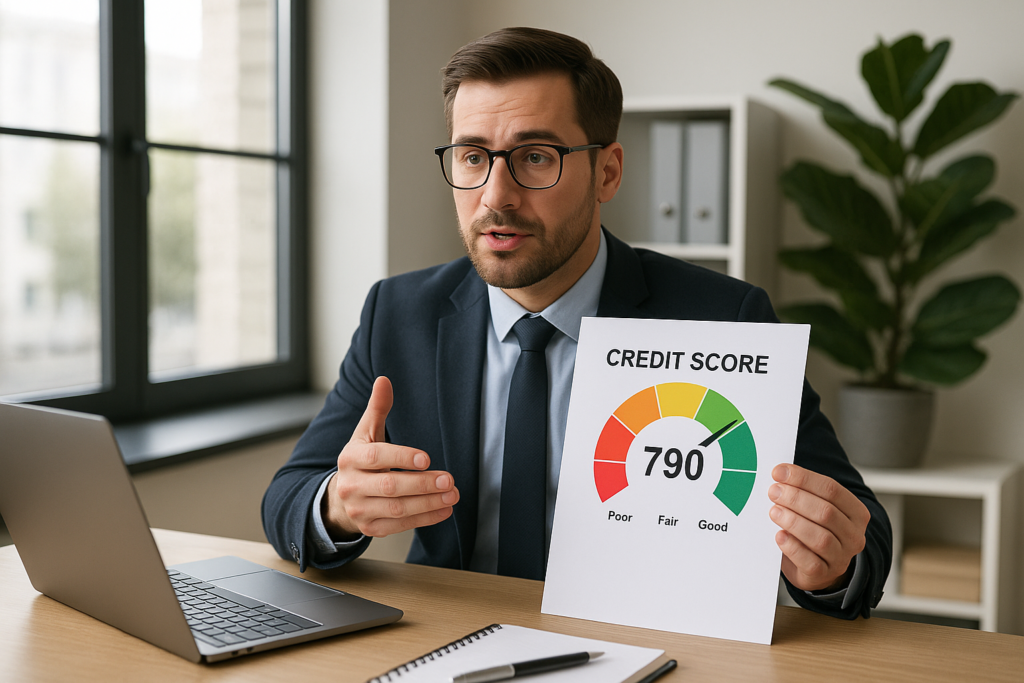
Credit scores often seem confusing—especially with so much advice swirling online. As a young professional, understanding credit scores myths is essential for building solid financial habits without falling for misinformation. Here’s what truly affects your score, which myths to ignore, and how to take control of your financial future, based on trusted expert advice.
What Actually Influences Your Credit Score?
Credit scores are numerical ratings used by lenders to gauge how risky it is to lend you money. Multiple factors work together in most scoring systems, like FICO or VantageScore. According to the Consumer Financial Protection Bureau and USA.gov, your score typically reflects these:
- Payment history: Timely payments on credit bills (most important factor).
- Amounts owed: How much debt you’ve used relative to your available credit.
- Length of credit history: How long you’ve had credit accounts.
- New credit: Frequency of recently opened accounts or hard inquiries.
- Types of credit: Mixture of installment (loans) and revolving (credit cards) accounts.
Common Credit Scores Myths Debunked
Misconceptions about how credit works can lead to costly mistakes. Here’s the truth behind some persistent myths as explained by the Federal Reserve Bank of St. Louis:
| Myth | Fact |
|---|---|
| Checking your own credit report hurts your score. | No. Personal checks (“soft inquiries”) do not affect your score. |
| All credit scores are the same. | No. Different lenders and models (like FICO or VantageScore) may give you different numbers. |
| Income impacts your credit score directly. | No. Your score is based on your credit behavior, not on your salary. |
| Closing old credit cards always helps. | No. This can reduce available credit and shorten your credit history, potentially lowering your score. |
| Paying off a debt instantly removes it from your credit report. | No. Paid debts can stay on your report for years, though negative marks fade over time. |
How to Improve (or Maintain) Your Credit Score
If you’re just getting started, follow these practical steps from USA.gov to strengthen your score:
- Always pay bills on time. Set reminders or autopay to avoid late payments.
- Keep credit utilization low. Aim to use less than 30% of your available credit for each card.
- Don’t open many new accounts at once. Each hard inquiry can nudge your score down temporarily.
- Check your credit report regularly. Review all three major bureaus (Experian, Equifax, TransUnion) for errors—free weekly reports are available at annualcreditreport.com.
- Keep older accounts open if manageable. A long credit history generally helps your score.
Illustrative example
Assumptions: Suppose Alex, age 24, has two credit cards:
- Card A: $400 balance of $2,000 limit, opened 3 years ago
- Card B: $100 balance of $1,000 limit, opened 1 year ago
Alex pays all bills on time, no late payments, and checks the credit report every four months. Alex is offered a store card (new credit).
- Current credit utilization: ($400 + $100) / ($2,000 + $1,000) = $500 / $3,000 = 16.7%
Opening the store card could boost available credit, but frequent new accounts would create multiple hard inquiries. Alex decides to avoid opening the new account and focuses on keeping credit card balances under $500 total. This helps keep utilization below 20%—well within the recommended range. Alex also keeps the oldest card active to preserve credit history.
What Doesn’t Affect Your Credit Score
- Your income, job title, or savings balance are not part of your score. Lenders may consider them, but they’re excluded from scoring formulas (St. Louis Fed).
- Checking your credit yourself is always safe. Only “hard” inquiries—usually from a lender you authorized—count against your score.
- Having no debt doesn’t automatically mean a high score. Showing a history of responsible credit use is key.
Checklist: Fast Facts for Young Professionals
| Action | Why It Matters |
|---|---|
| Set up bill autopay or reminders | Timely payments are the biggest score factor |
| Keep balances low | Low credit use signals responsibility |
| Check reports for errors every few months | Fixing errors can restore lost points |
| Don’t close your oldest active card | Maintains a longer credit history |
| Limit new hard inquiries | Too many can temporarily lower your score |
What to Do Next
Start by reviewing your current credit report from all three bureaus. If you spot errors, contact the bureau in writing to dispute them. For related answers on managing financial risks, see our guide to cryptocurrency risks for conservative investors. Prioritize evidence-based steps over hearsay for your financial health.