Yes, many national parks are pet-friendly, but each has its own set of rules and restrictions. Planning a pet-friendly national parks trip means checking specific park regulations, preparing your pet for safe outdoor visits, and following clear etiquette to protect both wildlife and your companion. Here’s how to make your next outdoor adventure enjoyable for everyone, pets included.
Understanding Pet Policies in National Parks
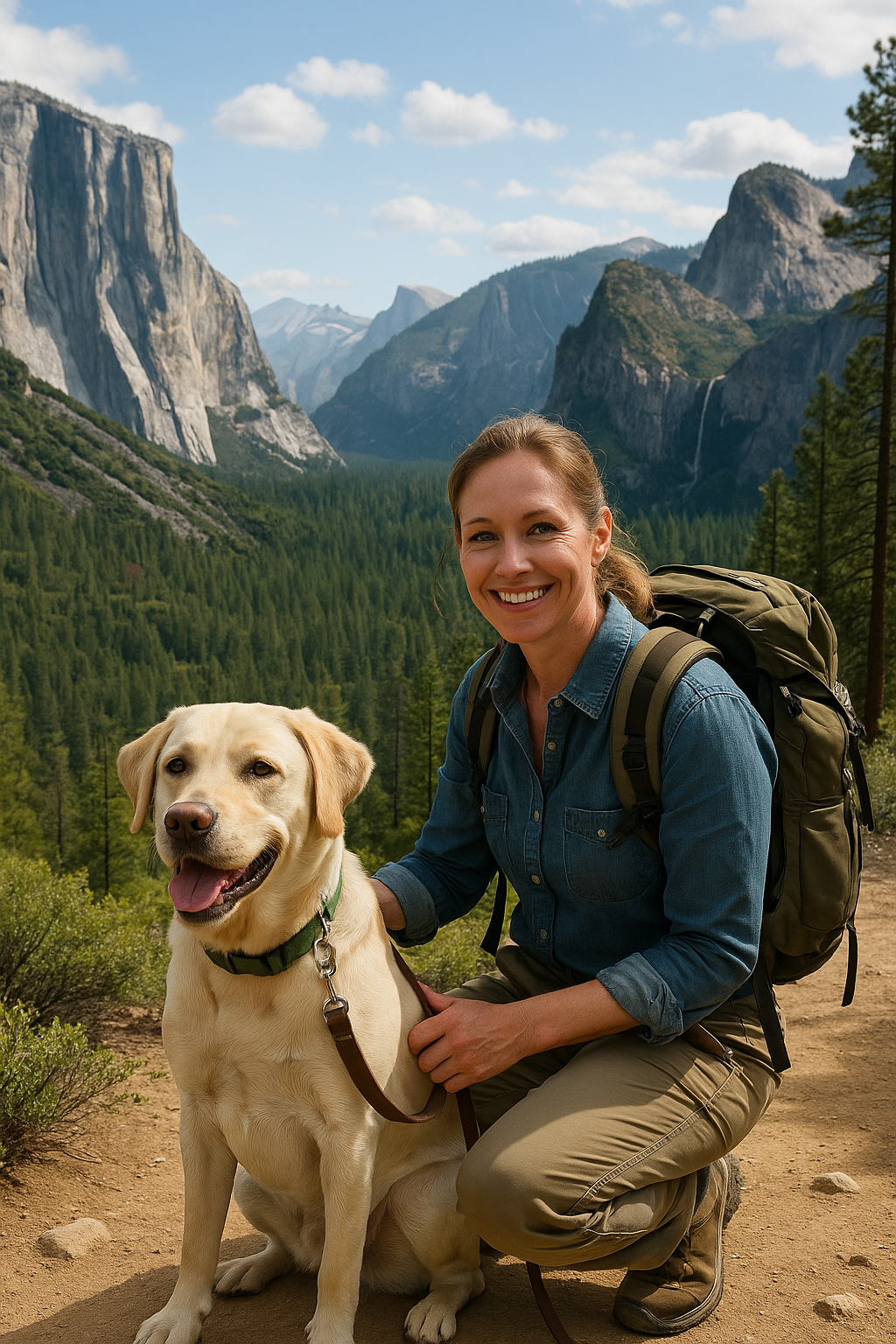
Every U.S. national park sets its own pet policies. Most allow leashed pets in developed areas, parking lots, many campgrounds, and some paved trails—but there are notable limitations. Pets are typically not allowed on unpaved trails, in designated wilderness areas, or inside public buildings. Review the pet policy of your chosen park well before your visit to avoid surprises. Refer to the official National Park Service guidelines for the most current rules.
General Rules for Bringing Pets
- Pets must be leashed at all times; the leash should be no longer than six feet.
- Keep pets out of public buildings and most wilderness trails.
- Clean up after your pet and dispose of waste in proper receptacles.
- Never leave pets unattended, especially in vehicles.
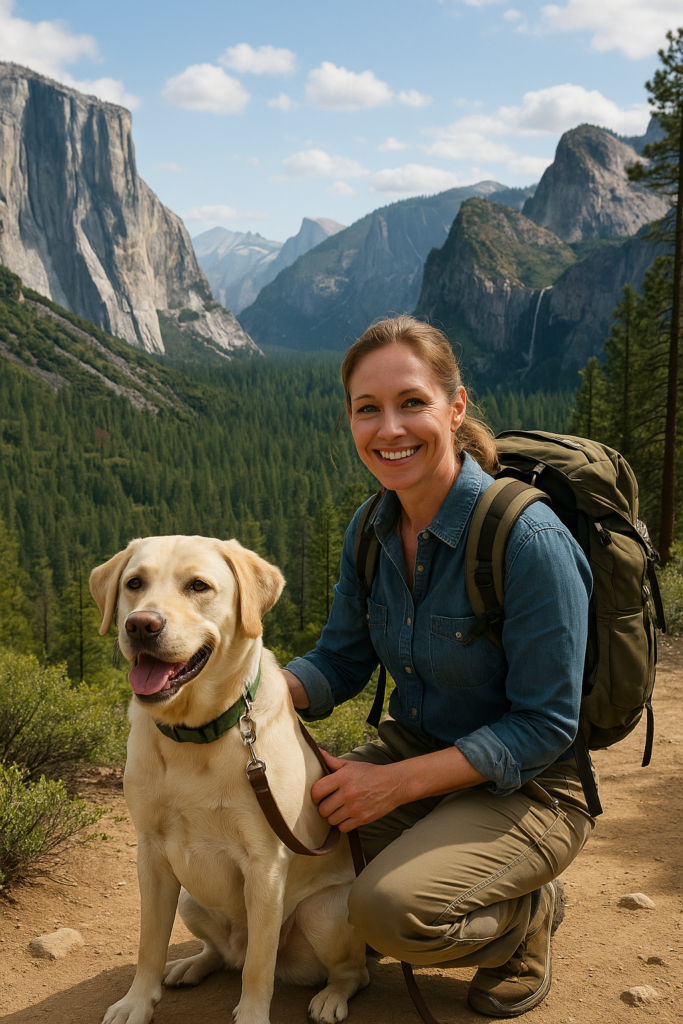
For more detailed context, the Yosemite National Park pet policies state that pets are allowed only in developed areas, on fully paved roads and paths. At Great Falls Park, pets can join you on all park trails, overlooks, and picnic sites, but not in the water or visitor centers.
Typical Areas Where Pets Are Allowed and Prohibited
| Park Area | Often Allowed? | Key Restrictions |
|---|---|---|
| Developed areas (roads/campgrounds) | Yes | On-leash, always attended |
| Paved trails and sidewalks | Usually | Leashed, stay on path |
| Unpaved/wilderness trails | No | Typically prohibited to protect wildlife |
| Visitor centers/buildings | No | Service animals exempt |
| Water areas (rivers, lakes) | Rarely | Swimming often prohibited |
How to Prepare for a Pet-Friendly Park Visit
- Check the Park’s Official Website: Each park page details its pet policies and maps where pets are allowed.
- Pack the Essentials: Bring water, food, waste bags, a sturdy leash, vet records, and any medication your pet might need.
- Outdoor Safety Gear: Hot pavement, sharp rocks, and wildlife hazards exist. Consider paw protection and don’t forget a collar with ID tags.
- Plan Pet-Friendly Activities: Focus on scenic drives, paved walks, and designated pet-access areas.
B.A.R.K. Ranger Program: Encourage Responsible Visits
The National Park Service promotes the B.A.R.K. Ranger program to help protect wildlife and the visitor experience. Remember to:
- Bag your pet’s waste
- Always leash your pet
- Respect wildlife
- Know where you can go
Participation in this program is voluntary but offers a great framework for responsible pet ownership in parks. See more details at the official Pets in Parks NPS page.
Illustrative Checklist: Planning a Trip with Your Pet
| Step | Actions | Notes |
|---|---|---|
| Confirm park policy | Check park’s pet rules online | If not clear, call visitor center |
| Leash and ID | Use 6’ leash and update ID tags | Essential for every park |
| Pack water/waste bags | Bring enough for entire trip | Some parks have no supplies for pets |
| Choose safe routes | Pick paved or developed trails | Paved = usually allowed for pets |
| Store pet food properly | Use bear-proof containers if needed | Don’t leave food out |
Illustrative Example: Choosing a Park for a Leashed Dog
Illustrative example (assumptions: traveling with a leashed dog, want to hike and camp overnight):
- Step 1: You choose between Yosemite and Great Falls Park.
- Step 2: You check rules: Yosemite—dogs allowed only on paved roads and developed areas; Great Falls—dogs allowed on all trails (if leashed), but not in the water (per Great Falls Park policies).
- Step 3: For maximum trail access, you select Great Falls Park, ensuring you bring your leash, waste bags, and pack enough water for your dog on the trails.
Common Limitations and Safety Tips
- Pets are not permitted on most national park shuttles or guided programs.
- High summer temperatures mean cars quickly become unsafe for animals.
- Wildlife interactions can pose a risk; keep pets close and do not feed animals.
Never leave pets unattended in hot vehicles and avoid trails or surfaces that become dangerously hot for paws. Store food safely to avoid attracting bears or other wildlife, especially in bear country. See these tips directly from the Yosemite pet guidelines.
What to Do If You Encounter a Restriction
If a park’s pet policies are too restrictive for your needs, consider state parks, local trails, or other pet-friendly vacation options that allow more flexibility. Always have a backup plan, such as pet-sitting or boarding nearby.
Ready for a Pet-Friendly Park Visit?
With thoughtful preparation—including reviewing pet policies, packing wisely, and following responsible park etiquette—you and your pet can enjoy a rewarding national park adventure. For more on experiencing parks like a local, see our local tips guide.