
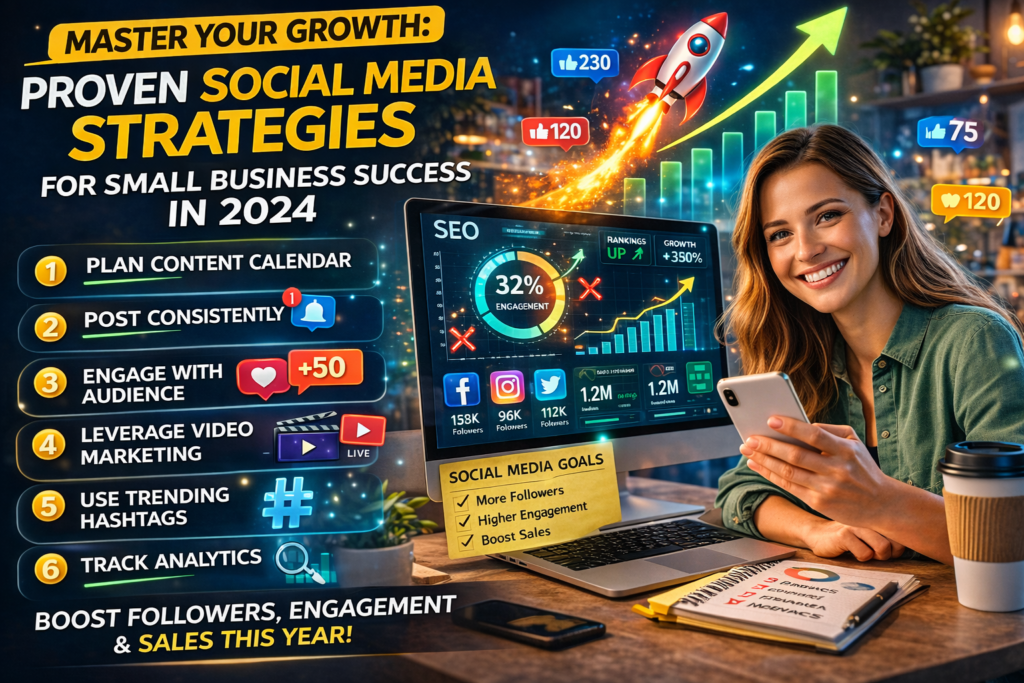
Master Your Growth: Proven Social Media Strategies for Small Business Success in 2024
Are you ready to transform your small business’s social media presence in 2024? In today’s fast-changing landscape, mastering social media marketing is not just an option; it’s a necessity for small businesses aspiring to grow. This comprehensive guide delves into crafted social media strategies tailored specifically for small businesses, equipping you with the tools to engage your audience effectively and convert them into loyal customers.
Understanding the Current Social Media Landscape
Before jumping into strategies, it’s vital to grasp the key trends defining 2024. Platforms like Instagram, Facebook, TikTok, and LinkedIn continue to evolve, demanding that your approach reflect these changes to maximize impact.
Key trends to note include:
- Video Content Dominance: Short-form videos dominate engagement metrics, especially on TikTok and Instagram. Consider interactive formats like polls or challenges to boost participation.
- Authenticity Over Perfection: Brands showcasing genuine interactions and real-time content resonate more with users. Sharing user testimonials can amplify this authenticity.
- Influencer Collaborations: Micro and nano-influencers often yield higher engagement and authenticity, especially within niche markets.
1. Define Your Brand’s Voice and Identity
Your social media voice is your brand’s personality. A well-defined voice helps you stand out and fosters a deeper connection with your audience. For more insights on this crucial aspect, check our guide on branding.
Steps to Define Your Social Media Voice:
- Know Your Audience: Identify your target demographic through surveys and analytics tools to understand preferences, demographics, and behaviors.
- Establish Core Values: Clearly outline your brand’s principles to guide your messaging and forge deeper connections.
- Choose Your Style: Decide if your voice will be casual, professional, humorous, or empathetic to resonate with your target audience.
2. Crafting Engaging Content
Content is the backbone of your social media strategy. Producing high-quality, relevant content is paramount for engagement. Consider these content formats to appeal to diverse audiences:
Types of Content to Consider:
- Informative Posts: Share educational content that builds your authority and keeps audiences informed.
- User-Generated Content: Encourage customers to share their experiences, promoting authenticity and community.
- Behind-the-Scenes Looks: Showcase your team’s daily operations to foster a human connection and trust.
- Contests and Giveaways: Drive participation and brand awareness with engaging contests that reward your audience.
3. Leverage Social Media Advertising
Paid advertising on social platforms can vastly increase your reach. Targeting the right audience is critical for maximizing your investment’s effectiveness. Explore our resource on digital advertising for detailed strategies.
Best Practices for Social Media Advertising:
- Set Clear Objectives: Identify goals—brand awareness, lead generation, or sales—to effectively measure your campaign post results.
- Utilize Targeting Tools: Leverage demographic and interest-based targeting to reach the ideal customers.
- A/B Test Your Ads: Regularly test ad variations to determine what works best in terms of message and visuals.
4. Engage with Your Audience
Social media is a dialogue, not a monologue. Engaging with your audience is vital for building brand loyalty. Our article on community engagement strategies can provide additional insights.
Ways to Engage:
- Respond to Comments: Show your audience that their input matters by providing timely replies to comments and messages.
- Run Polls and Quizzes: These interactive tools cultivate user involvement and provide valuable feedback.
- Host Live Sessions: Use live streaming events to enhance immediacy and connection with followers.
- Community Building: Foster discussions through groups or forums around your business to encourage loyalty and engagement.
5. Monitor and Analyze Performance
Ongoing analysis of your social media efforts is essential for refining your strategies and maximizing effectiveness.
Key Metrics to Monitor:
- Engagement Rate: Analyze likes, shares, and comments to assess content resonance and audience interest.
- Traffic to Your Website: Track how social media drives traffic to your website—adjust strategies for improvement.
- Conversion Rate: Measure leads or sales stemming from social media efforts to gauge overall ROI.
- Follower Growth Rate: Monitor follower growth to understand your social media health and engagement levels.
Avoiding Common Mistakes
Many small businesses stumble in their social media efforts. Here are common pitfalls to avoid:
- Inconsistent Posting: Maintain a steady posting schedule to keep your audience engaged and informed.
- Lack of Strategy: Avoid inconsistency in your messaging by planning ahead and aligning efforts with your business goals.
- Ignoring Analytics: Neglecting key metrics can lead to missed opportunities and wasted marketing resources.
- Neglecting Customer Feedback: Always listen to your audience’s views; ignoring feedback can hinder your reputation and growth.
Conclusion
Adopting the best social media strategies for small businesses in 2024 is imperative for capturing attention and driving sales. By focusing on defining your brand voice, creating compelling content, leveraging paid ads, and engaging meaningfully with your audience, you can set your business on a path to sustained growth. As you progress, continuously review your performance metrics and adapt your strategies to stay ahead in this ever-changing environment.
FAQs
1. What is the most effective social media platform for small businesses in 2024?
While it varies by audience, Instagram and Facebook remain effective due to their vast reach and robust advertising features.
2. How often should a small business post on social media?
Posting at least 3-5 times per week is advisable, but adjust based on platform norms and audience behavior to maintain visibility.
3. Can I automate my social media posting?
Absolutely! Tools like Buffer or Hootsuite let you schedule posts, freeing up your time for genuine engagement.
4. How does social media advertising benefit small businesses?
It enables precise targeting, enhancing brand visibility and driving sales more efficiently, especially for businesses on constrained budgets.