If you’re watching Mushoku Tensei: Jobless Reincarnation Season 3, you may recognize its drama and action—but key themes often pass unnoticed. This guide reveals the deeper Mushoku Tensei themes, focusing on redemption, fragile ethics, gendered dialogue, and how the series reshapes the isekai genre. Understanding these elements adds new layers to your viewing experience.
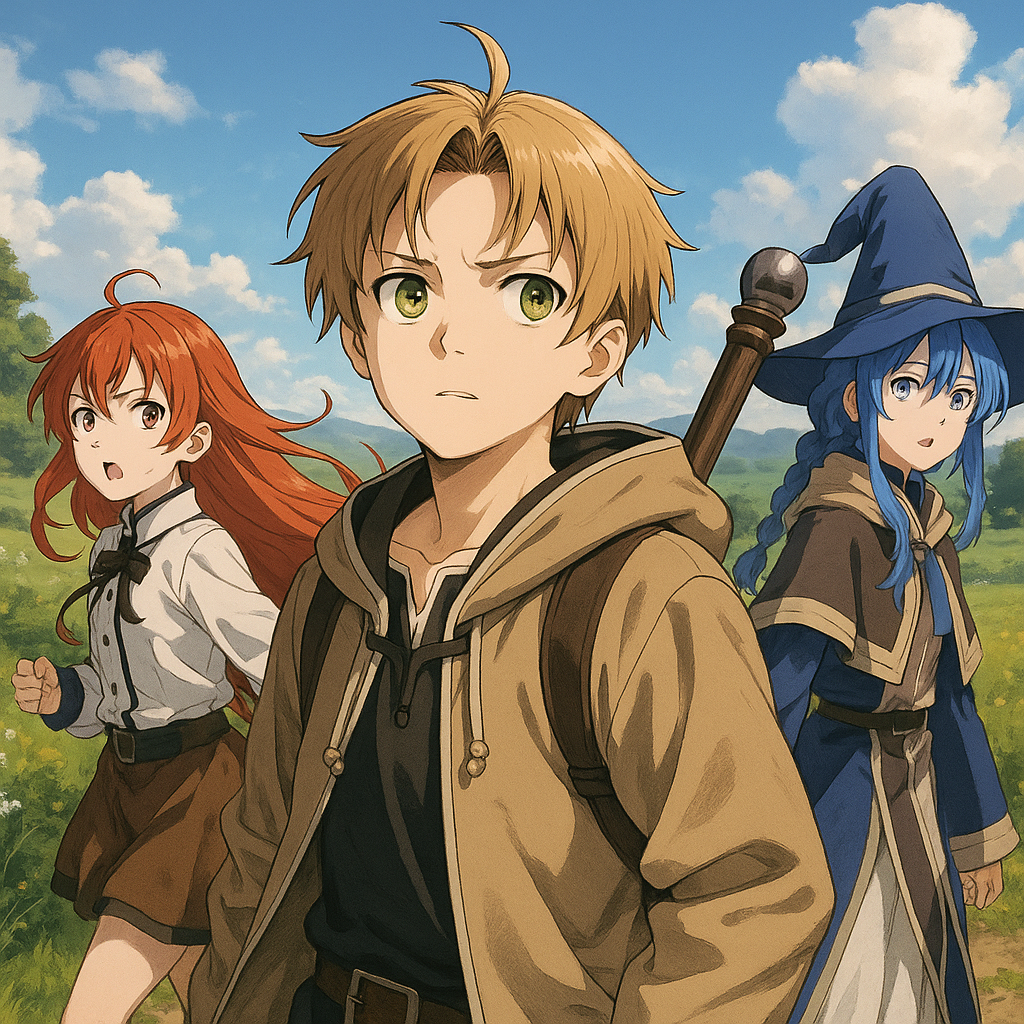
Redemption and Moral Complexity
Mushoku Tensei continually puts its hero, Rudeus, in morally ambiguous situations. While many stories celebrate their protagonist’s growth as a straightforward path toward heroism, this series dramatizes his failings and moral struggles. Adult regrets and desires collide with a child’s body and second chance.
According to a scholarly analysis, the series intentionally exposes—not celebrates—Rudeus’s moral corruption. It frames his redemption as a gradual process embedded in tension rather than a neat transformation. Rudeus’s actions stem from both sincere regret and ongoing temptation, reflecting a constant negotiation between desire and responsibility. Childhood, too, is not treated as innocence; it’s a symbolic battleground where old habits clash with new possibilities (Mushoku Tensei Más allá del renacer).
Key Decision: Recognizing Fragile Ethics
- Notice how Rudeus grapples with temptation even after his apparent apologies.
- Pay attention to failures and setbacks; these are central, not just plot detours.
- Recognize childhood as a stage for conflict, not a lost paradise.
Dialogue and Reader Interaction: Gendered Language Nuances
Another subtle theme is the use of gendered language in character dialogue. In the original web novel, fan comments frequently flagged characters for not matching expected speech patterns—the “onnna kotoba/otoko kotoba” rule distinguishing feminine from masculine speech in Japanese fiction. Fans and writers engaged in a perpetual dialogue about how these characters communicate, highlighting underlying assumptions about gender and identity (Web Fiction as Work: Focusing on the Comment Column).
This interaction shapes the characters’ voices and reminds viewers that even dialogue in Mushoku Tensei is a constructed space, loaded with social meaning. Discrepancies in speech offer clues about the characters’ self-image and sometimes fuel controversy or discussion.
Checklist: Spotting Gendered Dialogue Themes
| Observation | What to Look For | Interpretation |
|---|---|---|
| Inconsistent speech style | Characters using phrases typical of another gender | Hints at identity struggles or author intent |
| Fan discussions | Online debates about dialogue or character sound | Reflects audience engagement with gender norms |
| Corrections in adaptation | Changes from web novel to anime speech | Adaptation to broader audience expectations |
Impact on the Isekai Genre
Many fans praise Mushoku Tensei for its animation or emotional arcs, but its structural significance is easy to overlook. Scholarly research notes that it is a genre-defining work, setting many conventions—like the reincarnated protagonist, detailed worldbuilding, and focus on self-reinvention—that now characterize modern isekai (Survey of the Story Elements of Isekai Manga).
The series asks not just “what would you do with a new life?” but “can anyone really change, and at what cost?” These deeper questions drive the narrative beyond simple wish fulfillment.
Illustrative Example: Evaluating Genre Influence
Assumption: Suppose you encounter three isekai series—one focusing on overpowered protagonists, one on romantic comedy, and Mushoku Tensei.
- Checklist:
- Does the protagonist reflect on their past and attempt meaningful change? (Mushoku Tensei: Yes)
- Is childhood or rebirth used to question identity, not just grant power? (Mushoku Tensei: Yes)
- Are ethical failures acknowledged, not glossed over? (Mushoku Tensei: Yes)
Analysis: Using this checklist, Mushoku Tensei stands out by focusing on self-accountability and personal struggle, setting a template that others often follow superficially or overlook.
Why These Themes Matter
Understanding these overlooked Mushoku Tensei themes offers more than trivia; it helps you recognize the series’ ambitions. The fragile ethics, constant negotiation between desire and self-control, and dialogue-based character building form the emotional backbone of the story.
Recognizing these layers equips you to spot more subtle character shifts and appreciate the ways Mushoku Tensei advances the isekai genre with nuance and depth.
How to Watch with New Eyes
- Look for the tension in Rudeus’s choices—where desire and responsibility clash.
- Notice speech patterns and how they reflect underlying gender themes.
- Compare Mushoku Tensei’s approach to rebirth and ethics with other isekai series.
Next step: On your next episode, actively reflect on how each scene addresses regret, personal ethics, and character voice. For further reading on isekai storytelling, consult the scholarly survey on the genre’s evolution (Survey of the Story Elements of Isekai Manga).