
Visiting national parks with kids opens up a world of nature, learning, and family bonding. By planning thoughtfully, choosing kid-friendly activities, and embracing flexibility, you can ensure your family’s adventure is both enjoyable and stress-free. This guide walks you through essential decisions and practical tips for navigating America’s national parks with kids.
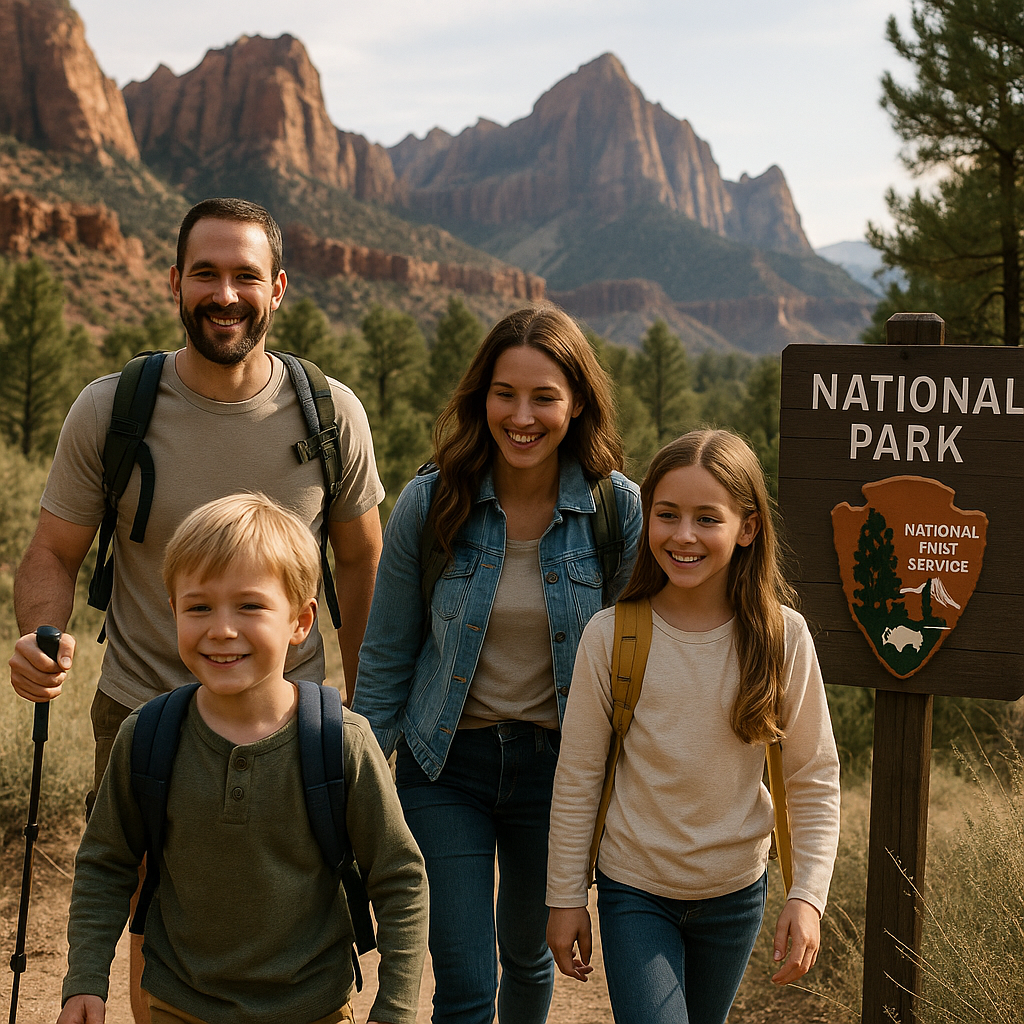
Where to Begin: Choosing a Park and Time
Start by selecting a park that aligns with your children’s interests and abilities. The National Park Service (NPS) website offers search tools by location, activity, or theme. Consider factors like travel distance, climate, and the season—many larger or popular parks require advance reservations during peak times. Check park websites in advance to confirm park hours, entry fees, and current safety alerts (NPS Plan Your Visit).
Questions to Guide Your Decision
- What activities interest your children? Look for parks with kid-centric options such as nature walks, wildlife spotting, and interactive exhibits.
- How far are you willing to travel? Factor in drive time and children’s tolerance for car journeys.
- What time of year fits your family’s schedule? Consider weather, crowd levels, and any special seasonal programs for kids.
Pre-Arrival Planning: Prepare for Safety and Fun
Prioritize safety and comfort. The NPS recommends checking current park advisories and weather. Pack essentials: layered clothing, sun protection, water, snacks, a basic first aid kit, and comfortable shoes. Download offline park maps or the NPS mobile app, as cell service can be unreliable (NPS Plan Your Visit).
| Essentials for Kids | Why It Matters |
|---|---|
| Reusable water bottle | Staying hydrated, especially on hikes |
| Sun hat & sunscreen | Protection from sunburn |
| Healthy snacks | Energy boost between stops |
| Layered clothes | Comfort in changing weather |
| Pocket map or app | Navigation when offline |
| Notebook or coloring items | Quiet moments, nature journaling |
Arriving at the Park: Visitor Centers and Orientation
On arrival, stop at the park’s visitor center. Rangers can answer questions, provide up-to-date maps, and recommend trails or activities suitable for your family. Visitor centers usually offer restrooms, water refill stations, and special programs, such as daily talks or interactive displays. Many parks also provide Junior Ranger booklets: kids complete activities to earn a badge or patch, fostering engagement and learning (Advice From a Ranger).
Selecting Kid-Friendly Activities
Focus on making the park experience positive and manageable. Not every activity will fit young children’s interests or endurance, so stay flexible. The NPS recommends:
- Story-hour events and ranger-led programs
- Short, flat trails with wildlife viewing or water features
- Junior Ranger challenges tailored to each park
- Picnic areas or playgrounds for unstructured play
Always double-check the park website or visitor center for a current schedule and specific family offerings (Advice From a Ranger).
Family-Friendly Hiking Tips
Hiking is the heart of a national park visit, but it’s important to match trails to your child’s stamina. Start with easy, short loops and gradually introduce new terrain as your children gain confidence. Some parks, like Zion, feature paved trails ideal for families, such as the Pa’rus Trail and Riverside Walk (Hiking with Children).
- Let kids set the pace—encourage exploration and breaks for nature observation.
- Bring a child carrier for toddlers if planning longer distances.
- Turn back early if kids tire or conditions worsen; forced marches can sour enthusiasm.
Illustrative example: Selecting a Trail
Assumptions: Two adults, one 7-year-old, and one toddler in Zion National Park.
- Adults want scenic views but need a route suitable for all.
- They check the NPS site and see the Pa’rus Trail is fully paved (3.5 miles round trip), stroller-friendly, and offers several river access points.
- They pack water, snacks, a stroller, a hat, and sunscreen.
- On the trail, the group takes breaks at shady spots, explores the riverbank, and lets the 7-year-old take nature photos for a Junior Ranger booklet.
- Close monitoring ensures the group can turn back at any time—flexibility remains key.
Encouraging Engagement and Curiosity
Make the experience interactive. Let kids use park checklists or scavenger hunts to spot plants, animals, or landmarks. Participate together in Junior Ranger activities, and allow children to document what interests them, such as sketching nature scenes or collecting (permitted) pebbles or leaves.
Being Flexible: When Plans Change
Unexpected challenges—weather shifts, tired children, or trail closures—are common. Adjust your itinerary as needed. Shorten a hike, pivot to picnic or playground time, or return to the visitor center for an indoor alternative. The NPS highlights that reframing setbacks as part of the adventure can keep children’s spirits high and teach adaptability (Advice From a Ranger).
Safety Best Practices
- Stay on marked trails and keep children close.
- Teach kids about wildlife safety: never feed or approach animals.
- Carry a small first aid kit and review emergency contacts upon arrival (NPS Plan Your Visit).
- Explain park rules and respect for the environment: pack out trash, do not pick flowers, and leave no trace.
Checklist: Essential Steps for Navigating National Parks with Kids
| Step | Action |
|---|---|
| 1 | Choose destination based on family interests and travel time |
| 2 | Check NPS website for entry details, hours, and alerts |
| 3 | Prepare essentials: water, sun gear, snacks, map/app |
| 4 | Stop at visitor center for orientation and picking up Junior Ranger materials |
| 5 | Choose short, suitable trails and activities |
| 6 | Keep a flexible schedule, adjust plans as needed |
| 7 | Encourage kids to document and participate |
| 8 | Prioritize safety and environmental respect |
Related Guides for Family Adventures
- Mastering Family Adventures: Navigate US National Parks with Kids
- Eco-Conscious Travel Choices in National Parks: 7 Low-Impact Tips
- Escape Crowds: How to Experience Hidden Gems in National Parks
Practical next step: Choose a national park and start planning your family’s itinerary with input from your children. Review the park’s website and download the NPS app to explore activities and Junior Ranger programs before your visit.
Sources and further reading
- Advice From a Ranger: Visiting National Parks with Kids (U.S. National Park Service)
- Hiking with Children (U.S. National Park Service)
- Plan Your Visit (U.S. National Park Service)
Related guide: Pet-Friendly National Parks: Practical Planning Guide.

Pingback: Family National Park Adventures: A Practical Planning Guide