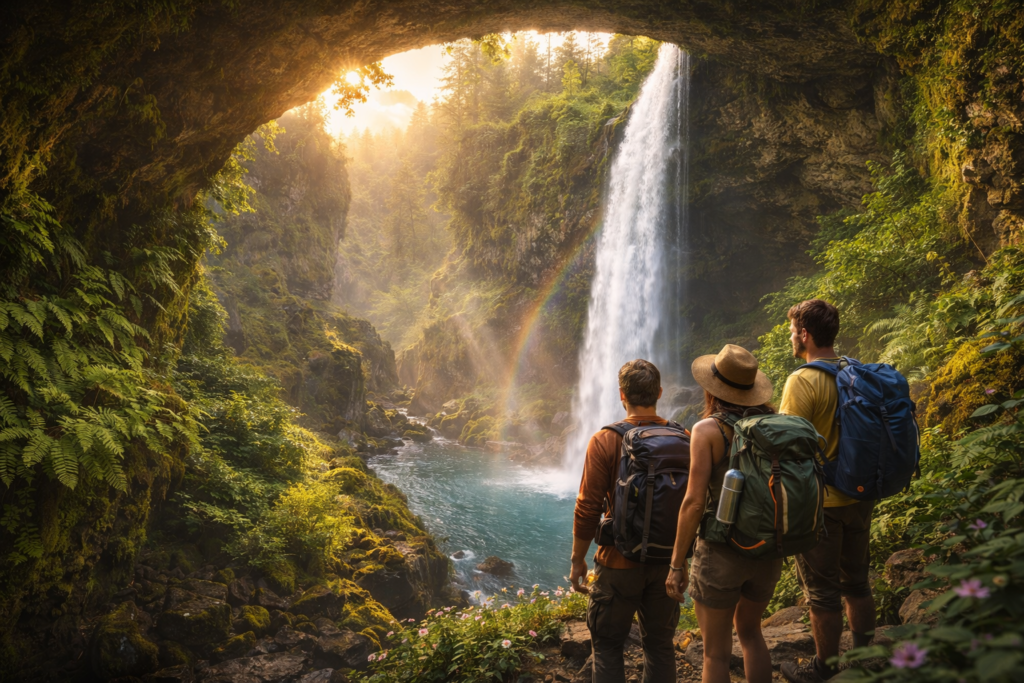
Yes, you can confidently enjoy family national park adventures with children of almost any age. Smart planning—like choosing accessible trails, packing essentials, and engaging kids with park-led activities—makes these trips safe, fun, and educational for everyone.
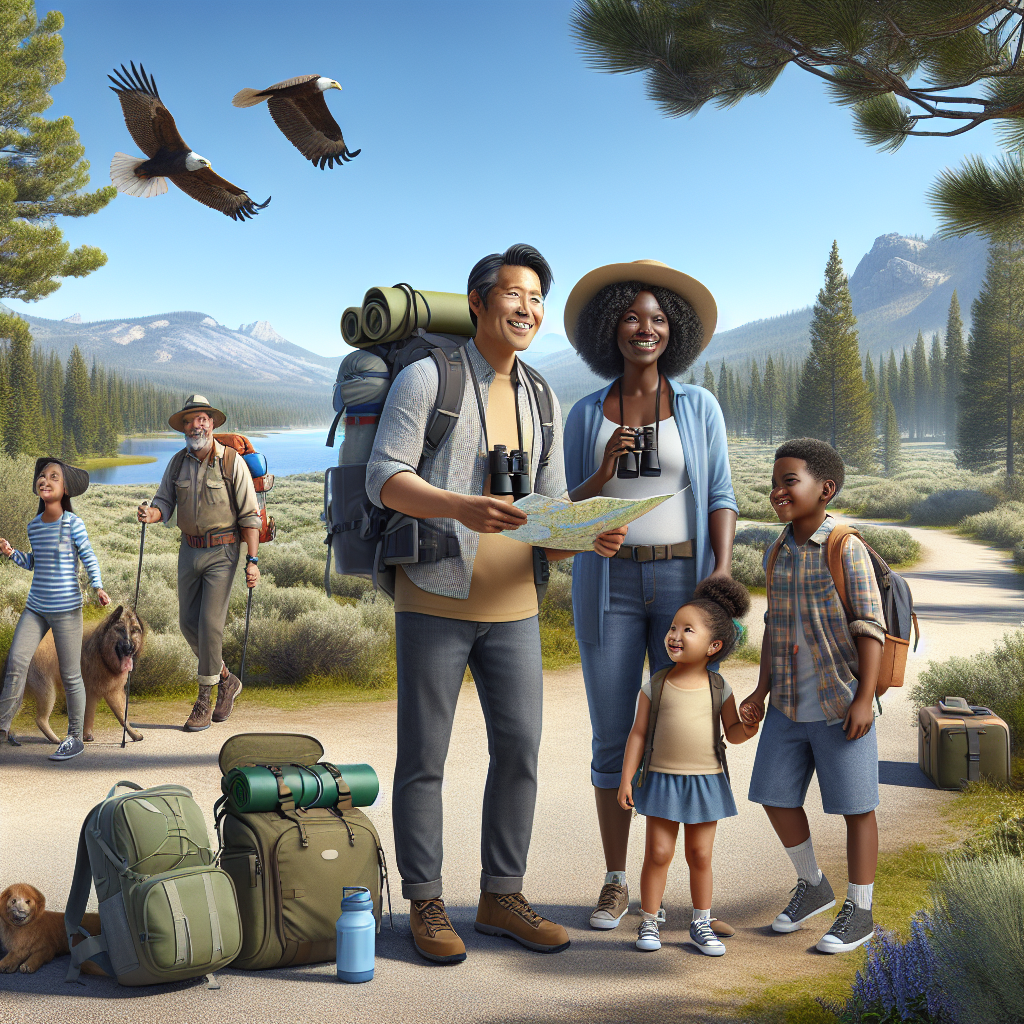
Why Choose National Parks for Family Adventures?
U.S. National Parks provide diverse opportunities for outdoor learning, exercise, and family bonding. Many parks feature accessible trails, ranger programs, and interactive activities specifically designed for families. Visiting national parks can spark curiosity, teach vital skills, and create lifelong memories.
Quick-Start Checklist for Family National Park Adventures
| Preparation Step | Details |
|---|---|
| Choose a Park | Consider travel distance, facilities, and family-friendly activities |
| Check Accessibility | Confirm accessible trails and facilities for strollers or wheelchairs |
| Pack Essentials | Bring water, snacks, extra clothing, first aid, and sun protection |
| Engage Kids | Pick up Junior Ranger books, plan games, encourage wildlife observation |
| Know Trail Options | Research and select trails with appropriate length and terrain |
| Attend Park Programs | Check schedules for ranger talks and family-friendly activities |
Choosing the Right Park and Activities
Consider your children’s ages, interests, and mobility. Parks like Mount Rainier and Glacier National Park offer accessible trails and educational programs for all ages. The Paradise area at Mount Rainier features stroller-friendly paths and Junior Ranger quests, while Glacier National Park offers interpretive walks, lodges, and ranger-led activities for families.
Top Family-Friendly National Park Ideas
- Paved or graded trails: Easy walks like the Trail of the Cedars in Glacier, or the Nisqually Vista Trail at Mount Rainier
- Junior Ranger programs and activity booklets to keep kids engaged
- Ranger-led talks and demonstrations for learning and fun
How to Prepare for Family Hikes
Preparation is key. According to the National Park Service, families should always:
- Bring plenty of water and healthy snacks
- Plan for frequent breaks in shady spots
- Wear weather-appropriate layers and sturdy footwear
- Pack a basic first aid kit
- Use sun protection, hats, and insect repellent as needed
- Teach children about Leave No Trace principles and trail safety
Engaging Your Kids During the Visit
Keeping children interested transforms a standard hike into an adventure. The NPS suggests letting kids set the pace, exploring with all senses, and giving each hike a clear goal—such as spotting wildlife or photographing flowers. Programs like nature scavenger hunts or earning Junior Ranger badges can add extra motivation and structure for younger visitors (NPS Hiking with Children).
Illustrative Example: Planning a Day at Mount Rainier
Assumptions: Family of four (2 adults, 2 children ages 7 and 11), summer visit, interested in hiking and ranger activities.
- Review family-friendly trails: Choose the Nisqually Vista Trail (1.2 miles, paved, gentle incline).
- Pack for the hike: Each person gets a reusable water bottle and healthy snacks; dad carries a small first aid kit and sunscreen.
- Arrive early: Beat crowds and secure parking in the Paradise area.
- Pick up Junior Ranger booklets: Kids can work toward earning a badge during the walk.
- Break up the hike: Pause at viewpoints for wildlife watching and photos.
- Attend a ranger talk: Join the scheduled nature program after the hike to learn more about the park’s ecology.
This methodical approach results in a fun, organized, and educational park-day for the whole family.
Comparing Park Programs and Trails
| Park | Family Trail Example | Special Programs |
|---|---|---|
| Mount Rainier | Nisqually Vista Trail, Skyline Trail to Myrtle Falls | Junior Ranger, Citizen Ranger Quests, Ranger Talks |
| Glacier National Park | Trail of the Cedars, accessible boardwalks | Junior Ranger, Lodge tours, Interpretive exhibits |
Deciding What’s Right for Your Family
When making choices, factor in your family’s stamina, interests, and any special needs. Prioritize accessible routes, flexible schedules, and backup activities in case of rain or fatigue. Some parks require advance reservations for lodging or popular activities—check the official park website for the most current details.
Limitations and Safety Considerations
- Always monitor weather conditions before and during your visit
- Some trails may close due to restoration or wildlife activity—confirm routes on the day of your trip
- Cell service is often limited; bring paper maps and orient yourself before heading out
- Supervise children near water, cliffs, or wildlife
Further Reading and Planning Tools
- National Parks with Kids: Practical Planning & Fun Tips
- How to Experience Hidden Gems in National Parks
Next step: Browse your top 2-3 park choices, download Junior Ranger activities, and create a packing list using the guide above. This approach lets your family start every national park adventure organized and ready for lasting fun!