If you live near the San Andreas Fault, prioritizing earthquake preparedness is essential. Following expert steps—like securing your home and creating emergency plans—can help protect your family and property when seismic events strike. Read on to learn how new findings shape current recommendations for San Andreas Fault preparedness and how you can take meaningful action today.
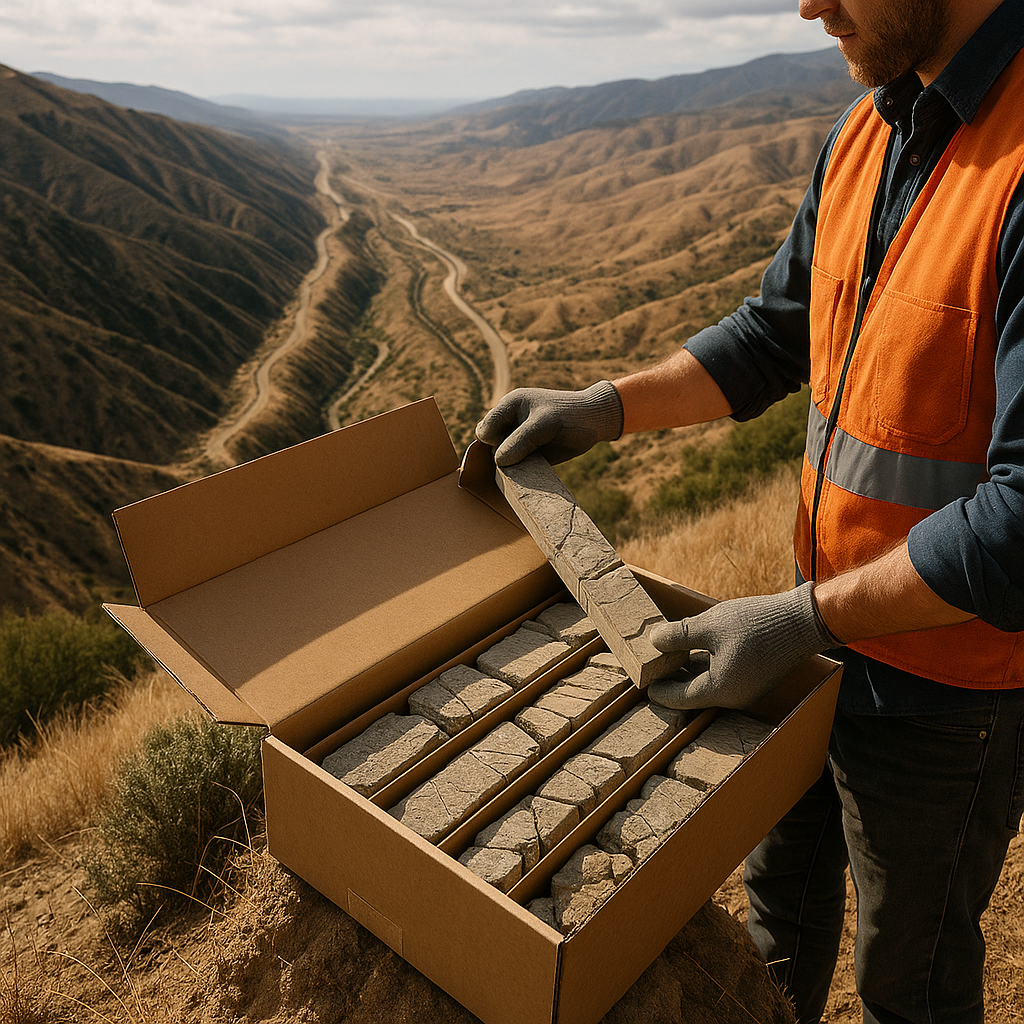
Understanding the San Andreas Fault and Associated Hazards
The San Andreas Fault is a vast, complex system extending through California, and it’s an active seismic boundary where significant earthquakes originate. The U.S. Geological Survey (USGS) highlights that the fault’s intricate structure and history increase the difficulty of predicting the timing and severity of major earthquakes. Recent studies emphasize points where stress has accumulated—such as the Cajon Pass—indicating a heightened risk for significant seismic activity, even if the exact timing remains unpredictable (USGS Fault System Complexity, USGS Stress Accumulation Study).
Practical Steps for San Andreas Fault Preparedness
Experts advise residents in earthquake-prone areas to proactively reduce injury and damage risks. The Centers for Disease Control and Prevention (CDC) recommends a multi-layered preparedness approach covering emergency planning, home safety, and essential supplies (CDC Earthquake Preparedness). Here’s how to get started:
1. Create a Family Emergency Plan
- Communication: Designate out-of-town contacts and practice alternative communication methods.
- Evacuation routes: Identify safe exits and establish meeting points outside your neighborhood.
- Personalized considerations: Account for pets, medical needs, and anyone requiring extra support.
2. Secure Your Home
- Anchor bookcases and heavy furniture to walls.
- Install latches on cabinets to prevent contents from spilling.
- Secure water heaters and appliances with straps.
- Move beds away from windows or heavy wall hangings.
3. Prepare Emergency Supply Kits
- 1 gallon of water per person per day (for 3 days min.)
- Non-perishable food
- Battery-powered or hand-crank radio
- Flashlight and extra batteries
- First aid supplies
- Medications and essential documents
- Sturdy shoes for navigating debris
4. Practice Safety Drills
- Rehearse “Drop, Cover, and Hold On” in each room.
- Review protocols with all household members.
San Andreas Fault: Specific Risks and Adaptations
Because the San Andreas Fault system is long and segmented, some areas may face different types of shaking or surface rupture. The southern sections, as highlighted in recent USGS simulation studies, have especially high accumulated stress, suggesting special vigilance in those communities (USGS Stress Accumulation Study).
- Building codes: In many regions along the fault, structures must meet strict seismic safety standards. Check your property’s compliance, especially if it was built before modern codes were enforced.
- Retrofitting older buildings: Consult with licensed contractors about seismic retrofits for homes built before the 1980s.
San Andreas Fault Preparedness Checklist
| Task | Recommended Action |
|---|---|
| Emergency Kit | Stock food, water, tools, first aid, flashlights |
| Home Safety | Secure furniture, appliances, hazardous items |
| Family Plan | Establish contacts, meeting points, drills |
| Seismic Retrofit | Consult professional for older homes |
| Insurance | Review/update earthquake coverage |
| Community Resources | Know local evacuation and emergency services |
Illustrative Example: Building a Customized Emergency Kit
Assumptions: Family of 4, 3-day emergency supply recommendation.
- Water: 1 gallon/person/day x 4 people x 3 days = 12 gallons.
- Food: At least 12 meals (per person) of non-perishables (estimate: 3 meals/day x 4 people x 3 days = 36 meals total).
- Flashlights: Minimum 2 units with extra batteries.
- First Aid Kit: One comprehensive kit per household.
- Medications: 3-day supply per member, plus copies of prescriptions.
- Radio: 1 battery-powered or hand-crank, plus batteries.
This checklist can be adapted to larger families or longer time frames as needed.
Recognizing Uncertainty and Limitations
While scientists monitor fault stress and simulate potential earthquake impacts, the precise timing and extent of future seismic events are not currently predictable (USGS Fault System Complexity). Preparedness reduces risk but cannot eliminate the hazard.
Staying Informed and Building Community Resilience
- Sign up for local emergency alerts and prepare to follow official instructions.
- Share preparedness plans with neighbors and participate in community drills.
- Regularly review and refresh your emergency kit and action plan.
By acting on these San Andreas Fault preparedness measures, you can significantly reduce your household’s vulnerability to earthquake impacts. For additional guidance tailored to your region, visit the official resources at the CDC and USGS. As a practical next step, assemble or update your emergency supply kit and discuss your plan with everyone in your household.
For additional city-specific advice, consider referencing our Chicago earthquake preparedness checklist as a supplementary resource.
Sources and further reading
- Preparing for Earthquakes | Earthquakes | CDC
- The San Andreas Fault System–Complexities along a major transform fault system and relation to earthquake hazards | U.S. Geological Survey
- Cajon Pass and the southern San Andreas Fault System: Earthquake cycle stress accumulation and present-day loading | U.S. Geological Survey