Unique cultural festivals in lesser-known US cities offer fresh, authentic experiences beyond the usual tourist circuit. This guide explains practical steps to discover and enjoy these festivals, including research methods, how to maximize your immersion, and what to consider when choosing where to go.
Why Seek Out Unique Cultural Festivals?
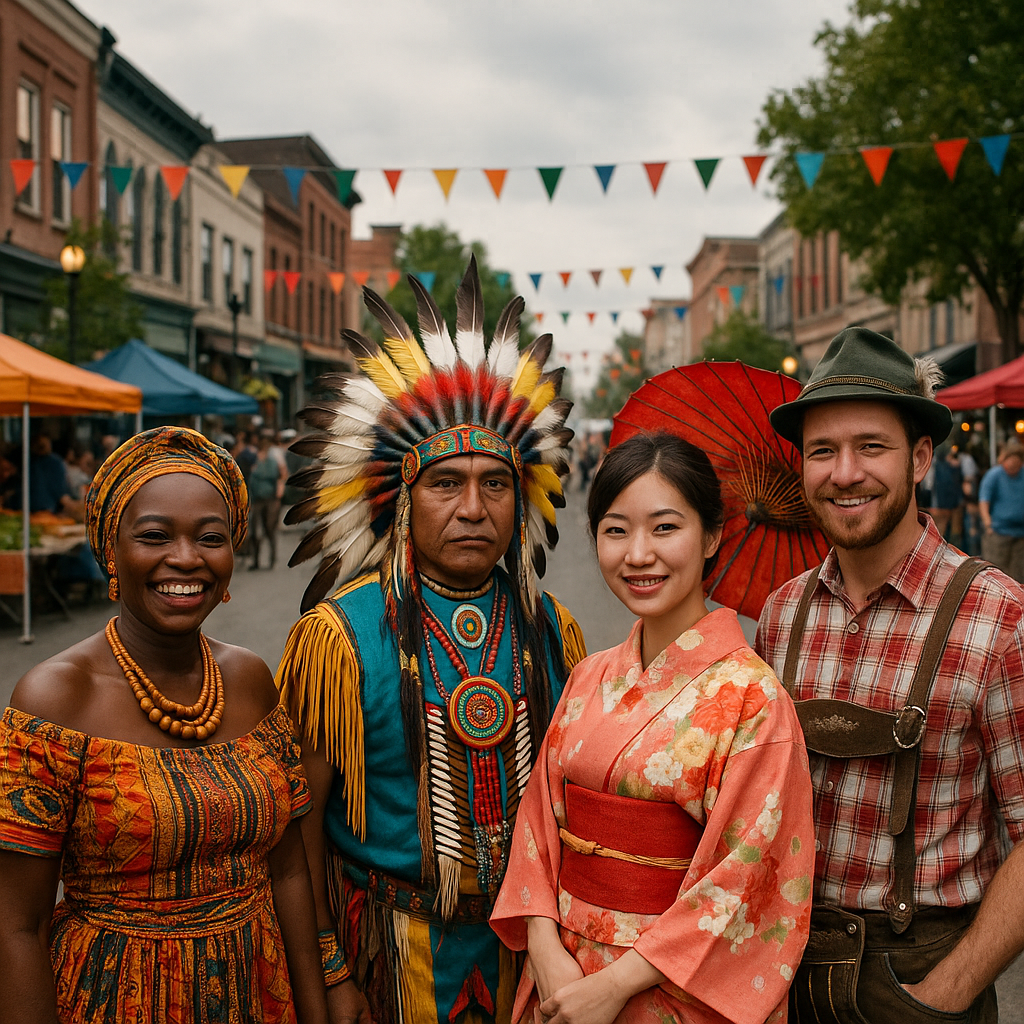
Smaller city festivals provide a chance to connect with local traditions, support communities directly, and escape the crowds. The National Endowment for the Arts reports that outdoor arts festivals, often in under-the-radar locations, enrich communities and offer diverse, genuine programming that larger cities might not replicate(Live from Your Neighborhood). Local events often cost less and feel more personal.
How to Find Unique Cultural Festivals
Finding unique cultural festivals requires a mixture of online research and local insight. Begin with national arts or cultural tourism directories; supplement those with recommendations from local tourism boards, arts councils, or even city parks programs. For example, the Washington Folk & Traditional Arts Program maintains an active calendar, providing ideas for where and when to go(WA State Parks Folk & Traditional Arts).
Table: Key Steps for Discovering Unique Festivals
| Step | Purpose | Tools/Sources |
|---|---|---|
| Define Your Interests | Focus your search on themes you care about (music, food, heritage) | Brainstorm; review past favorites |
| Research Online | Compile a list of potential festivals | Official city websites, arts councils, NEA/folk programs |
| Review Event Details | Confirm dates, activities, and location | Event calendars, direct contact, travel sites |
| Seek Local Insights | Discover hidden gems | Contact tourism offices, join forums, social media groups |
| Plan Logistics | Maximize your visit comfort and convenience | Maps, budget, accommodation platforms |
What to Consider Before Deciding
- Festival Focus: Art, heritage, music, culinary, history, or a blend?
- Community Involvement: Are locals actively engaged, or is it tourist-centric?
- Timing: Does the event fit your travel window, and is it seasonal? Many run in summer or fall; some extend year-round.
- Accessibility & Budget: Can you reach the location easily? Are costs reasonable?
- Authenticity: Does it offer genuine local culture, or is it geared toward outsiders?
Practical Steps to Plan Your Festival Experience
1. Define Your Interests and Goals
List what excites you: folk art, regional cuisine, traditional music, or workshops. This narrows your search and increases your enjoyment.
2. Conduct In-Depth Research
- Start with national databases like the NEA’s Outdoor Arts Festivals report.
- Explore local initiatives such as Cultural Byways in Central Oregon, which lists not only festivals but also museums, markets, and parades.
- Review parks calendars for folk and traditional arts events(WA State Parks Folk & Traditional Arts).
- Check social media, community newsletters, and ask in local online groups for lesser-publicized options.
3. Connect with Locals Beforehand
Reach out to event organizers, join community groups, or email tourism offices. Locals offer tips on must-see performances, where to eat, and shortcuts to authentic experiences. Many smaller festivals value visitors who engage respectfully and are excited to share their traditions.
4. Plan Travel Logistics
Secure your travel and accommodation early, especially if the city is small and local lodging fills quickly. Map out backup food and transportation options (many festivals occur in or near parks or historic downtowns). Prepare for variable weather if the event is outdoors.
5. Immerse Yourself (and Stay Flexible)
Arrive with an open mind. Attend workshops, interact with artists, and try local foods. Be ready for spontaneous parades or pop-up performances. Active participation leads to a richer experience, as shown in NEA studies where attendees reported stronger engagement at smaller, interactive festivals(Live from Your Neighborhood).
Illustrative Example: Planning a Festival Trip
Assumptions: You love folk music, want a June festival in the Pacific Northwest, and prefer towns with fewer than 50,000 residents.
- You identify the Yakima Folklife Festival (in Yakima, WA) via the Folk & Traditional Arts Program calendar(WA State Parks Folk & Traditional Arts).
- You email the festival organizer and join a local Facebook group. Locals recommend booking a centrally-located hotel and highlight a lesser-known jam session for visitors.
- You book your trip, prepare an itinerary with both the main stage and offbeat events, and pack layered clothing for the outdoor performances.
- During the festival, you participate in a traditional craft workshop and try a dish unique to the Yakima Valley.
Checklist: What to Pack and Prepare
- Portable snacks and reusable water bottle
- Weather-appropriate clothing and comfortable shoes
- Cash (for vendors; small events may not accept cards)
- Notebook or camera for capturing experiences
- Contact numbers for event organizers or tourism staff
- Local event schedules and maps (download in advance)
Tips to Maximize Your Experience
- Balance your schedule: leave room for unplanned discoveries.
- Respect local customs and follow event guidelines.
- Support local artisans and performers by purchasing handmade goods.
- Be an active participant—join in dances, try workshops, ask questions.
- Stay connected with people you meet for future festival tips.
Limitations, Uncertainties, and Final Thoughts
Some festivals are localized or under-funded, so details can change at short notice. Not every city or festival will have extensive online information. When in doubt, contact organizers or local cultural offices. Consider regional limitations—what works for a Pacific Northwest folk festival may not apply to a Gulf Coast culinary event.
Next Step: Choose Your Focus and Start Researching
Decide your preferred festival theme and region, then use arts council and local tourism sources to build your trip. Remember: flexibility and curiosity will lead you to the most memorable experiences.
- For more inspiration, see our guides to unique cultural festivals nationwide and mastering cultural etiquette when traveling.
Sources and further reading
- Live from Your Neighborhood: A National Study of Outdoor Arts Festivals, Vol 1: Summary Report | National Endowment for the Arts
- Folk & Traditional Arts Program | Washington State Parks
- Cultural Byways | Deschutes Cultural Coalition
Related guide: Experience Local Culture at USA Food Festivals.