Successful family travel hinges on mastering family dynamics during travel—knowing how to anticipate emotions, tailor plans to your family’s makeup, and foster positive experiences. To help you navigate challenges and boost family bonding on your next trip, this guide presents clear, research-based steps and a practical checklist.
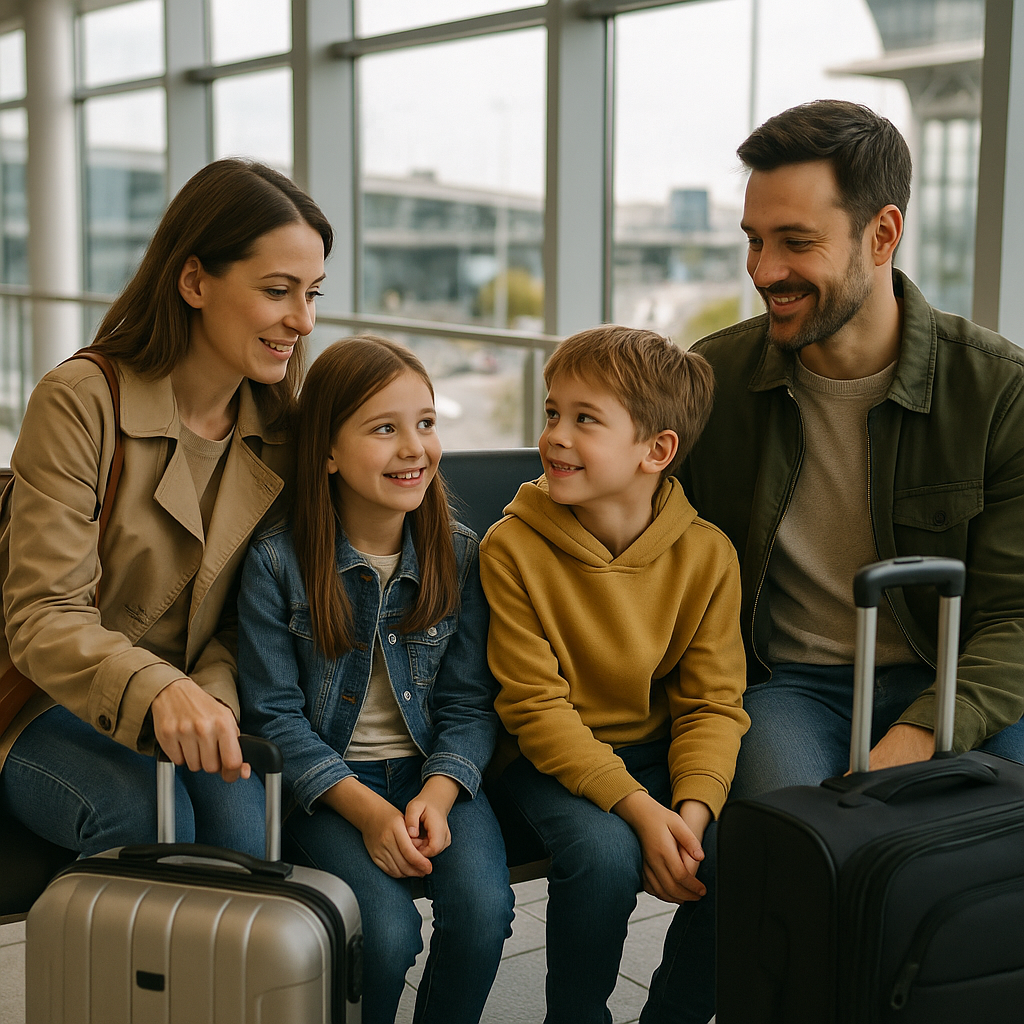
Understanding Family Dynamics During Travel
Every family brings unique personalities, habits, and expectations into a travel setting. Research shows that these dynamics intensify as families face new environments and routines. While most family trips include both highs and lows, positive emotions such as joy and excitement are predominant when travel is well-planned and communication is strong (Yang et al., 2025).
Key Influences on Family Dynamics
- Family Structure: The size and makeup of your family—parents, children of different ages, or extended relatives—affect everyone’s needs and travel styles (Yankholmes et al., 2021).
- Children’s Presence: Having children with you changes the pace, destinations, and daily routines of travel. The study of Western migrant families even tracked six different travel behavior types depending on whether children were involved.
- Emotional Expectations: Both collective excitement and individual anxieties play a role. Recognizing emotions and planning for group decision-making can support a smoother trip (Yang et al., 2025).
Practical Steps to Improve Family Dynamics During Travel
Whatever your destination, concrete planning and open communication can transform the travel experience. Here are evidence-based actions you can take:
1. Discuss Expectations in Advance
- Hold a pre-trip meeting where every family member shares what they hope for and what they are anxious about.
- Let everyone, including children, suggest one activity or stop.
- Set travel goals, such as “relax together”, “try a new sport”, or “visit a museum.”
2. Match Activities to Family Members’ Needs
- Account for child-friendly options, downtime, and quiet spaces.
- Balance group time with individual preferences, using the survey findings that families come in all sizes and backgrounds (US Family Travel Survey, 2018).
- Acknowledge that not everyone needs to do everything together.
3. Foster Communication and Problem-Solving
- Encourage regular check-ins—ask “What’s working for you?” or “What would you change?”
- Model flexibility for children by adapting plans when needed.
- Address conflicts early; let each person voice their perspective without interruption.
4. Build in Time for Bonding
- Choose at least one daily shared activity, like a family meal or nature walk.
- Celebrate small successes together (“We all tried snorkeling!”).
Checklist: Mastering Family Dynamics During Travel
| Action | When to Use | Who is Involved |
|---|---|---|
| Pre-trip expectations meeting | Before departure | All family members |
| Personalized activity planning | Trip planning phase | Adults and children |
| Daily group check-in | Every evening or morning | All family members |
| Flexibility for solo/free time | During travel | Anyone needing downtime |
| Conflict-resolution discussion | When disagreements arise | Directly involved members, facilitated by an adult |
Illustrative Example: Planning for a Multigenerational Family Beach Trip
Assumptions: The family includes two parents, two children (ages 7 and 11), and two grandparents. They plan a five-day trip to a beach site.
- Step 1: Pre-trip Meeting – Everyone names one activity: kids choose sand castles and a water park; parents want a seafood dinner; grandparents prefer morning walks. The group agrees on these as daily highlights.
- Step 2: Personal Time – Parents plan one afternoon for the kids at a supervised play club, giving adults two hours for relaxation.
- Step 3: Group Check-ins – Each morning, the family reviews the day’s plans and checks in about how they’re feeling.
- Step 4: Handling a Conflict – On day three, one child dislikes the water park. The family discusses this, agrees to swap an hour of play for a board game with grandparents.
This approach keeps everyone involved, schedules balanced, and tensions addressed promptly—applying evidence-based practices for positive family dynamics (Yang et al., 2025).
Factors Distinguishing Every Trip
- Family Type and Travel Purpose: Different structures (single parent, blended, nuclear, extended) and reasons for travel (vacation, visiting relatives, relocation) change what works best (US Family Travel Survey, 2018).
- Cultural Context: Expectations and routines can differ widely; what works for one group may not apply elsewhere (Yankholmes et al., 2021).
Limitations and Adaptation
Studies referenced here use surveys and interviews that may not reflect every family’s situation and can be limited by culture, sample size, or travel context. The strategies above should be used as adaptable guidelines. Give yourself flexibility to adjust your approach if something does not go as planned.
Further Reading
- Understanding Family Dynamics During Travel
- Emotionally Intelligent Family Travel Strategies
- Family Communication in the Digital Age
Next step: Before your next trip, schedule a 30-minute family meeting using the checklist above. Let every voice be heard—your planning will lead to smoother travel and stronger family bonds.