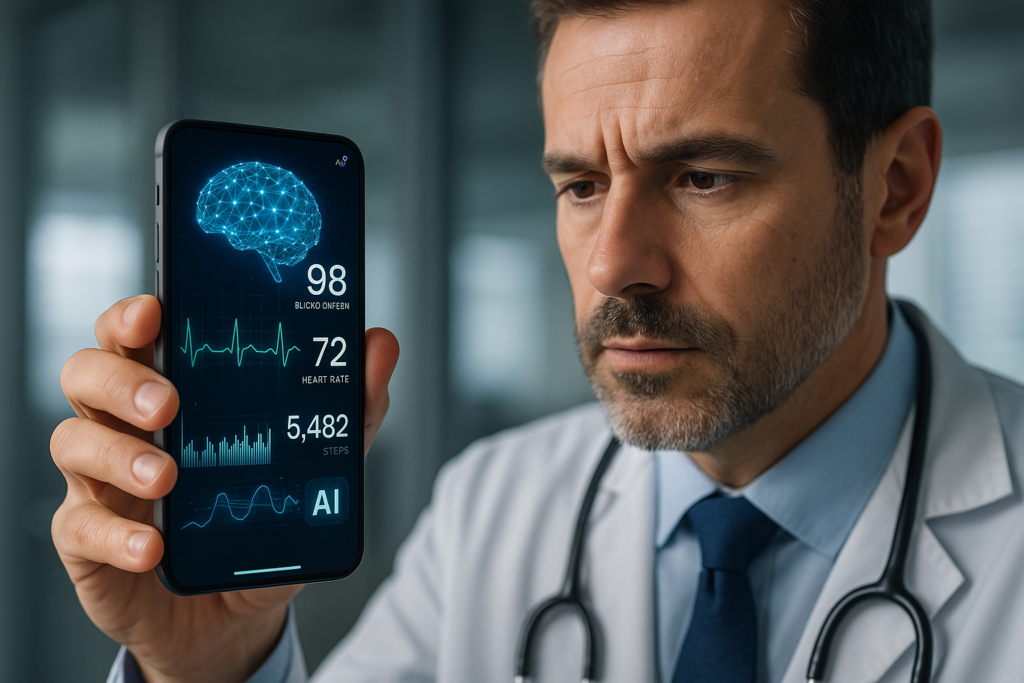
AI health monitoring is transforming patient care by enabling real-time insights, continuous vital sign tracking, and personalized health support. To unlock the true potential of AI health monitoring, focus on regulatory requirements, operational setup, and transparency to ensure safe and effective integration.
Understanding AI Health Monitoring
AI health monitoring refers to systems and medical devices that use artificial intelligence to continuously analyze health data, such as heart rate, blood pressure, or oxygen levels. These systems can alert clinicians of deterioration, support patient management, and optimize hospital workflows. Common uses include wearable sensors, smart monitors, and predictive analytics platforms.
Key Regulatory Considerations
The FDA and other global regulators require that AI-enabled medical devices meet strict safety, effectiveness, and transparency standards. The FDA’s risk-based approach evaluates the device’s intended use and technology. Developers and health systems must ensure their solutions comply with regulations at every stage of deployment.
- Intended Use: Devices used for diagnosis, therapy, or continuous monitoring have different risk profiles and regulatory requirements.
- Technological Characteristics: The learning capability of the device—whether it adapts (locked vs. adaptive algorithms)—affects regulatory review. FDA AI-enabled devices overview
Foundational Regulatory Steps
- Classify the device based on risk and intended use.
- Demonstrate safety and effectiveness through robust clinical validation.
- Provide clear labeling, usage instructions, and transparency about how the AI makes decisions.Guiding principles
Ten Guiding Principles for Safe AI Health Monitoring
Health Canada, the FDA, and the UK’s MHRA outline ten guiding principles for machine learning-enabled medical devices, known as Good Machine Learning Practice (GMLP):
- Implement multidisciplinary expertise throughout the device lifecycle.
- Employ good software engineering and security practices.
- Clearly define and control clinical risks.
- Use representative datasets in training and validation.
- Ensure transparency for users about device function and limitations.
- Design to mitigate bias across patient populations.
- Monitor device performance via real-world data.
- Enable users to trust outputs (explainability of AI decisions).
- Maintain human oversight in clinical decision-making.
- Plan for iterative updates, making sure the device remains safe and effective.Transparency principles
Best Practice Checklist for AI Health Monitoring Integration
| Step | Recommended Actions |
|---|---|
| 1. Define Clinical Use Case | Identify workflow, target patients, and outcome goals. |
| 2. Regulatory Assessment | Classify the device, confirm FDA or local approvals, review labeling. |
| 3. Data Integration | Ensure interoperability with EHR and hospital systems. |
| 4. Implementation Strategy | Plan pilot, staff training, and phased rollout. |
| 5. Monitor Performance | Track patient safety, clinical impact, and user feedback in real-world settings. |
| 6. Maintain Transparency | Keep users informed about device function and known limitations. |
Operational Strategies: Hospital Deployment Insights
A large-scale example comes from the deployment of wireless continuous vital sign monitoring across an eight-hospital system. This initiative provides lessons on integrating AI-driven monitoring in complex healthcare environments:
- Utilize tiered telemetry to match patient risk with monitoring intensity.
- Engage clinical champions to facilitate adoption and resolve workflow issues.
- Implement staff education to ensure correct interpretation of AI alerts.
- Continuously evaluate operational outcomes and adjust protocols as needed.
For deeper operational insights, the hospital system implementation report describes both challenges and best practices, such as customizing alert thresholds and integrating with electronic records.
Illustrative Example: Practical Integration Decision
Situation: A mid-sized hospital wants to adopt wireless AI-based monitoring for at-risk patients. The team evaluates the following:
- Intended use: Early warning system for cardiac events on the general ward.
- Device class: Classifies as moderate risk; FDA-cleared device selected.
- Integration: Device connects to EHR; alerts routed to central monitoring desk.
- Staff training: One week of hands-on simulation and clear protocols provided.
- Performance monitoring: Monthly review of alert accuracy and patient outcomes.
The team follows checklist steps to verify regulatory compliance, ensure thorough training, maintain transparent communications, and monitor results for further improvement at each stage. No assumptions are made about outcome improvement until reviewed in the real-world setting.
Practical Limitations and Next Steps
Despite advances, AI health monitoring depends on high-quality data, clear regulatory pathways, clinician engagement, and periodic reassessment. Poor device selection, lack of transparency, or insufficient staff training can undermine safety and effectiveness. To minimize risk:
- Partner with vendors whose devices follow regulatory best practices.
- Engage clinical and IT stakeholders from the start.
- Continuously educate users and address feedback.
To unlock AI health monitoring for your institution, define a clear clinical goal, select regulated technology, and follow good machine learning practice. Stay informed on the latest FDA-approved solutions and operational blueprints to guide a safe rollout that enhances patient care.