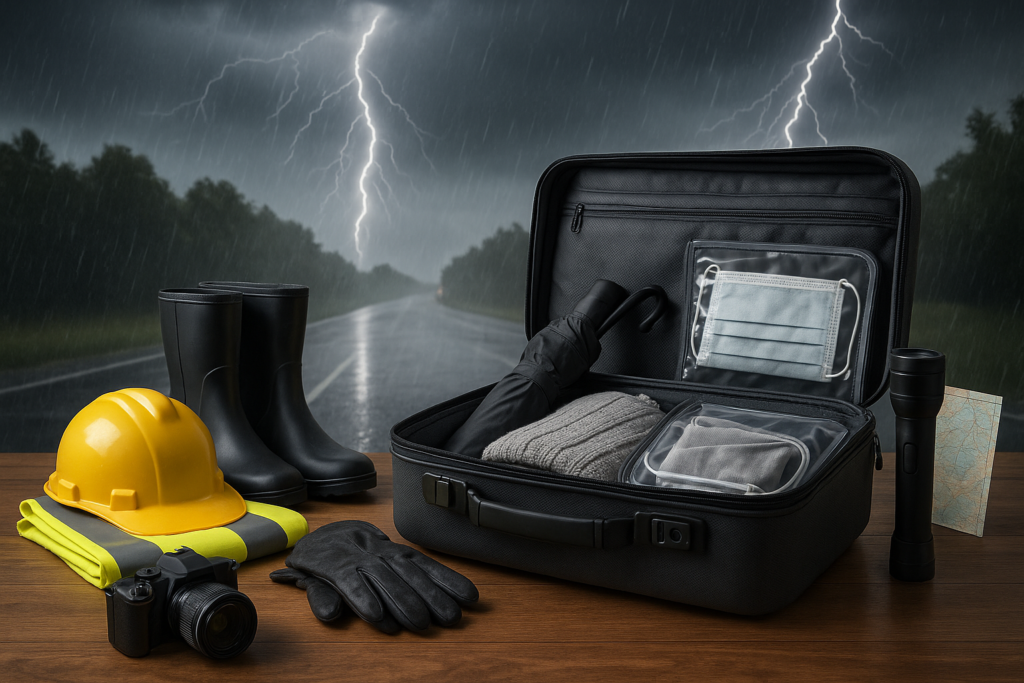
Before you travel during stormy seasons, severe weather travel preparations are vital to keep yourself, your companions, and your plans safe. Following specific guidelines can help you avoid hazards, stay informed, and respond effectively if conditions worsen.

Why Severe Weather Travel Preparations Matter
Severe weather—like tornadoes, floods, hurricanes, and thunderstorms—can quickly disrupt travel plans by road or air. Being unprepared increases your risk of injury, costly delays, or dangerous situations. Understanding key steps before and during your trip provides safety and peace of mind. According to the National Weather Service (NWS), planning ahead makes travelers less vulnerable to the risks posed by rapidly changing weather conditions.
Pre-Trip Steps for Severe Weather Safety
Effective preparation starts before you leave:
- Review Weather Forecasts: Use reliable sources such as the NWS or local authorities for up-to-date forecasts along your planned route.
- Build an Emergency Kit: Pack basics: water, snacks, first aid supplies, flashlight, batteries, phone charger, blankets, and any needed medications.
- Download Alert Apps: Install weather alert apps from official weather services to receive real-time notifications for your location.
- Check Travel Restrictions: Before departing, confirm road closures or airport updates, as hazards may lead to sudden restrictions or delays (CDC guidance).
- Plan Alternatives: Map out alternate routes or destinations in case the primary plan becomes unsafe or impassable.
Severe Weather Decisions: Road Travel
If you’re already on the road when severe weather strikes, take these actions:
- Seek Shelter: If you spot a tornado or hear warnings, do not stay in a vehicle or mobile home. Move to a sturdy building immediately. If none are available, a low-lying ditch away from vehicles may offer some protection (NWS guidance).
- Avoid Floodwaters: Do not attempt to drive through flooded areas, even if water looks shallow. Just a few inches of moving water can carry away vehicles.
- Monitor Alerts: Keep local radio or alert apps on for updates.
- Stop Safely: If visibility drops, pull off the road completely, turn on hazard lights, and stay inside until it’s safe to continue.
Severe Weather Decisions: Air Travel
Flights may be rescheduled or canceled due to storms, hurricanes, or other natural disasters.
- Check Status Frequently: Confirm your flight status with your airline before leaving for the airport and monitor for last-minute changes (FAA advice).
- Be Aware of TFRs and NOTAMs: Temporary Flight Restrictions or Notices to Airmen may close airspace or impact schedules during natural disasters.
- Pack Essentials in Carry-On: In case you get delayed, keep necessary medications, chargers, and snacks in your carry-on.
- Prepare for Extended Waits: Severe weather can cause long delays, so stay informed and be ready with backup plans for accommodation.
Checklist: Severe Weather Travel Preparations
| Preparation Step | Completed? |
|---|---|
| Check multi-day weather outlook | □ |
| Pack emergency supplies and medications | □ |
| Update weather alert apps | □ |
| Review evacuation routes | □ |
| Share itinerary with trusted contact | □ |
| Charge all mobile devices | □ |
| Monitor official advisories | □ |
What to Do if Caught in Severe Weather
- Follow Evacuation Instructions: If authorities order evacuation, do so promptly. Don’t ignore official warnings as conditions can escalate quickly (CDC).
- Avoid Hazards After Storms: Downed power lines, debris, and flooded roads may be dangerous. Wait for clearances before re-entering impacted areas.
- Stay Connected: Use text messages or social media to check in with family, since cellular networks can be overloaded.
- Report Hazards: Notify authorities about hazards such as blocked roads or downed lines for prompt response.
Illustrative example: Testing Your Severe Weather Readiness
Assumptions: You’re leaving for a cross-state road trip in spring, when thunderstorms are expected along the route. You want to assess your travel readiness.
- You check the five-day forecast via the NWS and note possible severe storms in your destination area.
- You pack an emergency kit including three days’ worth of medicine and extra batteries.
- You download and configure weather alert apps, enabling geolocation-based warnings.
- You plan alternative routes to avoid identified flood-prone areas.
- You notify a relative of your planned route and timing.
- You charge your devices the evening before departure.
By following the checklist, you confirm each step is complete and are equipped to respond if the weather deteriorates or travel advisories change.
Further Information on Travel Restrictions
If you need additional guidance on route selection and navigating dynamic travel restrictions, consider reviewing Navigating Travel Restrictions for Road Trips for more step-by-step advice.
Conclusion: Next Steps for Safe Travel
Regularly review authoritative weather updates, keep your emergency kit current, and practice your severe weather travel preparations checklist. Use official guidance for both road and air travel, from preparation to post-disaster safety. Next, review your specific itinerary for forecasted risks and finalize your kit to ensure a safer journey even if severe weather arises.