
Seasonal family traditions provide a practical way to cultivate lasting family bonds. By purposefully creating rituals that are revisited year after year, families can reinforce a sense of identity, belonging, and shared memory. This guide shows how to establish or refresh seasonal family traditions that fit your family’s style, helping you connect across generations and enjoy special occasions together.
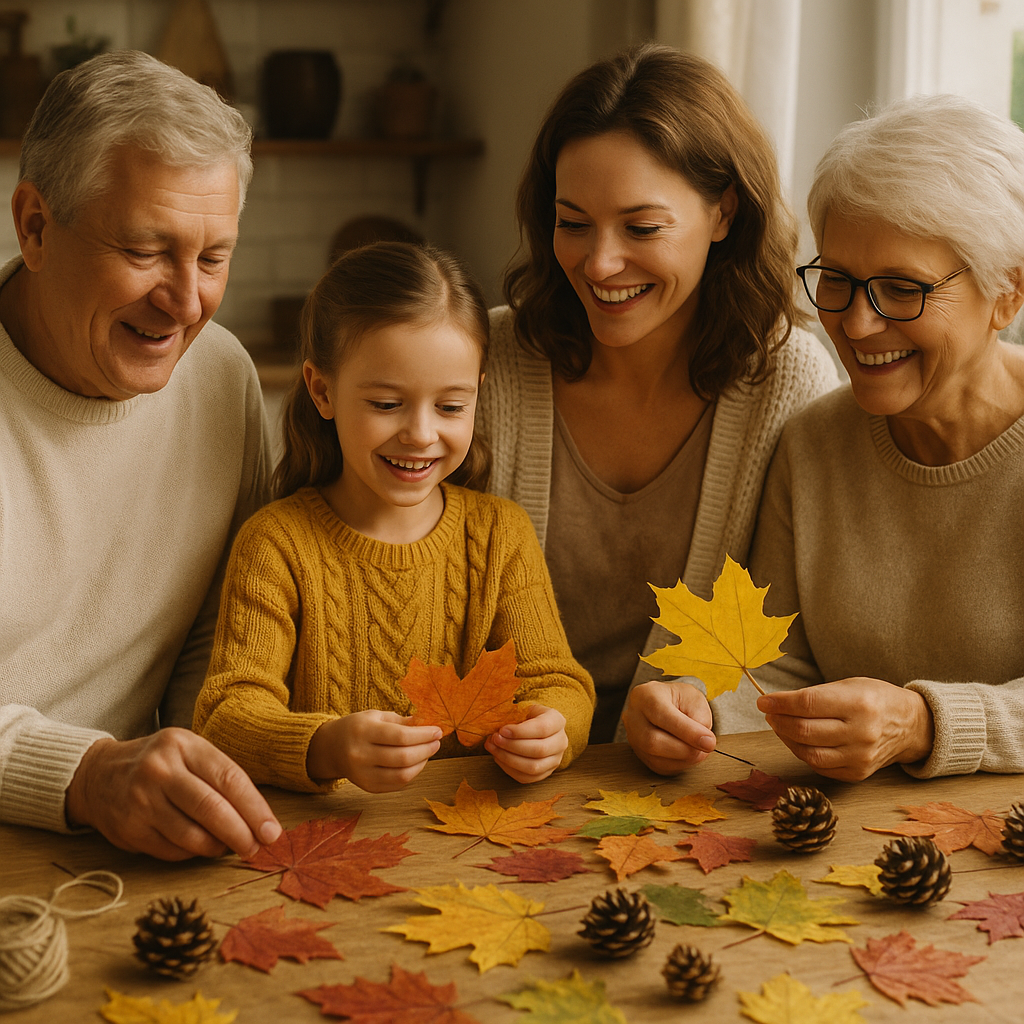
Why Seasonal Family Traditions Matter
Participating in seasonal rituals gives families continuity, a sense of history, and opportunities to negotiate what matters most to them. Actively choosing or adapting traditions helps families mark time, create vivid shared memories, and reinforce bonds across generations (Mason & Muir, 2013).
The Social Role of Shared Traditions
Engaging in seasonal traditions—whether home-based or through community festivals—encourages what researchers call ‘thick sociality’ within families. This means creating strong ‘we-relationships’ that boost family quality of life and satisfaction over time (Jepson et al., 2019).
Leisure Activities as Family Bonding
Shared leisure is strongly associated with better family interaction and satisfaction. Activities don’t need to be elaborate; the emphasis is on co-participation and regularity, making ordinary moments memorable and reinforcing a sense of security and belonging (Orthner & Mancini, 1990).
How To Start or Strengthen Seasonal Family Traditions
Follow these steps to develop meaningful seasonal family rituals:
- Identify meaningful seasons and events: Consider which parts of the year feel important—holidays, harvests, school milestones, or the changing weather.
- Include all voices: Invite input from every family member. Let children and elders suggest new ideas or share cherished memories.
- Start small and build: Focus on one or two manageable rituals to begin with. Consistency matters more than extravagance.
- Adapt and personalize: Traditions should reflect your family’s values, interests, logistics, and cultures.
- Share responsibility: Assign roles or tasks to different members so everyone is actively engaged.
- Capture and revisit memories: Take photos, make a scrapbook, or share stories about past celebrations.
Checklist: Creating Your Family’s Seasonal Tradition
| Step | Details |
|---|---|
| 1. Pick a Season or Event | Choose a time that matters to your family (e.g., first snowfall, spring planting, birthday months). |
| 2. Brainstorm Activities | Gather everyone’s input—think about food, crafts, games, outings, or community festivals. |
| 3. Decide on Frequency | Will you repeat this yearly, monthly, or on unique occasions? |
| 4. Assign Roles | Spread tasks like decorating, cooking, or leading a song. |
| 5. Make it Yours | Add personal or cultural touches: special foods, music, keepsakes. |
| 6. Reflect and Adjust | Afterward, ask what worked and tweak for next time. |
Adapting Traditions Over Time
As families grow, change, or blend, traditions can evolve. It’s normal to negotiate, combine, or retire old rituals. This ongoing process can be part of what strengthens your family story (Mason & Muir, 2013).
- Be flexible: Adjust for new family members, homes, or capacities.
- Respect differences: Encourage open discussion about what matters most to each person.
- Celebrate family creativity: Sometimes, inventing a brand new ritual can energize your family’s sense of togetherness.
Illustrative Example: Creating a Winter Tradition
Assumption: A family of four wants to create a new tradition for the first weekend after the winter solstice.
- They choose “Winter Lantern Making” as their seasonal activity.
- All family members brainstorm what materials to use: glass jars, tissue paper, and battery lights.
- They agree to do this the same weekend every year and invite a grandparent to join via video call.
- Tasks are assigned: one gathers materials, another prepares the table, others handle crafting and music.
- They add a cultural twist by sharing a winter legend from their heritage.
- Afterward, they reflect: everyone enjoyed it except the youngest, who wanted brighter colors—so next year, they plan to expand the color palette.
Exploring Public Traditions and Festivals
Local community events—festivals, parades, and fairs—can offer ready-made traditions to participate in as a family. Attending these events together helps extend the sense of belonging beyond the home, strengthens bonds, and makes collective memories (Jepson et al., 2019).
- Research local seasonal events and pick one to attend as a family tradition.
- Discuss everyone’s favorite moments afterward to cement shared memories.
Recommended Next Steps
To deepen your seasonal family traditions, start by picking one new or revisited ritual this season. Reinforce its meaning by involving everyone and sharing memories. For more practical ideas on refreshing old traditions or adapting them to digital spaces, explore our guides to revamping family traditions and creating digital family traditions.
Sources and further reading
- Conjuring up Traditions: Atmospheres, Eras and Family Christmases – Jennifer Mason, Stewart Muir, 2013
- Making positive family memories together and improving quality-of-life through thick sociality and bonding at local community festivals and events – ScienceDirect
- Leisure Impacts on Family Interaction and Cohesion: Journal of Leisure Research: Vol 22, No 2


Pingback: Reinforcing Family Traditions for Busy Lifestyles
Pingback: Rekindling Family Ties: Navigating Traditions Today