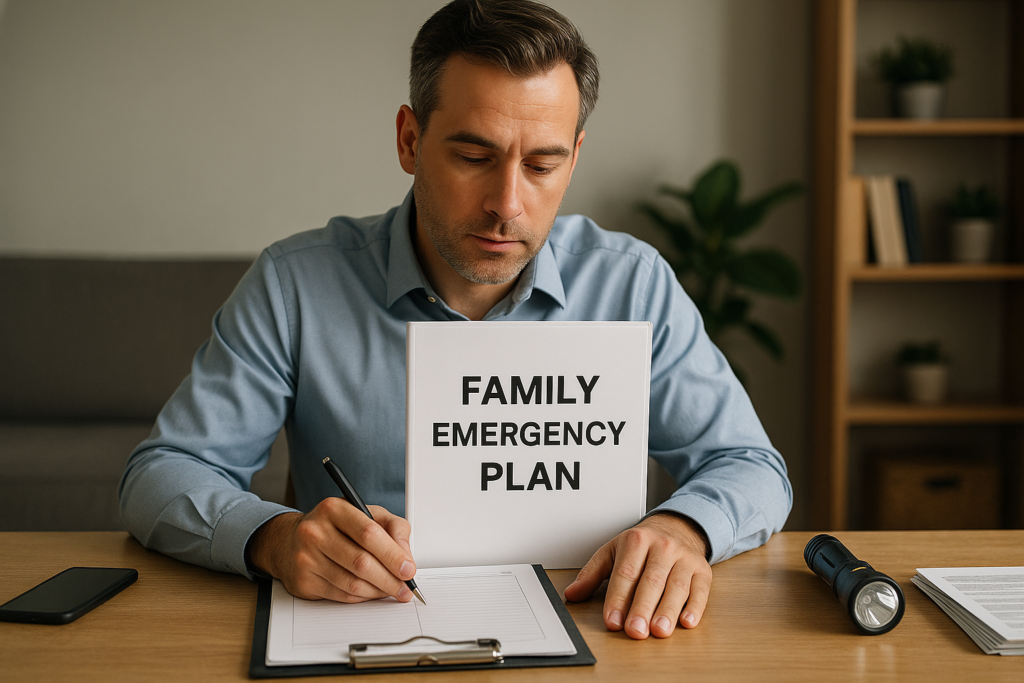
Every household should have a family emergency plan in place to stay safe and connected during unexpected disasters. A well-prepared plan outlines communication, safe meeting spots, and essential supplies, helping reduce confusion and maintain safety. Here’s how to create and use your own family emergency plan step by step.
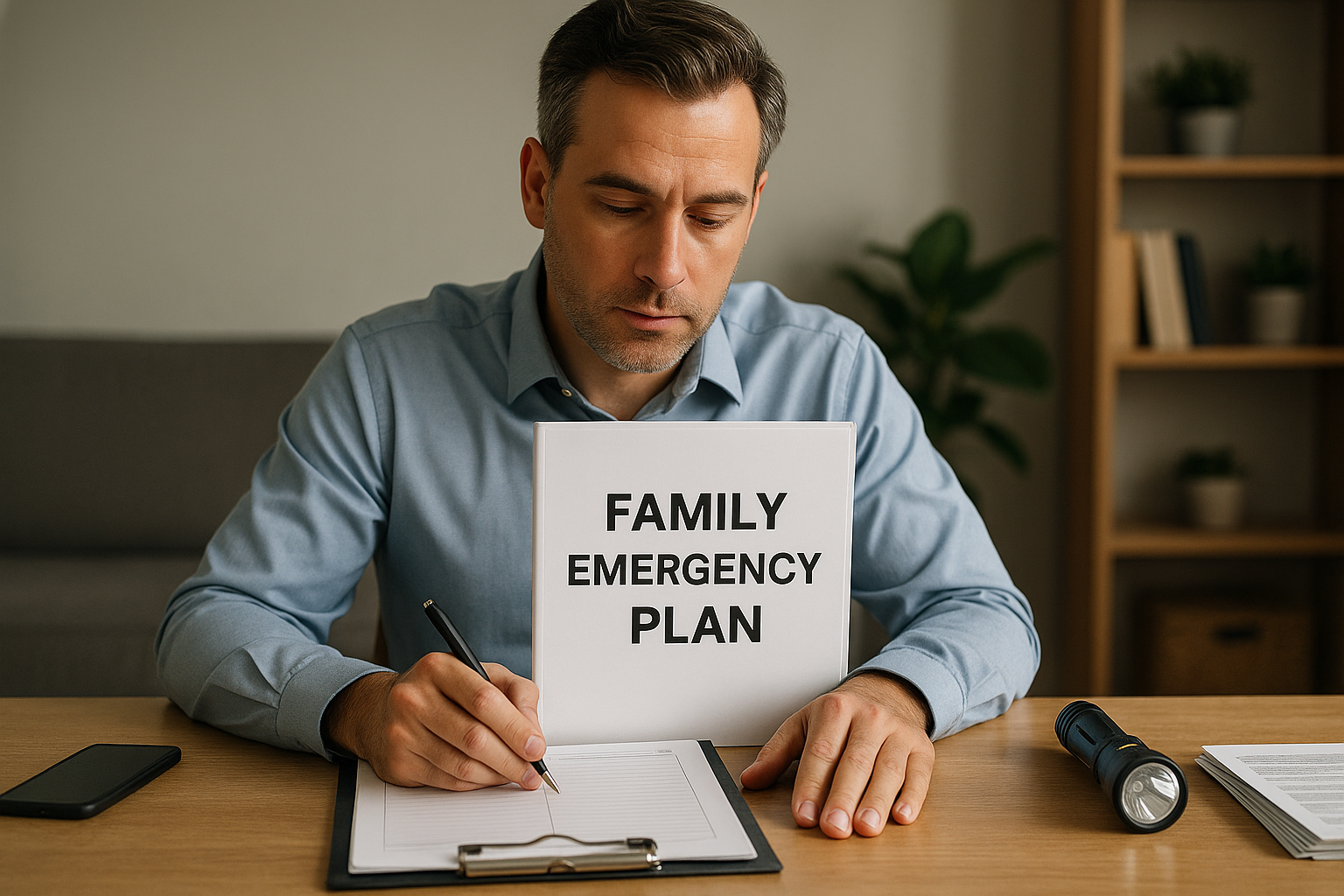
Why You Need a Family Emergency Plan
Natural disasters and emergencies, such as severe storms, fires, or power outages, often happen with little warning. Without preparation, confusion and panic can make a difficult situation worse. A thoughtful family emergency plan provides a clear roadmap, helping everyone know what to do and where to go when every second counts. Organizations such as Ready.gov and the Massachusetts Emergency Management Agency recommend creating and reviewing these plans regularly.
Key Steps to Building Your Family Emergency Plan
1. Gather Essential Information
- Household contacts: List cell and landline numbers for each member.
- Emergency contacts: Include at least one out-of-town friend or family member.
- Important addresses: Workplaces, schools, daycare, and healthcare providers.
- Medical information: Medications, health needs, and allergies.
2. Choose Meeting Locations
Pick two places to meet if you can’t return home or are separated:
- Near your home: A neighbor’s house or local landmark for immediate emergencies.
- Outside your neighborhood: A library or community center if the area is unsafe.
Write these locations clearly in your plan so every family member knows where to go. Ready.gov outlines the importance of multiple meeting spots.
3. Develop Your Communication Strategy
- Assign a primary out-of-town contact: Everyone should know how to reach this person.
- Choose a preferred contact method: Text messages are often more reliable when phone lines are busy.
- Make a wallet card: Each member should carry a small card with emergency numbers and meeting spots.
Family communication methods should be clear, simple, and redundant whenever possible. Adapt your approach if any member has special communication needs.
4. Plan for Evacuation and Staying Put
You may need to leave home or stay in place:
- Evacuation: Know multiple exit routes from your area.
- Shelter-in-place: Identify a safe area in your home (such as a basement or interior room).
Your plan should also account for pets, elderly relatives, or anyone with unique mobility needs. The Massachusetts Emergency Management Agency emphasizes special planning for each situation.
Assemble an Emergency Kit
Every plan should include a ready-to-use emergency kit with enough necessities for at least 72 hours. The CDC Family Emergency Kit Checklist suggests:
- Water (one gallon per person per day)
- Non-perishable food
- First aid supplies
- Medications and important documents
- Flashlights, batteries, and a radio
- Personal hygiene items
- Blankets and clothing
- Cash and copies of key documents
Store these items in an easily accessible spot and review supplies every year to ensure nothing is expired or missing.
Family Emergency Plan Checklist
| Step | Details | Completed? |
|---|---|---|
| Contact List | All emergency numbers updated | [ ] |
| Meeting Points | Two safe locations chosen | [ ] |
| Communication Plan | Primary method and backup chosen | [ ] |
| Evacuation Routes | Primary and alternate routes noted | [ ] |
| Emergency Kit | Supplies packed and accessible | [ ] |
| Special Needs | Pets and special care considered | [ ] |
| Plan Review | Update and practice regularly | [ ] |
Illustrative Example: Creating a Family Emergency Plan
Assumptions: Family of four (two adults, two children), two pets, and one relative with a medical condition. They live in a suburban neighborhood at risk for severe storms.
- They gather all vital contacts, including an aunt who lives in another state.
- Select a neighbor’s house as the nearby meeting point and the local library as an out-of-neighborhood spot.
- Designate texting as the main contact method and print wallet cards for everyone.
- Identify their basement as a safe shelter-in-place area and map two evacuation routes by car and foot.
- Pack an emergency kit with water, canned food, medications for the relative, pet food, flashlights, and critical documents.
- Review the plan and practice a family drill twice a year.
This step-by-step approach ensures everyone knows what to do before, during, and after a disaster, with adjustments for pets and medical needs based on advice from Ready.gov and Massachusetts Emergency Management Agency.
Review and Practice Your Plan Regularly
Emergency plans aren’t static: review and update yours at least once a year, or whenever there are major changes—like a new address or family member. Run practice drills to make sure each member, including children, knows their role and locations. Replace expired items in your emergency kit as needed. Adapting your plan over time ensures continued safety and reliability.
Next Steps
Start by collecting household details and scheduling a family meeting to discuss your emergency plan. Use the checklist above and consult trusted guides like Ready.gov for more templates. For broader preparation tips, review Family Emergency Preparedness: A Step-by-Step Safety Guide. Taking these steps now is the best way to protect your loved ones before a disaster strikes.