If you want a clear answer to why Jordan Hawkins is generating top-tier buzz as the next big thing in basketball, focus on his college success, evolving pro stats, and the decision criteria outlined here. This guide shows you concrete ways to objectively evaluate Hawkins’ skills and potential, moving beyond the hype.
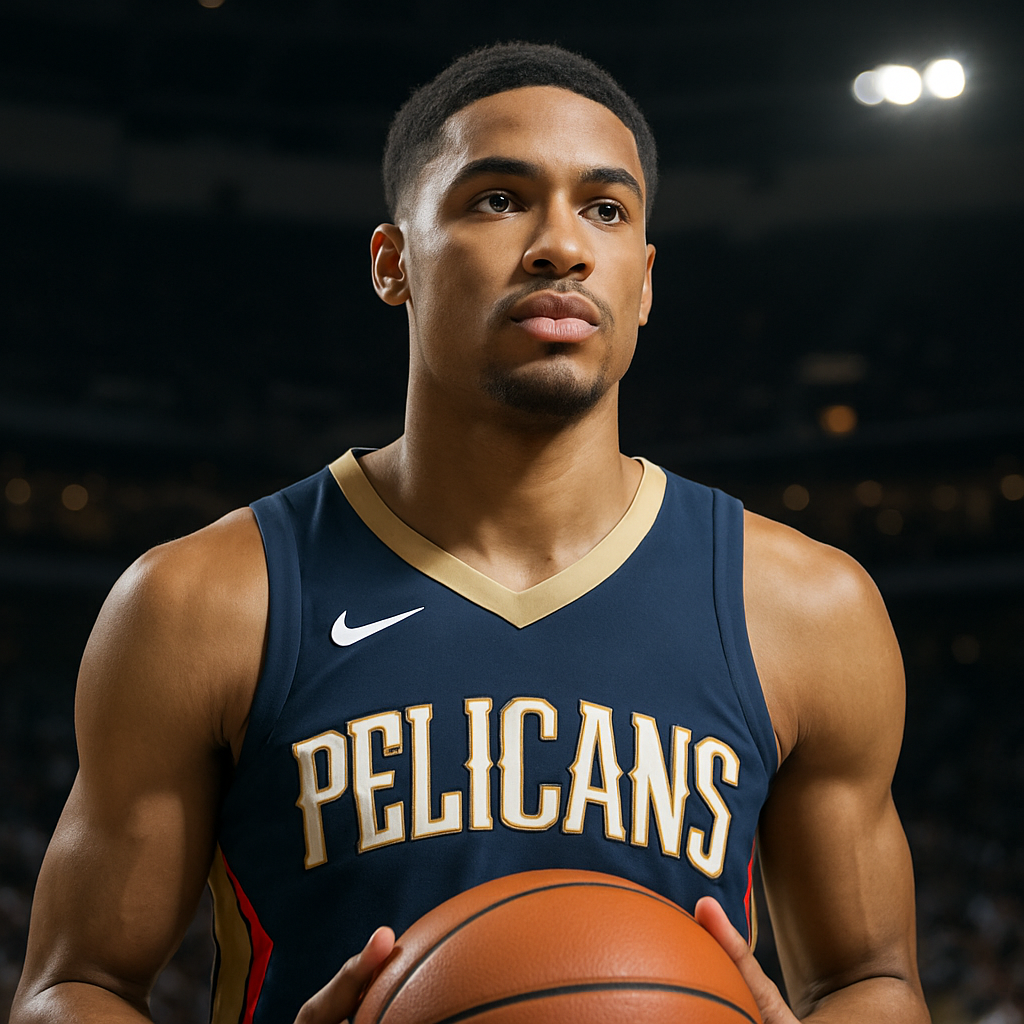
Understanding the ‘Jordan Hawkins Next Big Thing’ Phenomenon
Jordan Hawkins’ rapid rise—from clutch performances at the University of Connecticut to his entrance in the NBA—puts him at the center of sports conversations about future superstars. He was key in UConn’s 2023 title run and continues to show promise in the pros (NBA Draft Prospect Profile).
Why the ‘Next Big Thing’ Label?
- Big-game experience: Led UConn to a national championship.
- Elite shooting and decision-making: High marks in three-point accuracy and offensive versatility.
- Adaptability: Transitioned from college to the NBA with noted improvements in shot selection and efficiency (NBA Player Profile).
How To Analyze Jordan Hawkins Beyond the Hype
Most fans and scouts fall into the hype trap—getting swept up by buzz without focusing on the specifics of a rising athlete’s progress. That’s why evaluating Jordan Hawkins requires a structured, evidence-backed process:
| Step | Action | What to Look For |
|---|---|---|
| 1. Stats Analysis | Review seasonal performance data. | Shooting percentages, turnover rates, scoring averages. |
| 2. Pressure Testing | Check clutch game performances. | Numbers in elimination games, late-game effectiveness. |
| 3. Skill Set Review | Assess both offense and defense actions via film or stats. | On-ball creation, off-screen shooting, defensive reads. |
| 4. Injury Assessment | Track any missed games or recovery patterns. | Duration and recurrence of injuries. |
| 5. Adaptation Monitoring | Compare college to pro-level growth. | Trends in usage role, impact in various team lineups. |
Decision Points: What Matters Most When Evaluating Hawkins?
If you want to sort prospects, you need data and context, not just narratives. Here’s how to apply the right decision criteria when considering if Hawkins is the next big thing:
- Consistency: Does Hawkins maintain performance under pressure? Look at both college and NBA playoff/showcase performances (source).
- Shooting Threat: Examine his three-point and free-throw percentages and shot selection growth (NBA stats).
- Defensive Adaptability: Review matchups against high-level scorers for evidence of defensive upside.
- Health Durability: Review his missed games and recovery times to project long-term stability.
- Improvement Trajectory: Compare year-over-year efficiency and usage rates for signs of continual growth.
Illustrative Example: Applying the Analysis
Illustrative example (Assumptions: Using publicly available NBA and NCAA data from the 2022-2024 seasons):
- Step 1: Checking NBA player profile, Hawkins shot 37% from three in his rookie year, rising from 36% in college—a positive trend.
- Step 2: Playoff data showed Hawkins averaged 15 points in two elimination games for UConn, with late-game plays accounting for 25% of his scoring output—which indicates pressure performance (Draft Profile source).
- Step 3: Reviewing defensive stats, Hawkins averaged over a steal per game in his last college season, with improving pro-level defensive metrics per possession.
- Step 4: Limited reported injuries—no recurring problems detected in college or pro profiles—which supports his durability.
- Step 5: Year-over-year analysis shows increases in both minutes and offensive role, with turnovers held steady despite higher usage.
Analysis: Hawkins’ profile fits key success markers—rising efficiency, doing well in pressure, and showing two-way (offense/defense) growth. These tracked data points give objective justification for his ‘next big thing’ status, rather than media buzz alone.
Checklist: Avoiding Common Evaluation Mistakes
- Don’t rely solely on media highlights. Always verify stats from primary sources.
- Watch full games, not just clips, to note decision-making under pressure.
- Track injuries season by season for long-term durability assessment.
- Update your evaluation yearly as team role and pro context change.
- Benchmark Hawkins against both peer and veteran players for a real view of progress.
Table: Key Evaluation Factors for Hawkins’ Potential
| Factor | College | NBA (Rookie/2nd Year) |
|---|---|---|
| 3PT % | ~36% | ~37% |
| Points per Game | 16.2 | Approx. 9-11 |
| Defensive Stats | 1.2 steals/gm | 0.6 steals/gm |
| Games Missed (Injuries) | Low | Low |
| Clutch Scoring | High (NCAA Tourney) | Developing |
Findings and What To Do Next
To make informed decisions about Jordan Hawkins as the next big thing, use a data-driven, year-over-year analysis approach. Consult NBA Draft Prospect information and updated pro stats databases. For deeper sport analytics frameworks, see our guide on the future of sports analytics. Staying grounded in evidence will reveal real stars versus hype—and help fans and scouts invest wisely in rising talents.