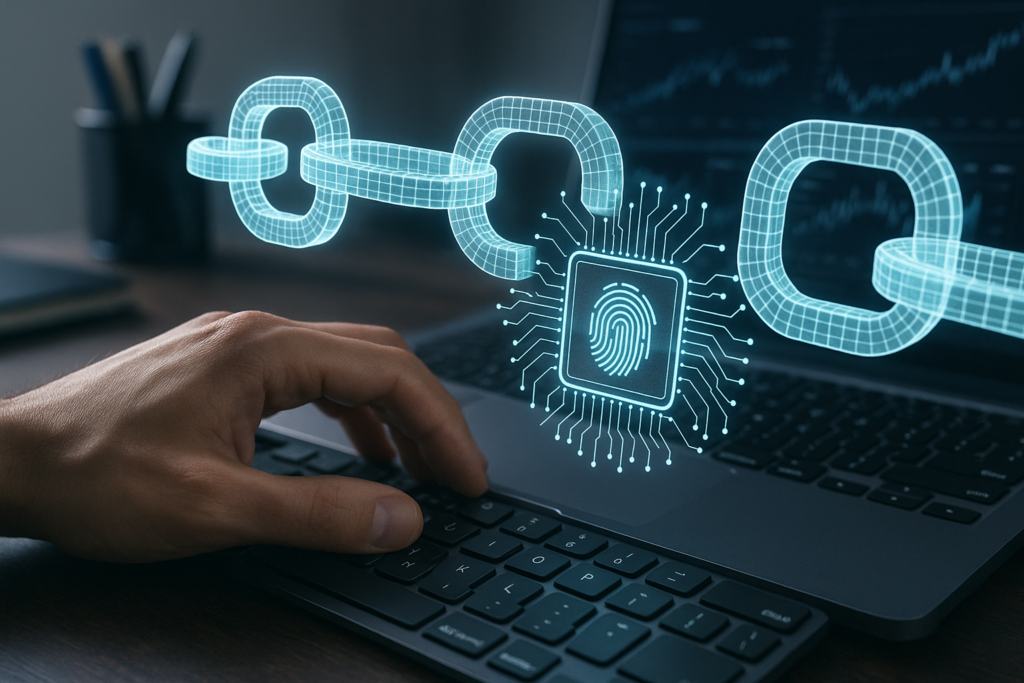
Blockchain technology powers more than just cryptocurrencies. Today, you can find blockchain beyond cryptocurrency in government recordkeeping, supply chain management, identity, and the Internet of Things (IoT). This guide details specific steps, choices, and examples to help you evaluate these innovative uses and decide if blockchain is the right solution.
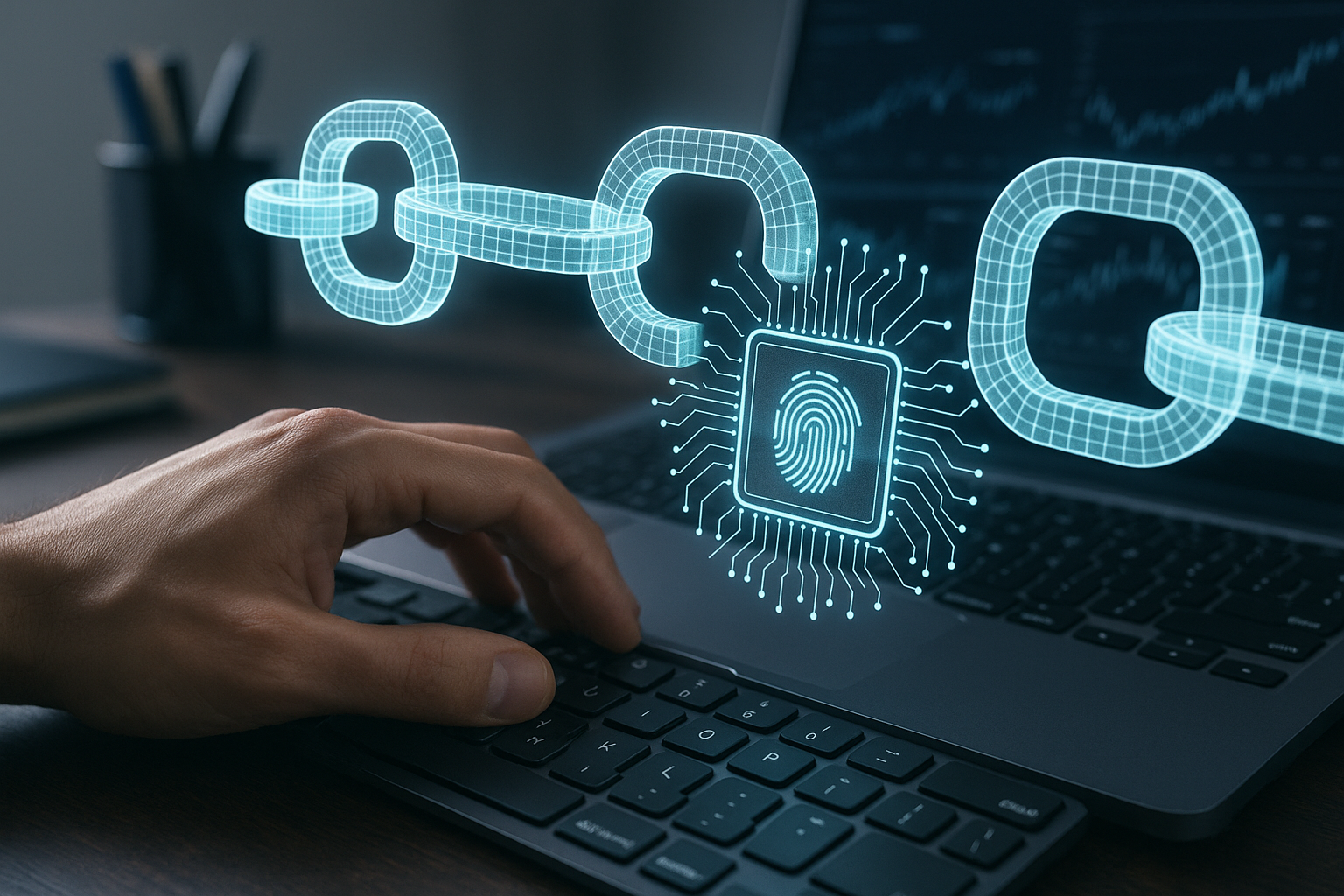
What Is Blockchain Technology?
Blockchain is a distributed digital ledger. It records transactions across many computers, making records transparent and hard to tamper with. Smart contracts—self-executing code blocks—let organizations automate business logic securely. This transparency, automation, and tamper-resistance go far beyond financial use cases (MITRE).
Key Applications of Blockchain Beyond Cryptocurrency
Several sectors use blockchain for purposes unrelated to digital currencies. The most promising include:
- Government and Public Records
- Supply Chain Tracking
- Identity Management
- Internet of Things (IoT) Security
Government and Public Records
Some governments use blockchain to improve transparency and reliability in public records, such as land registries or business licenses. A decentralized ledger can reduce fraud, simplify auditing, and ensure citizens’ access to records. However, not all projects succeed; complexities and integration challenges can limit effectiveness (OECD).
Supply Chain Tracking
Organizations in logistics use blockchain to track products from origin to consumer. This chain-of-custody record can deter counterfeiting and increase accountability. Data written to blockchain cannot be altered later, supporting compliance and trust among business partners (MITRE).
Identity Management
Blockchain offers individuals more control over their digital identities. Decentralized identifiers and verifiable credentials allow users to share only proof of specific claims, such as age or employment, without exposing their full identity. This approach aims for privacy, security, and user autonomy (Czech National Bank).
IoT Security
The Internet of Things (IoT) can benefit from blockchain by recording device operations and transactions in a tamper-resistant way. This can reduce risks from compromised devices or false data feeds, and supports reliable device authentication (MITRE).
Choosing Blockchain: Decision Criteria
Blockchain is not always the right tool. Consider these factors before adopting it:
- Is trust and transparency among parties critical?
- Do you need records no single party can alter?
- Is data privacy essential?
- Is there a need for independent, verifiable audits?
- Would a conventional database be simpler or cheaper?
Be cautious: Over-complexity and high costs can outweigh benefits for simple or centralized use cases (OECD).
Implementation Steps for Non-Crypto Blockchain Projects
- Define goals and requirements. Identify exactly what you want blockchain to do that other technologies cannot accomplish as securely or efficiently.
- Choose the right blockchain type:
- Public (anyone can participate)
- Private (controlled by a known group)
- Consortium (multiple organizations share control)
- Develop governance policies. Decide who can read, write, and validate data, and how the system resolves disputes.
- Design smart contracts if needed. Write code to automate processes, such as document approval or product tracking.
- Test with a pilot phase. Use real-world data in a controlled environment before full launch.
- Monitor and adjust. Track performance, security, and regulatory compliance, updating as needed.
Blockchain Decision Checklist
| Requirement | Blockchain Advantage? | Alternative? |
|---|---|---|
| Multiple untrusted parties? | Yes | Centralized DB weaker |
| Audit trails that cannot be edited? | Yes | Traditional log can be altered |
| Public verification needed? | Yes | Limited with central solutions |
| High throughput or privacy needs? | No/Partial | Databases often better |
Illustrative Example: Assessing Blockchain for Land Registry
Assume a government wants to use blockchain for land titles. Key questions and an illustrative evaluation:
- Parties: Citizens, government departments, external auditors
- Trust needed: High (property fraud concerns)
- Auditable, tamper-proof history: Yes, critical
- Throughput: ~10,000 transactions/year (moderate)
- Privacy: Public info, low personal data concern
Conclusion: Blockchain offers a unique advantage over traditional databases for creating an auditable digital land registry, with tamper-proof records and strong dispute resolution. However, the government must account for integration challenges with legacy systems (OECD).
Current Limitations and Considerations
- Interoperability: Integrating blockchain with existing systems remains difficult in most organizations.
- Legal and regulatory uncertainty: Standardization is lacking in many countries, making compliance tricky.
- Complexity and cost: Blockchain development and operation can be expensive relative to alternatives.
- Scalability: Some blockchains struggle with high-volume transactions or low-latency needs.
The practical value depends largely on matching the solution to the problem—blockchain is not a universal fix.
Where to Learn More
- For more on blockchain in education and future uses, read AI in Education 2026.
- If you want to see real-world applications, see practical use cases of blockchain beyond cryptocurrency.
Next step: If exploring blockchain for your organization, start with a small, well-defined project that addresses a transparency or trust challenge unsolved by standard solutions. This approach limits risk and ensures clear, measurable benefits.