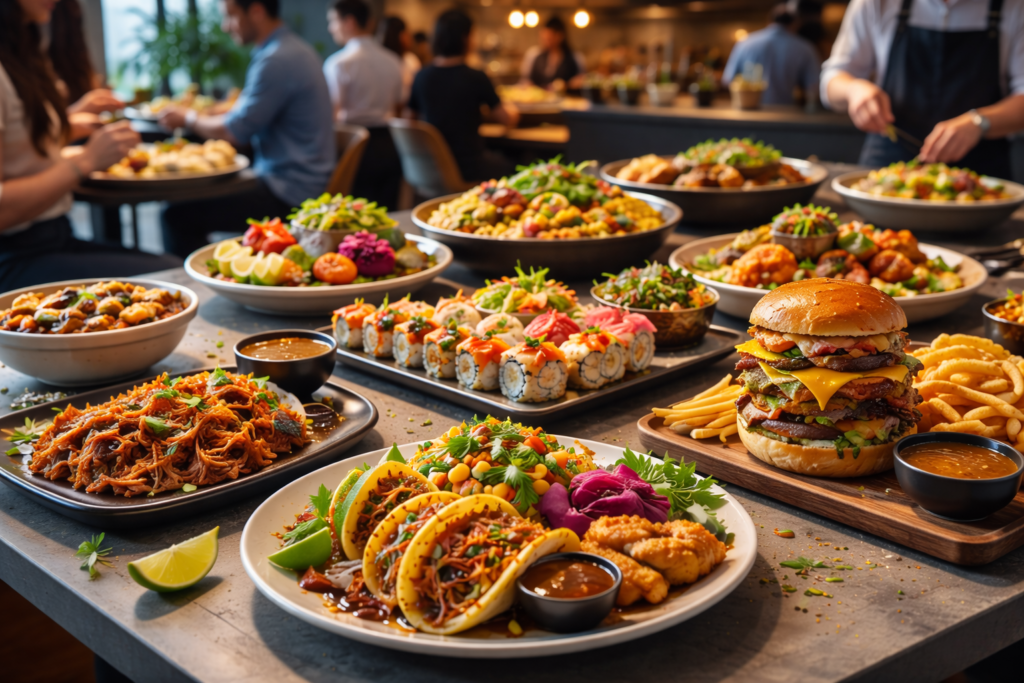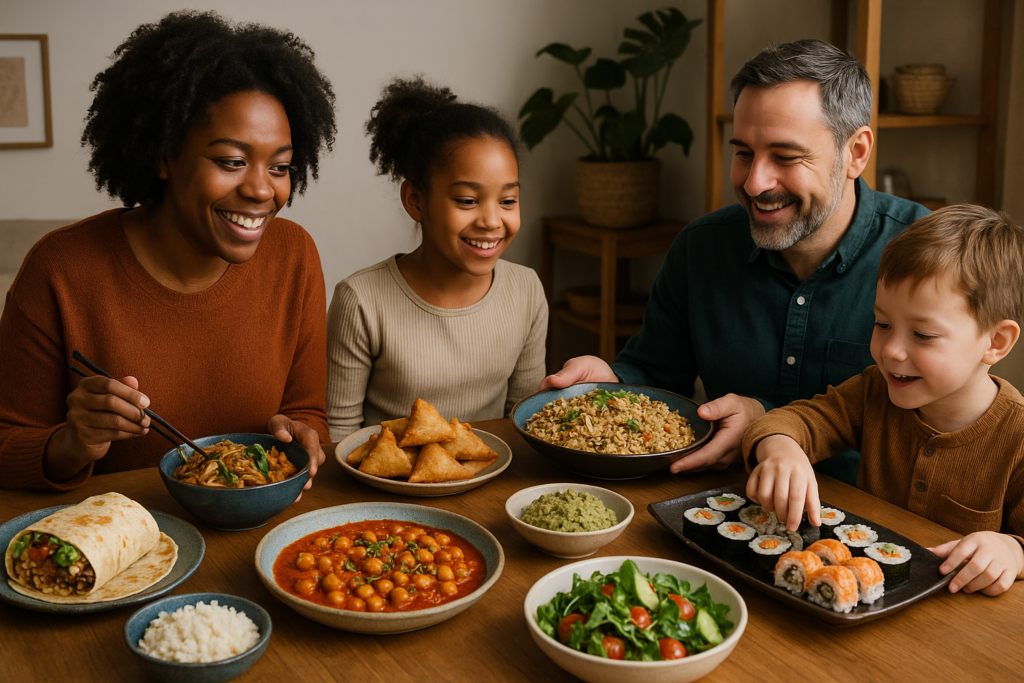
Embracing culinary diversity at family meals means intentionally including dishes and ingredients from a range of cultures at your table. This fosters connection, curiosity, and appreciation for global traditions among adults and children alike. Families can start with simple steps—engaging in open discussions, experimenting with international recipes, and involving children in cooking—to create meals that celebrate world flavors and shared stories.
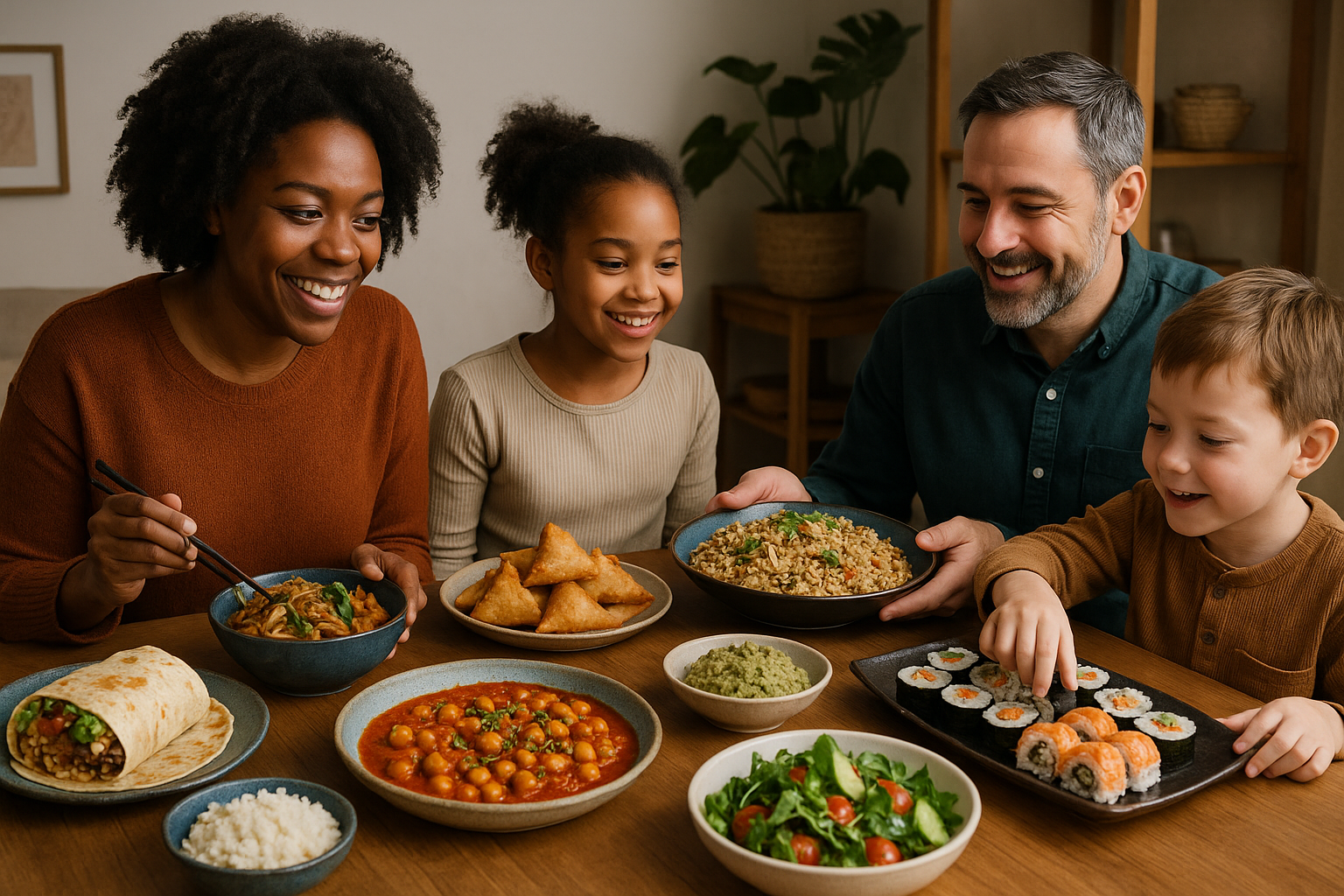
Why Embracing Culinary Diversity Matters
Sharing diverse foods at family meals does more than add variety to the menu. Research shows it plays a key role in maintaining cultural traditions across generations and supports positive attitudes toward new experiences and foods. For families from different backgrounds or with immigrant roots, including dishes from a range of cooking traditions helps preserve important cultural links (Family Meals Then and Now).
Children and adolescents exposed to a variety of world cuisines learn to respect differences and broaden their culinary horizons. Family members may also discover new favorites and build positive associations with trying new things (Project EAT study).
Getting Started: Practical Steps for Families
- Start with Conversation: Talk about the role of food in different cultures. Invite family members to share meal traditions or favorite dishes from their heritage or travels.
- Choose Culturally Diverse Recipes: Rotate new recipes from different cuisines into your week’s meals. Look for dishes that highlight unique flavors, spices, or techniques.
- Involve Children in Cooking: Kids of all ages can help with age-appropriate tasks, from washing vegetables to reading recipes. This builds excitement and opens the door to learning about other cultures (Intergenerational Transmission of Family Meal Practices).
- Share Stories Behind the Food: Contextualize meals by discussing where a dish originates and why it’s special, encouraging a deeper appreciation for its history and place in the world.
- Overcome Barriers Together: Identify challenges such as unfamiliar ingredients or time constraints as a team, and plan workarounds like adapting recipes, using substitutes, or simplifying preparation steps.
Checklist: Steps to Embrace Culinary Diversity
| Action | Why It Matters |
|---|---|
| Discuss mealtime traditions | Builds respect and celebrates each family member’s background |
| Plan a global menu rotation | Ensures consistent variety and explores new tastes |
| Try new ingredients together | Encourages open-mindedness and culinary curiosity |
| Create a story-sharing moment | Deepens understanding of global connections |
| Involve all ages in prep | Fosters teamwork and learning beyond the recipe |
Common Barriers and How to Address Them
Many families face obstacles when trying to introduce more culinary variety to their meals. Common issues include:
- Picky eaters: Gradually incorporate new flavors in familiar dishes. Encourage every family member to try one bite before passing judgment.
- Limited time or cooking skills: Select simple, quick recipes from world cuisines and use premade ingredients if needed. Over time, skills and comfort with new techniques will grow (Family Meals Then and Now).
- Unfamiliar ingredients: Substitute with locally available options when possible, or explore international aisles at the grocery store or specialty markets.
- Differing tastes and traditions: Rotate the cuisine theme so that all cultures represented in your family get an opportunity to shine.
Building New Family Food Traditions
Creating recurring multicultural food experiences at home helps reinforce culinary diversity. Consider these ideas:
- Establish a theme night—for example, “International Wednesdays”—to spotlight a different country’s cuisine each week.
- Celebrate holidays from various cultures—even those not traditionally observed in your household—by preparing special meals together.
- Encourage open dialogue about everyone’s preferences, and let each family member take turns choosing which cuisine to explore next.
Illustrative Example: Planning a Week of Diverse Family Meals
Assumptions: Family of four; goal – incorporate dishes from five different regions in one week to boost exposure to global flavors.
| Day | Cuisine | Sample Dish | Family Involvement |
|---|---|---|---|
| Monday | Mexican | Chicken fajitas | Kids slice peppers; parents cook |
| Tuesday | Italian | Vegetarian lasagna | Assemble layers together |
| Wednesday | Indian | Chana masala | Kids help with spices |
| Thursday | Chinese | Stir-fried noodles | Kids wash veggies |
| Friday | Nigerian | Jollof rice | Story sharing about dish’s origins |
This approach ensures everyone participates, discovers new tastes, and hears stories behind each dish. Adjust menu and involvement based on your family’s preferences and needs.
Encouraging Openness and Curiosity
Approaching new foods with curiosity (not pressure) helps the whole family develop flexible tastes and respect for culinary differences. Allow for honest feedback, but keep the tone positive—emphasizing adventure and appreciation rather than expectation. If a recipe isn’t a hit, talk about what could be tried differently next time or which element was most interesting.
Conclusion: Moving Forward with Culinary Diversity
Embracing culinary diversity at your family table is an ongoing journey, sustained by conversation, teamwork, and a willingness to explore. Start small, build on each new experience, and turn mealtime into a moment for discovery and connection. For further inspiration on broadening experience as a family, see best family-friendly experiences in the USA or family-friendly financial experiences.
Next step: Choose one night this week to try a recipe from a new cuisine, involve the whole family in preparation, and talk about the culture behind the dish as you eat.
Sources and further reading
- Family Meals Then and Now: A Qualitative Investigation of Intergenerational Transmission of Family Meal Practices in a Racially/Ethnically Diverse and Immigrant Population – PMC
- The intergenerational transmission of family meal practices: a mixed-methods study of parents of young children.
- Family meals and adolescents: what have we learned from Project EAT (Eating Among Teens)? | Public Health Nutrition | Cambridge Core