
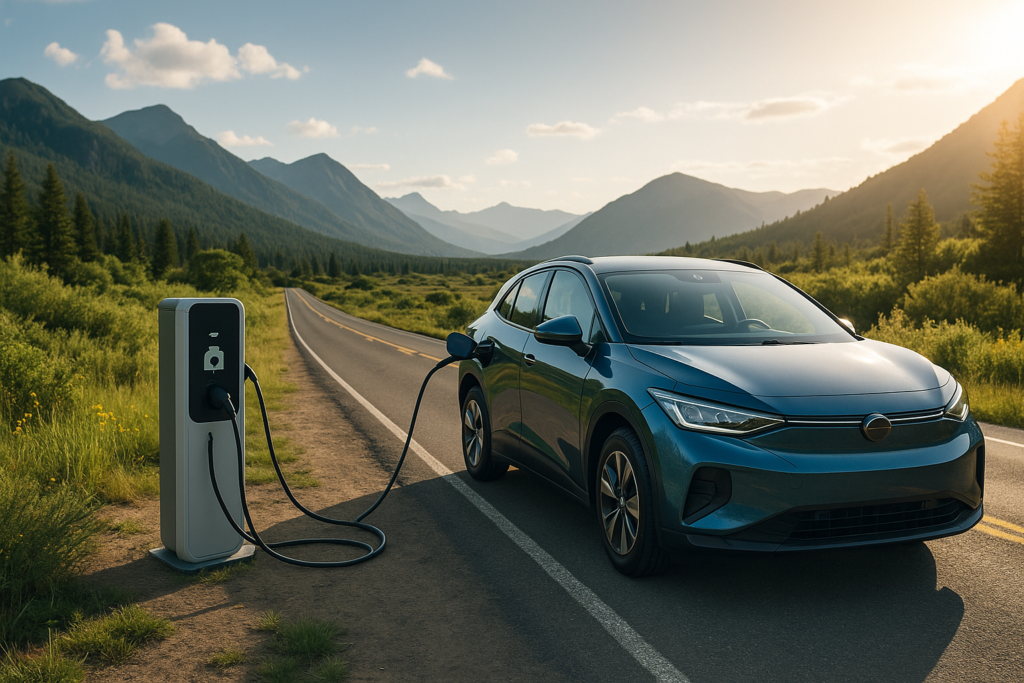
Eco-friendly road trips let you explore the USA while reducing your environmental impact. By selecting efficient travel options, maintaining your vehicle, and following green travel habits, you can lower emissions and enjoy sustainable adventures. Here’s how to plan and execute eco-friendly road trips without sacrificing discovery or comfort.
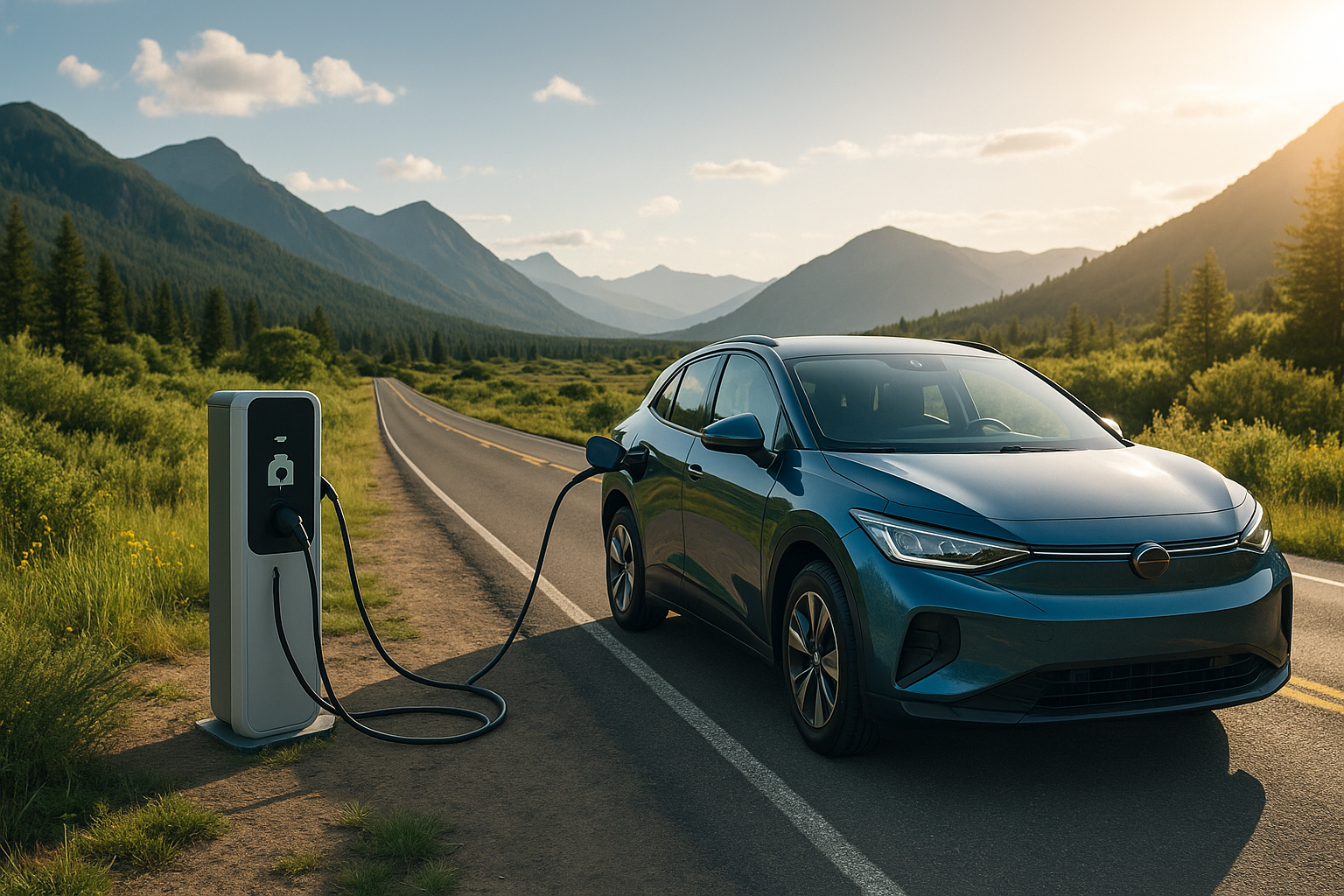
Eco-Friendly Road Trips: What Makes Them Sustainable?
Eco-friendly road trips aim to reduce carbon emissions and resource waste. This involves practical steps such as fuel conservation, efficient vehicle use, combining trips, and opting for greener transportation where possible. According to the U.S. Department of Energy, strategies like maintaining your car and reducing idling can make a significant difference.
Step 1: Choose Your Mode and Route Wisely
Start by exploring alternatives to conventional solo car travel. Consider these options:
- Carpool: Share rides with friends or family to curb per-person emissions.
- Public Transport: Some scenic routes and national parks offer buses or shuttle services to limit traffic and pollution.
- Trains: For certain destinations, long-distance rail minimizes flying and driving emissions, as noted by the National Park Service.
Even if you drive, plan routes that minimize unnecessary detours and combine stops to cut down on mileage (EPA guidance).
Checklist: Greener Route Decision
| Question | If Yes | If No |
|---|---|---|
| Can you carpool or share your ride? | Invite others, split costs & emissions | Drive solo, consider offsetting emissions |
| Is a public transit route available? | Take the bus/train for main route | Drive, but plan most direct route |
| Can you combine multiple stops? | Reduce total mileage | Accept higher impact, look to offset |
Step 2: Prep Your Vehicle for Efficiency
Your car’s condition directly affects fuel consumption. The U.S. Department of Energy recommends:
- Check Tire Pressure: Under-inflated tires lower fuel economy. Inflate tires to the manufacturer’s specs before you depart.
- Routine Maintenance: Get oil changes, air filter replacements, and engine checks done for peak performance.
- Pack Light: Heavy loads in your trunk or unused roof racks increase drag and reduce efficiency.
Also, avoid idling at stops—turning off the car saves fuel and reduces exhaust emissions.
Step 3: Adopt Efficient Driving Habits
Smooth driving uses less fuel. The Alternative Fuels Data Center and EPA both recommend:
- Accelerate gently and avoid hard braking
- Set cruise control on highways for steady speed
- Limit use of air conditioning if possible
- Observe speed limits—driving faster increases fuel use
Illustrative example: Fuel Savings Calculation
Assumptions: Your car averages 25 miles per gallon (mpg) on a 1,000-mile road trip. By maintaining tire pressure and gentle driving, you improve efficiency by 10% (to about 27.5 mpg).
- Original fuel use: 1,000 mi / 25 mpg = 40 gallons
- Improved fuel use: 1,000 mi / 27.5 mpg = approx. 36.4 gallons
- Fuel saved: 40 – 36.4 = 3.6 gallons (over the trip)
For a typical gas-powered car, that’s about 70 fewer pounds of CO2 emitted for this trip.
Step 4: Reduce Waste and Support Local Conservation
Eco-friendly road trips also mean creating less waste. Pack a reusable water bottle, bring snacks in washable containers, and avoid disposable plates or utensils. At stops and parks, use marked recycling bins, and never leave trash behind.
Choose accommodations and restaurants with green certifications or those that source locally. National parks, for example, often have sustainability programs you can participate in (National Park Service).
Step 5: Offset Your Trip’s Carbon Footprint (Optional)
If you must drive solo or cover long distances, consider purchasing verified carbon offsets. Select projects recognized by reputable environmental organizations. While not a substitute for efficiency, offsets can help address unavoidable emissions.
Quick Reference Table: Sustainable Road Trip Actions
| Action | Impact |
|---|---|
| Maintain vehicle & tires | Improves fuel economy |
| Plan direct routes | Reduces mileage & emissions |
| Share rides | Lowers per-person footprint |
| Avoid idling | Cuts unnecessary exhaust |
| Pack light | Boosts efficiency |
| Bring reusables | Limits waste on the road |
Limitations and Responsible Use
No road trip is impact-free. Even efficient travel uses resources. Recognize that flying or driving less, or replacing some trips with train or bus journeys, has a larger effect than small changes alone. Check local public and national park transit options before you travel (NPS).
Where to Discover Inspiration
- Best Eco-Friendly Beautiful Travel Destinations in the USA
- Affordable Adventures: Budget-Friendly Summer Road Trips USA
- Best Fall Foliage Road Trips in the USA
Next step: Map your route with fuel efficiency in mind, prep your car, and choose eco-minded stops for a truly sustainable USA road trip.


Pingback: Budget summer road trips: A Practical Guide