Supporting your child’s ability to cope with stress and challenges is possible through practical, evidence-based mindful practices. Mindfulness activities have been shown to support child resilience by helping them manage emotions and stress, reduce anxiety, and build positive coping skills. This guide outlines proven steps for using mindful practices to foster child resilience, along with limitations and concrete decision criteria.
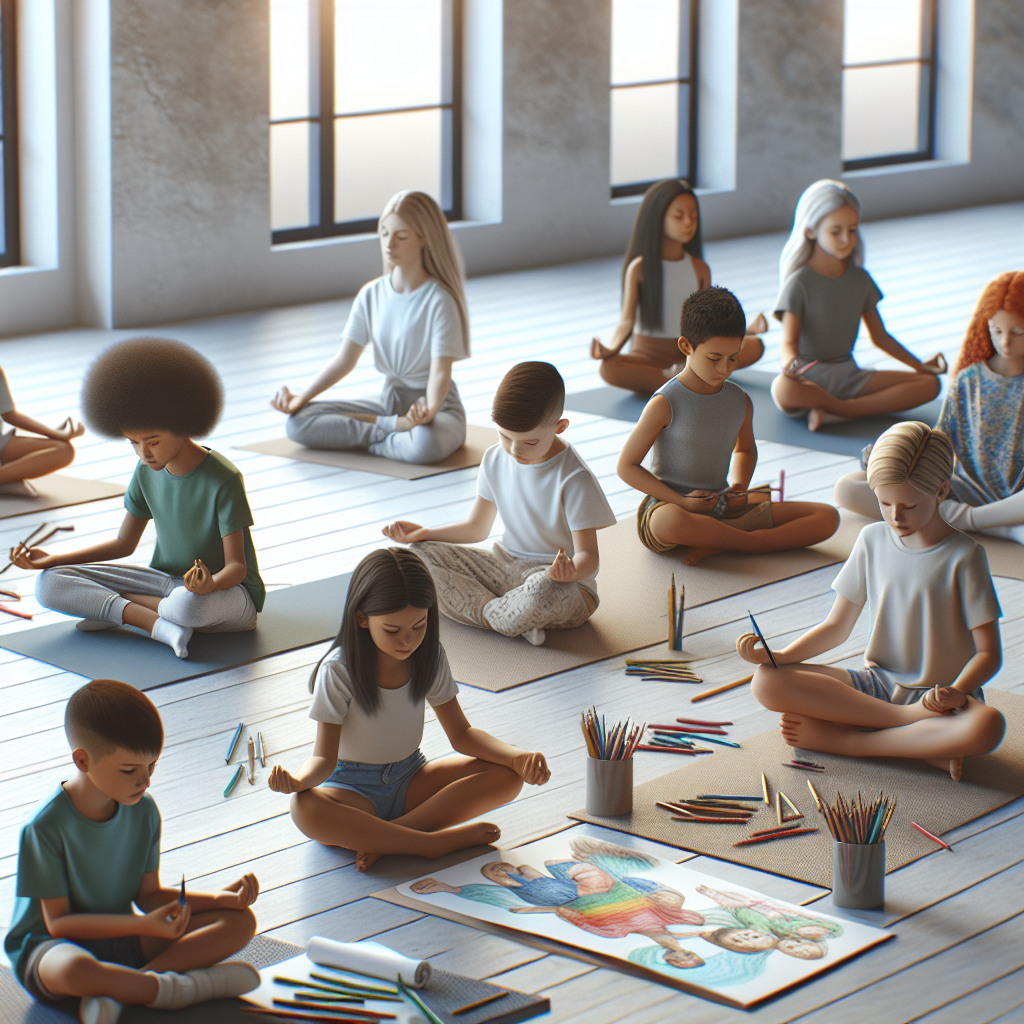
Why Mindful Practices Build Child Resilience
Mindfulness techniques encourage children to focus on the present moment without judgment. According to guidance from the CDC and the New Jersey Department of Education, these practices can help children manage stress, regulate emotions, and reduce anxiety symptoms, all of which contribute to greater resilience (CDC: Promote Mindfulness, NJDOE: Building Resiliency Through Mindfulness).
Core Mindfulness Activities for Resilience
- Mindful breathing: Simple focused breathing routines to calm the mind.
- Mindful movement: Gentle activities such as stretching or walking while noticing sensations.
- Guided attention: Focusing on sounds, colors, or sensations in the room to build awareness.
- Emotion check-ins: Helping children identify and name their emotions regularly.
Step-by-Step: Implementing Mindful Practices
- Choose suitable activities: Start with brief (2-5 minute) mindfulness sessions appropriate for your child’s age and comfort level.
- Model mindfulness: Practice together. Children learn effective coping skills by observing adults managing stress nonjudgmentally.
- Designate a regular time: Routine helps mindfulness feel familiar and safe. Just before bed or after school works for many families.
- Make participation voluntary: Forced mindfulness can increase stress. Let children opt in and suggest activities they enjoy (NJDOE Source).
- Check in and adapt: Ask your child how activities feel and adjust as needed. Not all children benefit equally from mindfulness.
Checklist: Safe & Effective Mindful Practice
| Step | Completed? |
|---|---|
| Selected age-appropriate mindfulness activity | ▢ |
| Practiced mindfulness together as a family | ▢ |
| Scheduled a consistent practice time | ▢ |
| Ensured participation is voluntary | ▢ |
| Reviewed child’s comfort and adjusted practice | ▢ |
Integrating Mindful Practices into Daily Life
Making mindfulness a regular habit builds resilience most effectively when it is embedded naturally into daily routines. Consider integrating a short mindful breathing exercise before meals or during transitions, or encourage children to take a mindful walk after school. Schools and community groups may offer additional support through classes and peer groups focused on resilience-building (CDC Action Guide).
Supporting Mindfulness Across Settings
- At home: Simple daily routines, such as mindful breathing at bedtime.
- In school: Many schools deliver classroom-based mindfulness sessions to support mental health and resilience.
- Community involvement: Programs may link activities for home and classroom, providing continuity and support (OJP Resilience Evaluation).
Key Decision Criteria & Limitations
- Participation should always be voluntary. Some children may find mindfulness uncomfortable or unhelpful (NJDOE Source).
- Child’s age and developmental stage shape effective activities. Very young children benefit most from active, play-based mindfulness, while older children may enjoy more reflective practices.
- Monitor for discomfort. If a practice increases anxiety or stress, pause and reconsider approaches.
Illustrative Example: Building a Home Mindfulness Routine
Assumptions: You have a school-aged child, and you want to add mindful practices to your evening routine, aiming for 10 minutes total.
- 1. Select two activities: 3 minutes of mindful breathing and 7 minutes of a mindful listening game.
- 2. Practice with your child for both activities, joining in and encouraging participation.
- 3. Ask your child after each session how the activities felt and if they want to adjust tomorrow.
- 4. Track participation and enjoyment for a week in a journal, adjusting as needed if the child expresses boredom or discomfort.
- 5. If the routine proves enjoyable and calming, you can increase the length or frequency based on your child’s feedback.
Further Support & Related Guides
- For practical strategies to create mindful habits as a family, see Family Resilience Mindful Practices: A Practical Guide.
What to Do Next
Choose one simple mindfulness activity for your child, try it together, and observe how they respond. Adjust your approach based on their comfort and interest to foster ongoing resilience in a way that fits your family’s needs.