
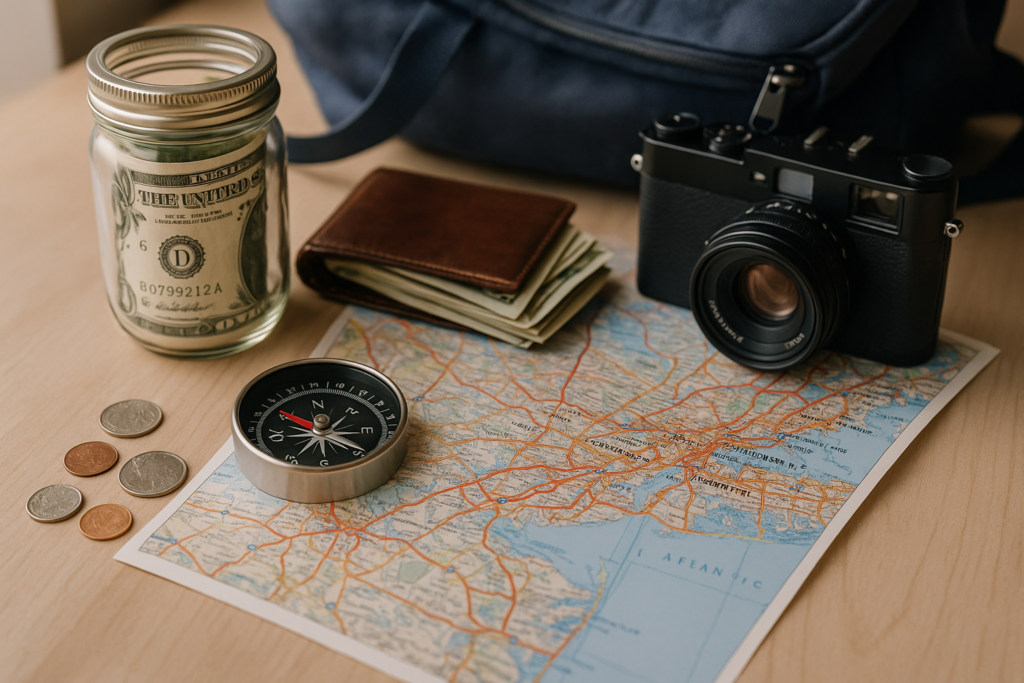
For major US cities, the best budget travel hacks are: stay one transit stop away from tourist centers, buy transit day passes, dine where locals do, track expenses, and seek free attractions. These simple strategies can help keep your trip affordable without sacrificing meaningful experiences.

Budget Travel Hacks: Where to Start
Traveling to New York, Los Angeles, or Chicago doesn’t have to break the bank. By making smart choices on where to stay, how to get around, and where to eat, you can make the most of your trip and save hundreds of dollars. Below are proven steps and decision points to guide your planning.
Save on Accommodation
Accommodation is often the largest single expense for city travel. One effective hack is to book your stay just one subway or transit stop outside the main tourist district. This often reduces hotel rates by 30–45% because hotels outside high-demand areas cater more to business travelers or locals. Proximity to public transit means you’ll still have easy access to key attractions, while enjoying savings and potentially quieter neighborhoods (SmartExpense).
- Compare hotel prices in tourist hotspots with those in adjacent neighborhoods.
- Look into hostels and shared rentals if you’re traveling solo or with friends.
- Check cancellation policies for flexibility.
Illustrative example: Accommodation cost comparison
Assumptions: You plan a 5-night stay in New York. Midtown hotel average: $320/night. Hotel in Queens, one subway stop away: $185/night.
- Staying in Midtown (5 nights): $320 x 5 = $1600
- Staying in Queens (5 nights): $185 x 5 = $925
- Total savings: $675
Cut Transportation Costs
Major US cities offer efficient public transit systems. Single-ride tickets and rideshares add up quickly. Instead, buy unlimited day or week passes on arrival—these often break even after two or three rides, especially if you explore widely (SmartExpense).
- Identify local transit pass options online before you travel.
- Calculate expected daily rides to pick the right pass.
- Skip airport taxis; most cities provide express trains or buses at a fraction of the cost.
| City | Single Ride | Day Pass | Weekly Pass |
|---|---|---|---|
| New York City | $2.90 | $13 (express bus) | $34 |
| Chicago | $2.50 | $5 | $20 |
| Los Angeles | $1.75 | $7 | $25 |
Eat Smart: Where Locals Dine
Dining costs can double in tourist-heavy neighborhoods. Aim for local restaurant districts, which often cater to city residents and workers at much lower prices. These areas are usually a few blocks or a transit stop from top attractions and offer authentic culinary experiences (SmartExpense).
- Ask hotel staff or city guides for restaurant recommendations for service workers.
- Browse food apps to locate budget-friendly options nearby.
- Consider grocery stores or food trucks for occasional meals.
Illustrative example: Meal cost savings
Assumptions: Lunch near a tourist attraction: $18. Lunch in a service worker district: $9.
- 5 lunches in tourist area: $18 x 5 = $90
- 5 lunches in local area: $9 x 5 = $45
- Savings: $45 on lunches over 5 days
Track Expenses with Apps
Unplanned purchases can derail a travel budget. Use a free expense tracker app to log daily spending on accommodations, transit, dining, and activities. This helps you recognize patterns, adjust in real-time, and know when to cut back (SmartExpense).
- Set a daily limit for each spending category.
- Review your log every night and adjust plans for the following day.
Seek Free Events and Attractions
Many cities offer free events, public parks, outdoor festivals, and neighborhood tours. For example, San Diego’s official tourism board compiles free happenings and even promotes seasonal deals such as “Kids Free San Diego,” where children eat, stay, and play for free during October (San Diego Official Tourism).
- Look up the city’s official tourism site for up-to-date event calendars.
- Visit public museums or attractions on free-entry days.
- Explore city neighborhoods for local markets or cultural fairs.
Choose Affordable Destinations
If flexibility allows, consider the most budget-friendly major cities by comparing costs for lodging, dining, activities, and transportation. TripCostGuide offers breakdowns to help you evaluate total trip expenses by location (TripCostGuide).
- Check average nightly hotel and meal costs before booking.
- Factor in local taxes, fees, and typical tips to avoid hidden expenses.
Checklist: Key Budget Travel Moves
| Action | Benefit |
|---|---|
| Book hotels just outside tourist areas | Save 30–45% on lodging |
| Buy unlimited public transit passes | Reduce total transport costs |
| Dine where locals and workers eat | Cut meal expenses in half |
| Track expenses daily | Prevents overspending |
| Attend free city events | Enjoy unique activities at no cost |
Conclusion: Plan Ahead for Greater Savings
Budget travel hacks rely on informed choices. Book strategically, use public transportation, eat like a resident, track your spending, and research free events for the best mix of value and local experience. For more inspiration, explore TripCostGuide’s city breakdowns or browse this guide to budget-friendly travel destinations. Check official city tourism sites for local deals before you book—and enjoy your trip with more money left for the next adventure!
Sources and further reading
- Budget Travel Tips for Expensive US Cities (2026)
- Cheapest Cities to Travel in the USA (Complete Cost Breakdown) – TripCostGuide
- The Official Travel Resource for the San Diego Region | San Diego
Related guide: Luxury Travel on a Budget: Proven Strategies and Tips.


Pingback: Luxury Travel on a Budget: Proven Strategies and Tips
Pingback: Hidden Costs of Family Travel: Smart Budget Strategies