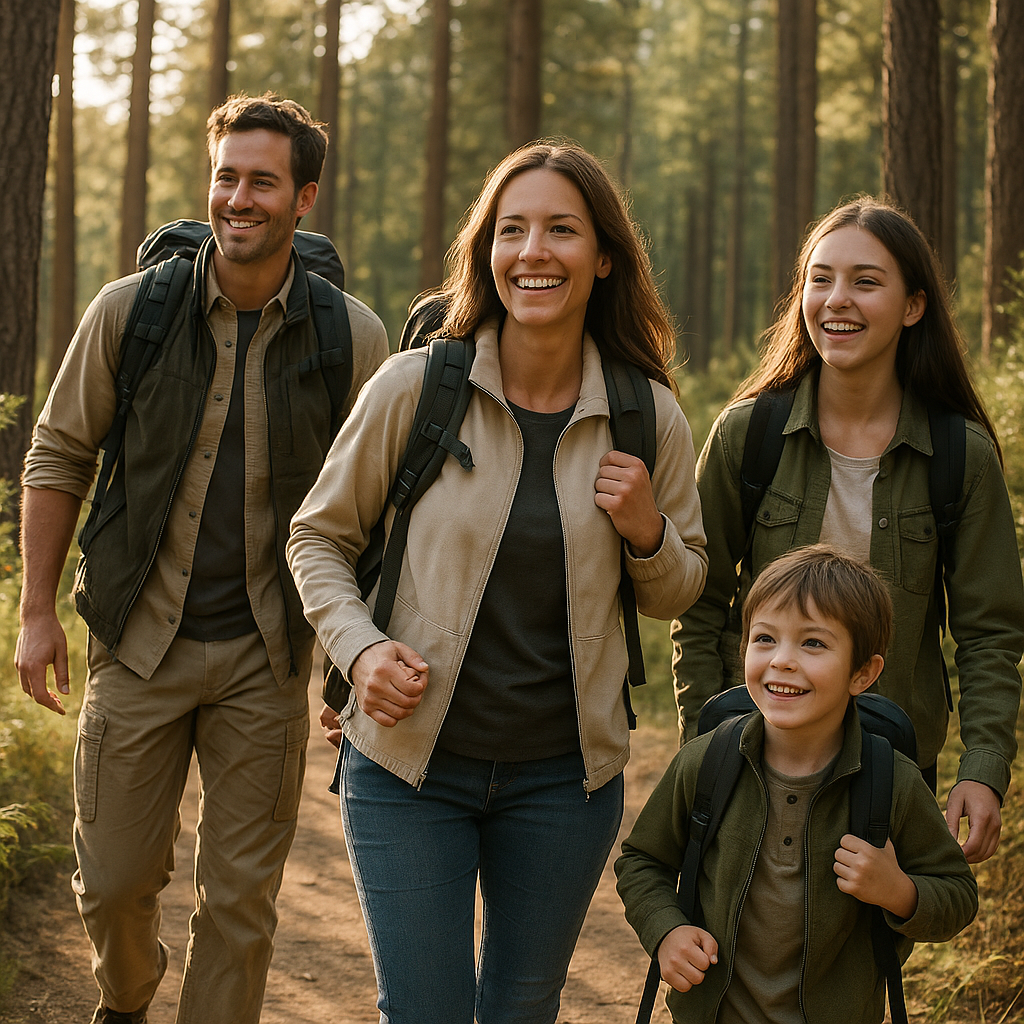
Adventure-based bonding activities offer families structured and meaningful ways to strengthen ties, foster effective communication, and build resilience. These activities blend physical challenge with supportive teamwork, providing opportunities to deepen connection in everyday life.
Why Adventure-Based Bonding Activities?
Unlike typical family outings, adventure-based bonding activities use shared challenges and reflection to promote communication, trust, and emotional connection. Evidence shows that carefully designed activities—such as team problem-solving or outdoor challenges—enhance family functioning and resilience, supporting families in everyday life and when facing adversity (Leung et al.).
How Adventure Activities Improve Family Bonds
Research highlights three main benefits of adventure-based bonding activities for families:
- Improved Communication: Structured challenges require families to share thoughts, negotiate roles, and reflect together (Koltz).
- Resilience Building: Facing novel tasks as a team helps families adapt to stressors together (Leung et al.).
- Enhanced Emotional Connection: Overcoming challenges together builds closeness and trust (Norton et al.).
Choosing the Right Adventure Activity
Select activities that match your family’s interests, age, abilities, and comfort level. Start simple, with the goal of teamwork over competition.
| Activity Type | All Ages? | Indoor/Outdoor | Key Focus |
|---|---|---|---|
| Team-building Games | Yes | Both | Communication, Trust |
| Low-Ropes Course | 8+ | Outdoor | Problem-Solving |
| Nature Scavenger Hunt | Yes | Outdoor | Collaboration |
| Building/Engineering Challenge (e.g., bridge made of household items) | Yes | Both | Creativity, Teamwork |
| Guided Reflection | Yes | Both | Emotional Sharing |
Step-by-Step Guide: Planning an Adventure-Based Activity
- Set a Shared Goal: Define what you want to achieve—better communication, more fun, or resolving a challenge.
- Choose an Activity: Pick from proven options like team-building exercises, a scavenger hunt, or a cooperative building project. Ensure the activity is age-appropriate and accessible.
- Prepare Materials: Gather any tools, instructions, or safety gear needed (for example, a list for a scavenger hunt, or simple ropes for an indoor obstacle course).
- Assign Roles: Let each family member have a part in the activity. Rotate leadership and decision-making for inclusiveness.
- Do the Activity: Focus on communication and teamwork, not just winning or time limits.
- Reflect Together: After finishing, discuss what worked, what was hard, and what you learned about each other. Use open-ended questions (“What did you like best about working together?”).
Checklist: Making the Most of the Experience
- Set clear shared goals
- Emphasize teamwork over competition
- Rotate leadership to engage everyone
- Make time for reflection afterward
- Adjust difficulty based on needs
- Allow mistakes and encourage trying again
- Provide space for emotional sharing
Illustrative Example: Planning a Family Scavenger Hunt
Assumption: A family of four wants to strengthen communication and have fun outdoors.
- Goal: Improve teamwork through cooperative problem-solving.
- Chosen Activity: Nature scavenger hunt with clues that require discussion to solve.
- Preparation: List of 10 creative items; two clipboards and pencils.
- Roles: Two members read clues; the other two record findings. Rotate jobs halfway.
- Execution: Work in pairs to solve clues—no splitting up, focus on group solutions.
- Reflection: “What was the hardest clue? How did we help each other? What strategies worked best for us?”
When to Seek Structured Support
Families facing ongoing conflict or trauma may benefit from guided adventure-based programs or adventure therapy, often administered by trained facilitators. Such structured programs have shown effectiveness for improving family functioning and addressing communication barriers, especially following adversity (Koltz; Norton et al.).
Limitations and Considerations
- Some activities require supervision for safety, especially outdoors or for children.
- Family differences (age, ability, culture) may shape preferences and the appropriateness of activities.
- Structured reflection is key: without it, benefits may be limited.
Additional Resources
- Unconventional Family Bonding Activities That Build Real Connection
- Reconnect: Engaging Tech-Free Family Bonding Activities
Next step: Select an adventure-based bonding activity suited to your family’s interests and schedule a date to try it together, focusing on teamwork and open communication throughout the process.