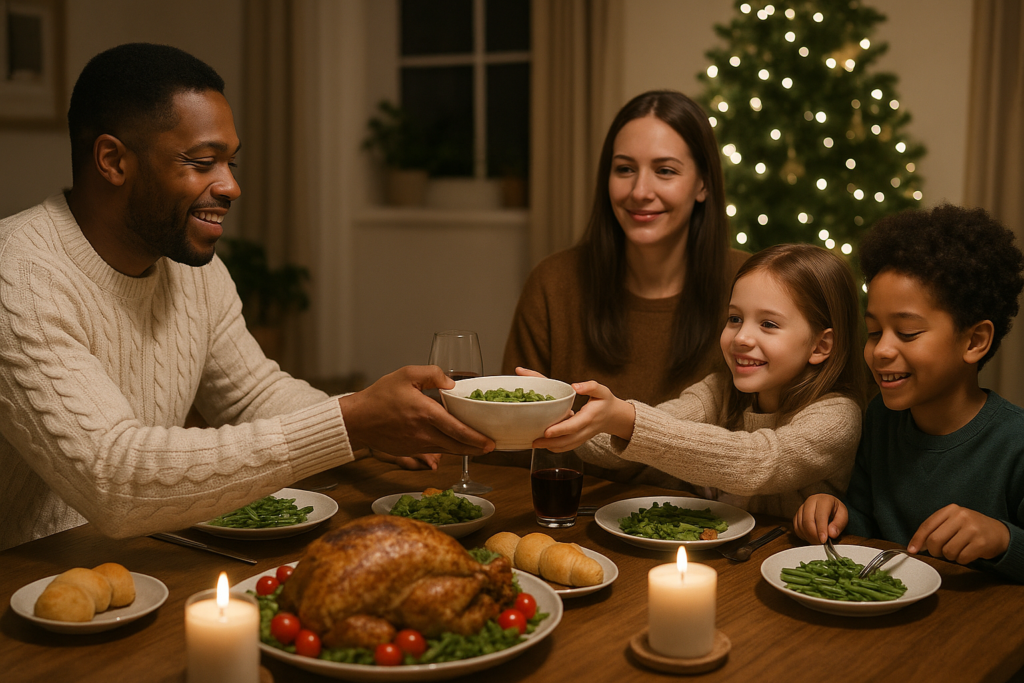
Families can restore and rebuild traditions post-pandemic by openly communicating, adapting rituals to new routines, and involving everyone in decision-making. Focusing on meaningful family traditions post-pandemic helps strengthen resilience, enhance well-being, and foster connection. Here’s a step-by-step guide using current research and practical actions.
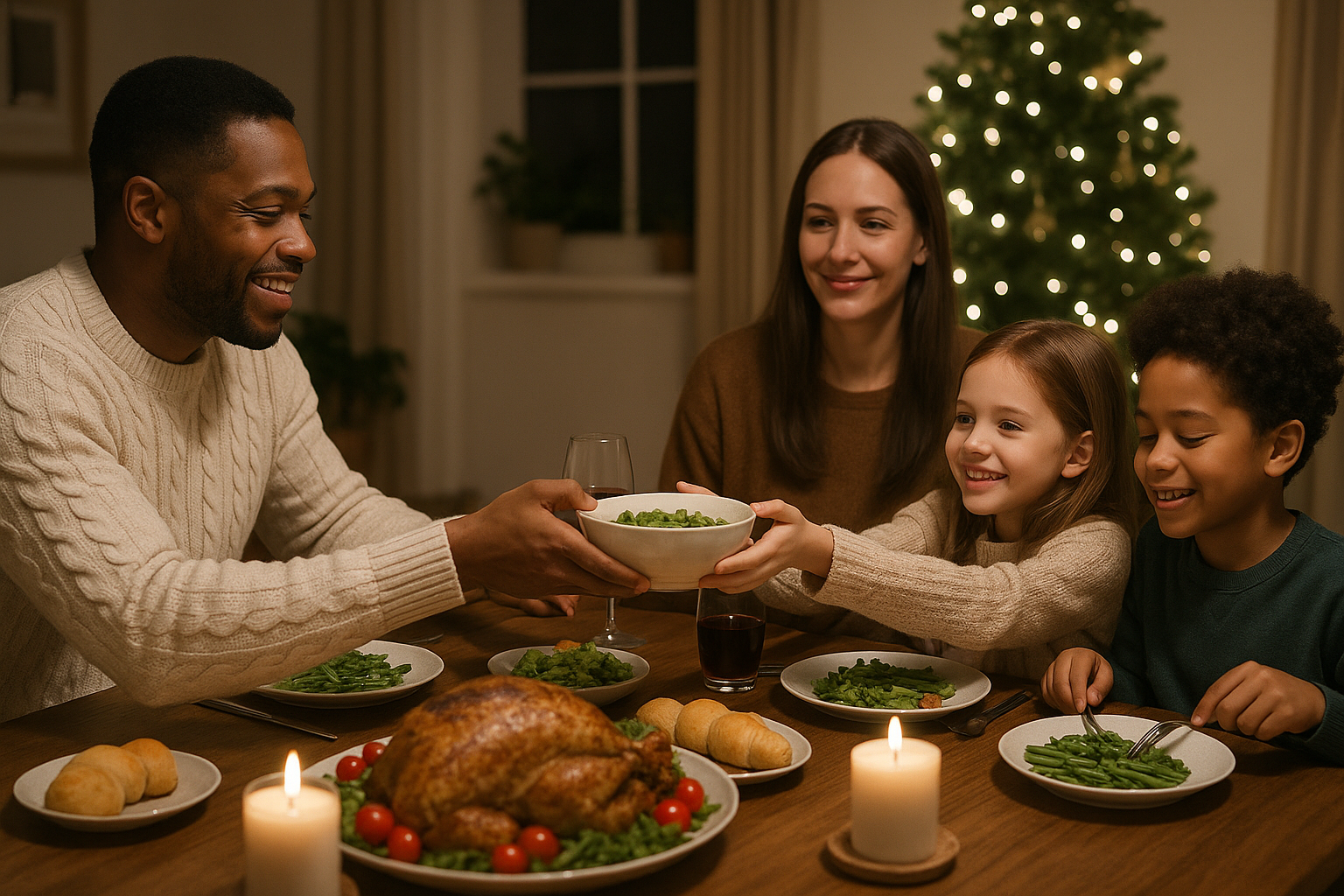
Why Rebuild Family Traditions Post-Pandemic?
The pandemic disrupted daily life and impacted how families gather and celebrate. Research shows that maintaining or adapting family rituals supports psychological well-being and resilience, helping families cope with stress and uncertainty (Communication Studies, 2024). Rebuilding traditions reassures family members, fosters belonging, and restores connection.
Key Steps to Restoring Family Traditions Post-Pandemic
| Step | Action | Why It Matters |
|---|---|---|
| 1. Open Communication | Discuss traditions, expectations, and feelings honestly. | Ensures everyone feels heard and invested (Journal of Child and Family Studies, 2023). |
| 2. Identify Rituals | List traditional activities—weekly meals, holidays, or anniversaries. | Pinpoints what matters most for your family’s connection. |
| 3. Adapt and Innovate | Adjust traditions to suit current needs—change venues, timing, or format. | Keeps traditions relevant and possible under new circumstances. |
| 4. Schedule Regularly | Set clear, consistent dates for rituals or activities. | Creates routine and builds anticipation. |
| 5. Involve Everyone | Let each family member help plan or lead activities. | Encourages buy-in and diverse ideas (Child and Youth Services, 2024). |
| 6. Reflect and Adjust | Review what’s working and make changes together. | Improves participation and satisfaction over time. |
Adapting Old and Creating New Traditions
Your family may have paused or altered traditions during pandemic restrictions. Some may feel outdated, while others could form new bonds. Research encourages adapting meaningful rituals (such as game nights or shared meals) to reinforce coping and support (Communication Studies, 2024). Try transforming old favorites or initiating new ones for changing needs.
- Virtual connections: Keep relatives engaged by holding occasional remote celebrations.
- Outdoor gathering: Move events outdoors for comfort and variety.
- Flexible timing: Adjust when, not whether, you hold beloved activities if schedules change.
- Cultural fusions: Blend family backgrounds or new influences into holiday or seasonal events.
Checklist: Building Resilient Family Traditions Post-Pandemic
- List all current and pre-pandemic rituals or traditions
- Select three most meaningful to your family
- Ask each member what makes these important
- Brainstorm ways to adapt activities to today’s circumstances
- Assign planning duties or roles for each member
- Put events on a shared family calendar
- Hold a family meeting to reflect after the event
Barriers and Limitations to Rebuilding Traditions
Some families face challenges—work schedules, health concerns, loss of community, or limited resources. Research highlights that not all opportunities are equally accessible and rebuilding may take time (Child and Youth Services, 2024). Be patient, creative, and open to change—incremental progress still strengthens bonds.
Illustrative Example: Adapting a Weekly Family Tradition
Scenario: A family of four wants to rebuild their weekly Sunday dinner tradition, last held in early 2020.
- They list old highlights: homemade pizza, everyone’s favorite games, and sharing weekly stories.
- The family discusses schedules: now two parents work late, and a child has weekend classes. Everyone votes to move the dinner to Saturday afternoons.
- To adapt for dietary changes, one member suggests a salad bar with pizza options.
- Games move to outdoors when possible for fresh air.
- Parents trade off hosting duties, so the work is shared.
- After the first month, the family holds a meeting—everyone says they feel more connected, enjoys the new foods, and values the flexibility.
Helpful Tips for Lasting Change
- Start with small, easy-to-manage routines and build up.
- Use reminders and family check-ins to sustain habits.
- Keep communication frequent and judgment-free.
- Allow traditions to evolve as family needs shift.
- Celebrate consistency and acknowledge any effort.
Where to Find More Inspiration
- Read about connecting offline in Engaging Tech-Free Family Bonding Activities.
- For seasonal ideas, see Cultivate Family Bonds With Seasonal Traditions That Last.
What to Do Next
Begin with one family conversation this week: which traditions matter most, and how could you adapt them for today? Draft a plan together and test it out—small changes can help you rediscover connection and resilience as a family.
Sources and further reading
- A U.S. National Study of Family Resilience During the COVID-19 Pandemic | Journal of Child and Family Studies | Springer Nature Link
- "Family Rituals and Coping During a Global Pandemic: A Cross-Cultural C" by Marie C. Haverfield, Roi Estlein et al.
- Family Engagement during the Pandemic: Challenges, Inequities, and Opportunities for Adaptation – SUNY Research Connect