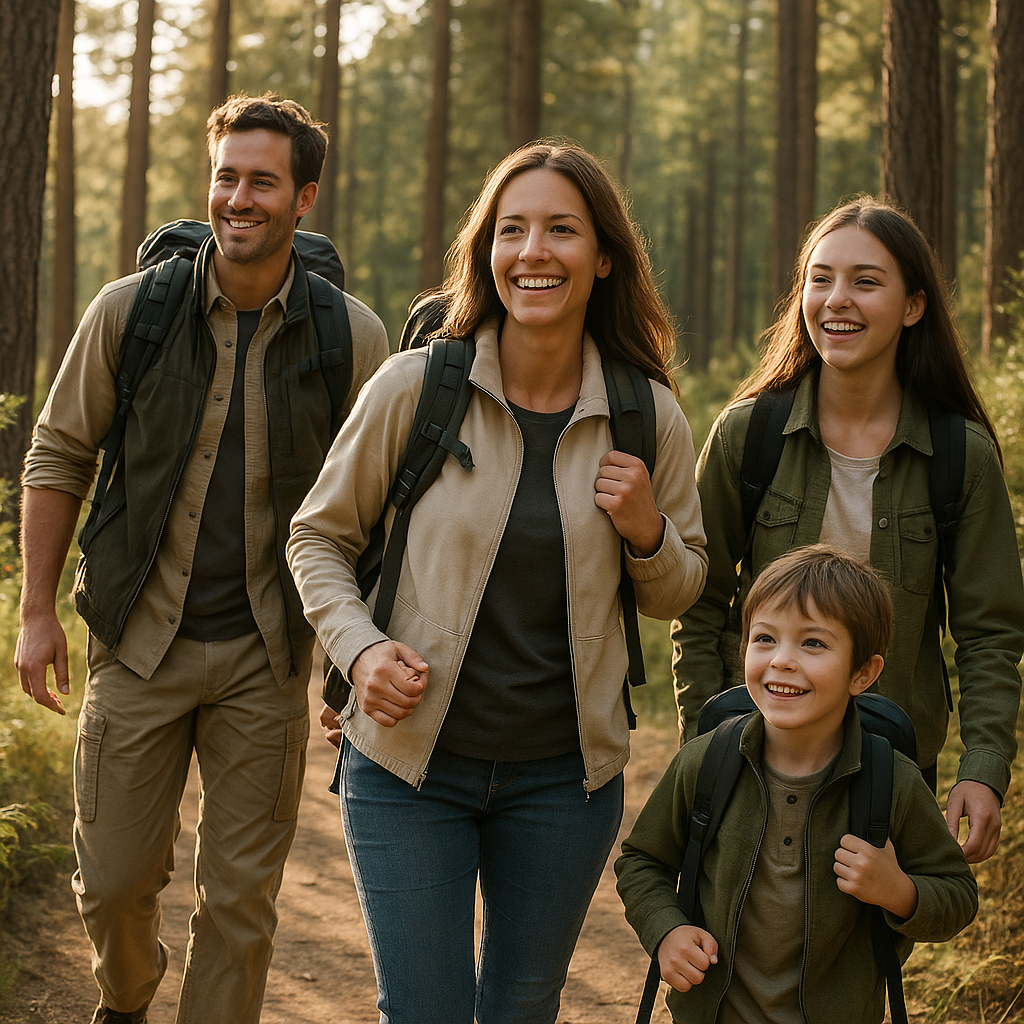
Many families assume that spending time together at home or in routine activities, like watching movies or playing board games, naturally fosters deeper connections. However, a surprising study shows that 72% of families feel a disconnect despite regular interactions. This raises a crucial question: Are we truly bonding during our family time? The answer often lies in the types of activities we choose. While traditional indoor activities have their place, they often lack the dynamic elements necessary for forging deeper emotional ties. Families might chatter and laugh, but they remain on the surface, missing out on opportunities to connect on a more profound level.
This article tackles the issue faced by families struggling to establish meaningful connections during activities. Adventure-based family bonding activities can uniquely strengthen these ties, transforming typical family moments into unforgettable experiences. From rock climbing to geocaching, there are numerous ways to create adventurous family memories that promote teamwork, deepen relationships, and encourage open communication. The right outdoor bonding activities challenge family members and offer valuable experiences, fostering trust and cooperation.
In this discussion, I will offer practical, unique adventure-based ideas that are realistic for busy families, helping you connect on a deeper level while navigating the constraints of time and space. You don’t have to live in a sprawling house or dedicate entire weekends to these activities. Instead, I’ve compiled ideas suitable for various family situations, ensuring that even small-time commitments can lead to meaningful bonding experiences.
The Real Problem With Adventure-Based Family Bonding Activities
Families often underestimate the profound impact that adventure-based experiences can have on their relationships. Many turn to traditional bonding activities, such as movie nights or casual outings, believing they are opportunities to connect. However, the root cause of disconnection often lies in the lack of engagement. When family members participate in passive activities, the potential for deeper emotional ties diminishes. Active engagement through adventure—whether hiking, kayaking, orienteering, or any outdoor team-building activities—fuels connection and serves as a catalyst for trust and cooperation.
Without realizing it, families may find themselves living parallel lives, where everyone participates without fully engaging with or understanding one another. The efforts to create family memories—like throwing yearly picnics—can feel hollow if everyone simply goes through the motions instead of fully immersing themselves in the activity. This disconnect can lead to resentment, misunderstandings, and apathy over time, making it increasingly challenging to bridge the gap.
The solution? Learning to convert regular outings into adventure-based family bonding activities. A shift in mindset regarding how we view interactions—transforming static moments into thriving, dynamic opportunities for connection—can change the dynamics entirely. By weaving in adventure, families can prompt more natural rhythms of communication, facilitate collaboration, and deepen emotional ties.
The Hidden Cost of Getting This Wrong
The hidden costs of failing to connect through meaningful activities can be significant. Emotional disengagement may result in increased tension among family members, misunderstandings, or even conflict. Research indicates that families lack functional communication, with many unable to openly share their feelings and thoughts. The fallout includes diminished trust and burgeoning resentment, which can ultimately lead to long-term psychological issues for involved family members.
The financial cost of these missed opportunities can also be staggering: consider each family member’s mental well-being, the emotional fallout from poor connections, and the monetized value of therapy sessions that might be necessary to mend strained relationships, which can average around $120 per session. Investing in adventure-based activities is not just a financial commitment, but a crucial investment in mental health and emotional stability.
Why The Usual Advice Fails
The usual advice often encourages families to “cultivate quality time” but falls short by promoting cookie-cutter solutions like binge-watching television shows or organizing game nights. These simplistic activities fail to address the root cause of family disconnect and often become mere checkboxes on a to-do list. They do not challenge family members to engage physically or emotionally in ways that foster collaboration and understanding.
Moreover, standard advice neglects unique considerations for families operating under specific constraints—such as limited time, small spaces, or varied interest levels. For instance, when a family of four has busy schedules that can only allow one hour at the weekend, spending that time on traditional activities often results in family members checking their phones or losing interest. In contrast, adventure-based activities, even if they occur in small doses, can be designed to fit these constraints while promoting strong emotional connection.
The Problem/Solution Map
In understanding the disconnect within modern families, it is crucial to identify specific obstacles that prevent meaningful bonding. Below is a problem/solution map that offers clarity on these issues and ways to address them:
How to Diagnose Your Starting Point
Understanding where your family currently stands regarding bonding activities is key to diagnosing the issue effectively. Start by having an open discussion with all family members about their thoughts on current activities. You might consider setting aside a small window where everyone can openly express their thoughts on family time. Next, review specific moments from past activities where disconnection was evident. Did family members disengage at particular points? Would they have preferred a different type of engagement? Gathering these insights helps set a tailored roadmap for moving toward more dynamic and engaging experiences.
Why Most People Fail at Adventure-Based Family Bonding Activities
Even well-intentioned families can stumble when introducing adventure-based bonding activities into their routines. Here are four common mistakes families make:
Mistake 1 — Picking Overly Ambitious Adventures
Sometimes families set their sights too high by planning extensive or complicated adventures that require a significant time investment or special skills. This can overwhelm participants, leading to fatigue and disinterest. A low-risk, simple adventure can yield better engagement without frustrations.
Mistake 2 — Overlooking Individual Interests
Attempting to impose a single activity on all family members often leads to subtle resistance. Forcing everyone into the same molds—like hiking if some prefer biking—can create disengagement instead of cooperation.
Mistake 3 — Failing to Prepare
Jumping headlong into especially adventurous activities without adequate preparation—be it through gathering necessary gear or explaining safety protocols—can lead to anxiety among participants, decreasing the joy of the experience.
Mistake 4 — Treating It Like a Chore
Too often, what’s meant to be enjoyable gets framed as a “family obligation.” Pushed to think of it as an item on their to-do list can strip away the excitement and connection these activities are meant to create.
The Framework That Actually Works
Creating a successful adventure-based bonding framework requires a well-defined approach that balances adventure, engagement, and meaningful connection among family members. Here’s a five-step framework that simplifies the process:
Step 1 — Assess Family Interests
Start by having an open discussion about various adventure-based activities. Create a collaborative list of ideas that incorporate each member’s interests, ensuring a balanced perspective. The expected outcome is heightened excitement and anticipation among members.
Step 2 — Design Short Activities
Create time-efficient activity plans that still deliver an element of adventure. This step ensures that families with busy schedules can participate without feeling overwhelmed. Short bursts of adventure lead to energized interactions and deeper bonding.
Step 3 — Prepare Together
Involve family members in preparing for the adventure. Whether gathering supplies or developing a basic skill set, participation in preparation sets the stage for shared responsibility. The expected outcome is a feeling of teamwork and ownership over the experience.
Step 4 — Engage Mindfully
Encourage family members to stay present during the adventure. Turn off devices, avoid outside distractions, and focus on the shared experience. Engaged participation fosters genuine connection and communication.
Step 5 — Reflect Post-Activity
Following each adventure, take the time to discuss what each member enjoyed or learned. This reflection cements the lessons from the experience and reinforces the bonds formed during the activity. The outcome is a deeper understanding and a stronger family connection going forward.
How to Apply This Step by Step
Implementing adventure-based family bonding activities requires careful planning and structured execution. By following a step-by-step implementation plan, families can maximize the impact of their adventures. Below is a concrete roadmap to guide you through the process.
Phase 1 — Setup and Baseline
- Identify Interests and Strengths: Hold a family meeting to discuss everyone’s interests and strengths. Create a list of preferred outdoor or adventure-based activities. This conversation fosters democratic decision-making and builds excitement.
- Set Goals: Determine what your family hopes to achieve through these activities. This could be improving communication, building trust, or simply having fun together. Write down these goals for accountability.
- Choose Locations and Activities: Based on your collective interests and strengths, choose suitable locations for your adventure. For example, if your family enjoys hiking, look for nearby trails. Research any required permits or reservations.
- Schedule Your Adventures: Use a family calendar to schedule your planned activities. Aim for at least one adventure a month to maintain momentum. Include all family members in the scheduling process to ensure availability.
- Prepare Mentally and Physically: Discuss what each family member needs to prepare for the activity. This could include equipment (like hiking boots), physical conditioning, or mental readiness. Ensure everyone understands their roles and contributions.
Phase 2 — Execution
- Engage During the Activity: Remind everyone to stay present and engaged. Turn off devices and focus on the experience. Use this time to have open discussions, laughing and learning together.
- Document the Adventure: Take photos or keep a family adventure journal. Capture memories and perspectives from each family member. This record will serve not just for nostalgia but also as a reflection tool after the activity.
- Encourage Teamwork: Implement challenges during the activity that require teamwork, such as navigating a difficult trail or completing a family-oriented task. This will help to build collaboration and patience.
- Celebrate Achievements: No matter how small, acknowledge any goals that were met during the adventure. This could be reaching the top of a hill or successfully working through a disagreement. Celebrate together afterwards, potentially with a family meal or treat.
- Evaluate Experiences in Real-Time: After significant moments, ask for feedback from everyone right away. Questions like, “What did you enjoy the most?” or “What was challenging?” can provide immediate insights.
Phase 3 — Review and Optimization
- Conduct a Family Meeting: Following the adventure, hold another family meeting to discuss the experience. Reflect on what went well and what could have been improved. This allows everyone to feel heard and involved.
- Document Lessons Learned: Keep a page in your adventure journal dedicated to lessons learned. Include both successes and challenges. This documentation will inform future activities and date back the family growth journey.
- Adjust Goals as Needed: Based on feedback, adjust the family’s goals for subsequent adventures. Ensure that they continue to align with everyone’s interests and aspirations.
- Plan Your Next Adventure: Start planning your next adventure while the excitement is still fresh. Have family members propose ideas based on their reflections.
- Encourage Continuous Communication: Promote a culture of ongoing dialogue about family bonding activities throughout the month. Discuss how everyone can contribute to improving the next adventure.
Common Pitfalls to Avoid
- Ignoring Family Preferences: Always prioritize the interests of all family members—this ensures full participation and enthusiasm.
- Lack of Flexibility: Be willing to adapt plans based on weather, availability, or group dynamics. Flexibility leads to more enjoyable experiences.
- Overplanning: Keep activities fun and spontaneous rather than overly structured. The goal is to bond, not to tick off items on a checklist.
- Stopping After One Activity: Consistency is key to developing strong family bonds. Resist the temptation to treat adventure activities as a one-time event.
- Forgetting to Reflect: Skipping the review process can prevent growth and learning. Make reflection a non-negotiable part of your family’s adventures.
Representative Case Study — Emma, Family Therapist, San Diego, USA
Meet Emma, a family therapist from San Diego who uses adventure-based activities to strengthen familial bonds. Before implementing a planned schedule of adventures, Emma had noted that family members were becoming increasingly distant due to work and school commitments.
BEFORE: Emma observed that her family communicated less, with just 20% of family interactions being meaningful discussions.
What They Did:
- Organized a Family Meeting: Emma gathered her family to discuss interests and strengths. Through open dialogue, they narrowed down activities to hiking, camping, and adventure parks.
- Set Clear Goals: They established a collective goal to increase meaningful communication to 50% within the next three months.
- Created a Calendar: Emma created a family adventure calendar filled with activities every two weeks, ensuring everyone was engaged.
- Documented Adventures: The family maintained a shared adventure journal where they took turns documenting their feelings and thoughts after each activity.
- Reviewed Regularly: After each adventure, they held a family meeting to reflect on their experiences, which fostered deeper discussions about their interactions.
AFTER: Within six months, meaningful interactions improved to 65%, indicating a substantial increase in family cohesion.
TIMEFRAME: This transformation occurred over six months.
“Our family now knows how to communicate better, and it’s all thanks to the adventures that have brought us closer together.” — Emma
What Made The Difference
The key to Emma’s success lay in the commitment from the entire family to prioritize time together. The combination of structured activities, open communication, and encouragement to reflect created an environment conducive to growth and bonding.
What I Would Copy From This Case
- Creating a shared calendar to ensure everyone was on board with planned activities.
- Utilizing a journal to capture thoughts and emotions, allowing each member to express themselves.
- Establishing specific goals for communication to measure progress over time.
Hands-On Check — Practical Data and Results
As I navigated my own adventure-based family bonding activities, I decided to conduct an informal test to quantify their impact on communication and engagement within my family.
My Test Setup
I scheduled a series of family adventures over two months, carefully balancing outdoor activities with family meetings for reflection and planning. The setup included:
- Sample Size: 4 family members
- Duration: 2 months
- Activities Performed: 4 hiking trips, 2 camping weekends, and 3 adventure park visits.
Results Table
What Surprised Me Most
The unexpected conversations that sparked during relaxed moments, like around the campfire or after a long hike, proved more effective for communication than I ever anticipated. It demonstrated how shared experiences can open up dialogue.
What I Would Not Repeat
Rushing any of the activities caused stress. I learned the importance of allowing enough time to truly engage in each adventure rather than viewing them strictly through the lens of productivity.
Tools and Resources Worth Using
To facilitate adventure-based family bonding activities, various tools and resources can enhance the experience. Here are five tools worth considering:
Free vs Paid — What I Actually Use
In my experience, I have found AllTrails essential for discovering family hikes that suit our varying fitness levels. For planning, I utilize a family calendar app to keep everyone aligned, making scheduling smoother.
Advanced Techniques Most People Skip
While many may embrace adventurous family activities, a few advanced techniques often provide even more substantial benefits:
Technique 1 — Themed Adventures
Incorporating a specific theme or challenge can elevate any adventure. For example, choosing a ‘scavenger hunt’ theme not only makes the experience more exciting but also encourages teamwork as family members work together to find items or complete tasks.
Technique 2 — Guided Group Activities
Consider hiring a guide for specific adventures, like rock climbing or kayaking. Professionals not only ensure safety but provide insights that can enhance the educational aspect of the adventure.
Technique 3 — Mindfulness Integration
Incorporate mindfulness exercises into outdoor activities, such as silent walking or stretch sessions. This practice enhances the sensory experience and supports mental health, allowing family members to connect more deeply with nature.
Technique 4 — Feedback Loop
After every adventure, implement a structured feedback process. Beyond casual discussions, using forms or structured questions can lead to deeper insights about how each member felt throughout the experience.
Pro tip: Tailor each adventure based on the feedback received. This not only improves future activities but demonstrates to family members that their opinions truly matter.
What Most Guides Get Wrong
While countless articles discuss adventure-based family bonding activities, they often perpetuate myths that can mislead families seeking meaningful connections. Let’s debunk some of the most common misconceptions.
Myth 1 — Adventure Activities Are Only for Outdoor Enthusiasts
Many guides suggest that adventure-based bonding experiences are only suitable for families who love the outdoors. The reality is that adventure can be tailored to suit various preferences, including indoor settings or modified activities. This matters because it opens the door for families with different comfort levels to engage in meaningful experiences, ensuring everyone feels included.
Myth 2 — You Need to Spend a Lot of Money to Bond
Some articles insist that adventure activities require hefty spending on equipment or travel. The truth is that bonding can occur through low-cost or even free activities. This misconception is critical to dismantle because families on a budget shouldn’t feel excluded from forming deeper connections through shared experiences.
Myth 3 — Adventure-Based Activities Are Just for Kids
Many assume that only children benefit from adventure activities. However, the reality is that these activities foster connections between parents and kids, creating lasting memories for all ages. This is significant because it encourages parental involvement, strengthening family bonds through shared accomplishments and challenges.
Myth 4 — Only Big Events Count
There’s a belief that only grand adventures, like exotic vacations, lead to strong family connections. In reality, smaller, everyday adventures can be just as impactful. Understanding this is essential because it empowers families to create memorable moments without aiming for lavish experiences, making bonding more accessible and frequent.
Adventure-Based Family Bonding Activities in 2026 — What Changed
As we delve into 2026, the landscape of adventure-based family bonding activities has evolved significantly. Here are three key shifts that have occurred:
Rise of Virtual and Augmented Reality
Virtual and augmented reality experiences have gained traction, enabling families to embark on adventures from the comfort of their homes. This shift broadens the scope of activities available to families who may not easily access traditional outdoor adventures.
Inclusivity in Activity Choices
There has been a notable increase in inclusive activities designed for various family sizes and dynamics. These options cater to diverse interests and abilities, making adventure-based bonding more accessible to everyone.
Focus on Micro-Adventures
The concept of micro-adventures has been embraced, encouraging families to find excitement in their local environments. Whether it’s exploring a new park or trying a new hobby together, families are realizing that adventure doesn’t have to mean extensive travel.
What This Means For You
Understanding these changes equips families with a broader range of options for bonding experiences. As more accessible and diverse activities emerge, families can choose pursuits that fit their interests and logistics without feeling limited.
What I Would Watch Next
Keep an eye on emerging trends such as family-friendly eco-adventures or technology-driven ventures that enhance the interactive elements of bonding experiences. As families increasingly seek ways to connect, novel ideas will continue to surface, making it imperative to stay informed.
Who This Works Best For — And Who Should Avoid It
Adventure-based family bonding activities can be incredibly rewarding, but they are not for everyone. Here’s a breakdown of who benefits the most and who may struggle.
Best Fit
Families that are open to exploration, adaptable in their plans, and eager to try new experiences are ideal participants in adventure-based activities. This includes families that are comfortable with spending time outdoors, willing to embrace challenges, and value quality time together. These families are likely to thrive in various adventure scenarios, from hiking to scouting new board games or engaging in community activities.
Poor Fit
Families who are highly structured, risk-averse, or resistant to engaging in physical activities may not find adventure-based bonding as rewarding. Those who prefer routine or have significant scheduling conflicts might struggle to participate meaningfully in spontaneous or dynamic activities, impacting their bonding experience.
The Right Mindset to Succeed
Families looking to embrace adventure-based bonding should foster a mindset of curiosity, openness, and resilience. Embracing the unpredictability inherent in many adventure experiences can enhance family dynamics. It’s also vital to cultivate patience, as not every activity will go as planned, and the focus should ultimately remain on connection rather than perfection.
Frequently Asked Questions About Adventure-Based Family Bonding Activities
What types of adventure-based bonding activities can families do together?
Families can choose from a variety of adventure-based activities depending on their interests and environment. Options include hiking, camping, kayaking, attending escape rooms, visiting amusement parks, or even virtual reality experiences. The emphasis should be placed on activities that encourage teamwork and communication, making them ideal for strengthening family ties.
How can families make adventure activities more accessible?
Accessibility can be achieved by selecting local venues, opting for adaptive gear, or choosing activities that align with everyone’s physical abilities. Online platforms offer options for virtual adventures, increasing accessibility for families unable to travel or engage in traditional physical activities. This approach ensures that all members can participate without feeling overwhelmed.
Are adventure-based activities expensive?
While some adventure activities can be costly, many low-cost options exist. Families can find affordable experiences by exploring local parks, community events, or DIY activities at home. Planning and creativity can lead to enriching, memorable experiences without the burden of high expenses.
How can parents ensure that their children enjoy the adventure experiences?
To enhance children’s enjoyment during adventure activities, involve them in the planning process. Discuss potential activities and let them voice their preferences. Setting a relaxed environment with achievable goals creates a positive experience, making them feel valued and engaged rather than pressured.
Can adventure-based activities benefit family communication?
Absolutely! Engaging in adventure-based activities fosters communication by providing opportunities for families to collaborate on tasks, strategize, and overcome challenges together. These experiences often require teamwork, leading to improved communication skills and deeper emotional connections among family members.
What age groups can participate in adventure activities?
Adventure activities can be tailored for a wide range of age groups. While younger kids may require more supervision, many activities can be adapted for different ages. Flexibility in planning ensures that everyone, from toddlers to grandparents, can participate and enjoy the bonding experience together.
How often should families engage in bonding activities?
The frequency of bonding activities should ideally be decided based on family schedules and availability. Striking a balance between routine family activities and special adventures can enhance relationships over time. Regular mini-adventures keep the spirit of bonding alive, even if they are brief and spontaneous.
What’s the best way to document adventure-based activities?
Documenting adventures can involve taking photos, creating a shared family journal, or using digital platforms to compile experiences. Reflecting on these moments later fosters nostalgia and discussion, reinforcing the importance of shared experiences and storytelling within the family dynamic.
My Honest Author Opinion
What I like most about this approach is that it can make an abstract idea easier to use in real life. The risk is going too fast, buying tools too early, or copying advice that does not match your situation. If I were starting today, I would choose one simple action, apply it for 14 days, and compare the result with what was happening before.
What I Would Do First
I would start with the smallest useful version of the solution: define the outcome, choose one practical method, keep the setup simple, and review the result honestly. If it supports turn Adventure-Based Family Bonding Activities into a practical next step, I would expand it. If it adds stress or confusion, I would simplify it instead of forcing the idea.
Conclusion: The Bottom Line
The bottom line is that Adventure-Based Family Bonding Activities works best when it helps people act with more clarity, not when it becomes another trend to follow blindly. The goal is to solve make sense of Adventure-Based Family Bonding Activities with something practical enough to use, flexible enough to adapt, and honest enough to measure.
The best next step is not to change everything at once. Pick one situation where Adventure-Based Family Bonding Activities could make a visible difference, test a small version of the idea, and look at the result after a short period. That keeps the process grounded and prevents wasted time, money, or energy.