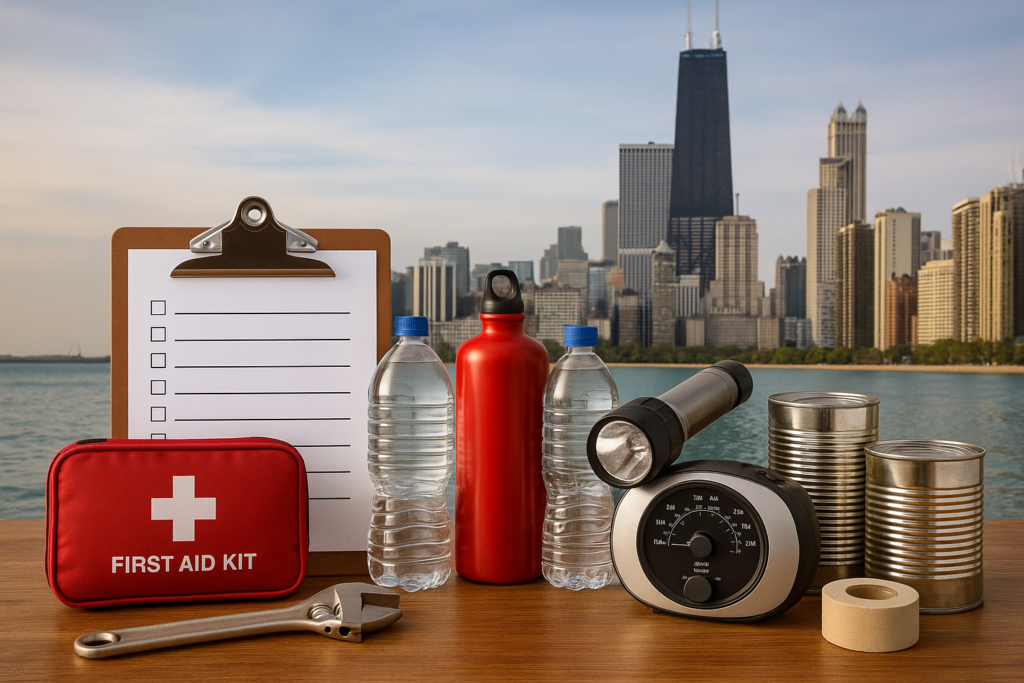
Chicago earthquake preparedness means taking practical steps now to reduce risks and keep your family safe if a quake strikes. Despite being far from the West Coast, the city can be affected by seismic activity from distant fault zones, so it’s important to have a plan, supplies, and know what to do during and after an earthquake.
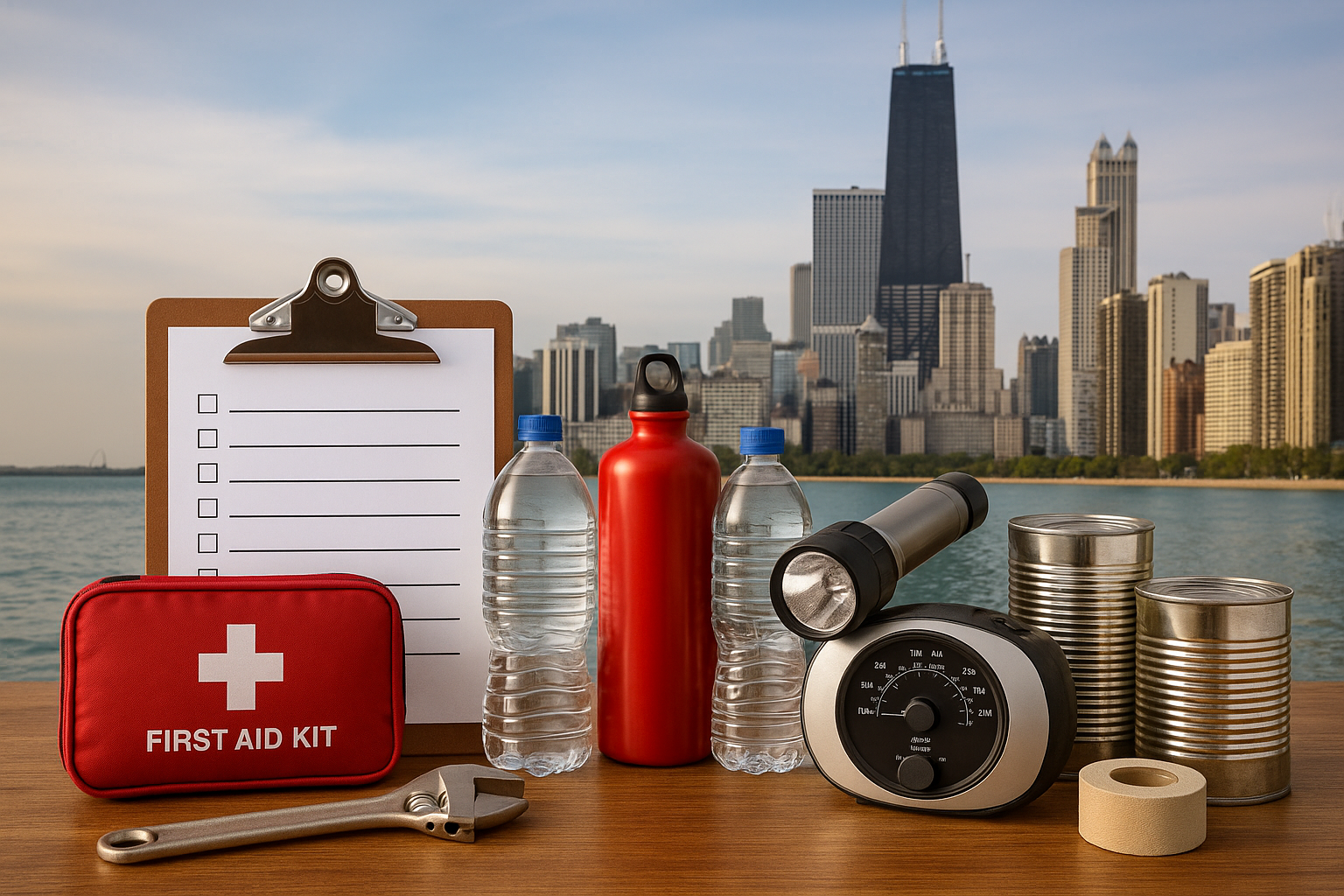
Understanding Chicago’s Earthquake Risk
Illinois isn’t widely known for earthquakes, but the city of Chicago could still feel tremors from the New Madrid and Wabash Valley Seismic Zones. The Illinois Emergency Management Agency (IEMA) recommends all residents be prepared, since even moderate shakes can cause injuries and damage unsecured items in your home. Source: IEMA
Chicago Earthquake Preparedness: Key Actions
Chicago earthquake preparedness boils down to three essential tasks: planning, preparing your supplies, and securing your home. Use this checklist to make your household more resilient.
| Action | Details | Frequency |
|---|---|---|
| Make a family plan | Set meeting points, emergency contacts, communication plan | Review annually or after major changes |
| Assemble supply kit | Water, food, flashlight, batteries, first aid, medications | Check every 6 months |
| Secure heavy furniture | Anchor bookcases, TVs, and cabinets to wall studs | Check annually, after moving furniture |
| Practice Drop, Cover, Hold On | Teach and drill family members | Practice twice a year |
| Locate safe spots | Under sturdy tables/desks, away from windows | Reassess if rearranging rooms |
| Have important documents ready | IDs, medical info, insurance in grab-and-go folder | Update as needed |
Step 1: Make a Family Earthquake Plan
- Assign responsibilities: Who grabs which supplies? Who checks on pets or neighbors?
- Establish meeting points: Agree on safe indoor and outdoor meeting spots.
- Designate emergency contacts: Choose out-of-area contacts and ensure everyone memorizes numbers.
- Plan for all abilities: Include steps for young children, seniors, or anyone with special needs.
Rehearse your plan regularly. Discuss safe actions to take during and after an earthquake. Source: IEMA Preparedness Guide
Step 2: Assemble an Emergency Supply Kit
Store enough essentials for all household members for at least 72 hours. Recommended items include:
- Water (1 gallon per person, per day)
- Non-perishable food and manual can opener
- Battery-powered flashlight and radio
- Extra batteries
- First aid kit and critical medicines
- Personal hygiene items
- Copies of vital records
- Cash in small bills
- Sturdy shoes and warm clothing
Customize the kit for infants, pets, or special medical needs. Review supplies every six months to keep them fresh.
Step 3: Secure Your Home
Injuries often occur when household objects fall or shatter during shaking. Take these steps to reduce hazards:
- Use straps or brackets to anchor bookcases, TVs, and tall furniture to wall studs.
- Install latches on cabinet doors to prevent contents from spilling.
- Move heavy or breakable items off high shelves.
- Keep beds away from windows, mirrors, and hanging pictures.
Regularly inspect and reinforce these measures as you move or rearrange belongings.
What to Do During an Earthquake
If you feel shaking or receive an alert, follow the recommended “Drop, Cover, and Hold On” procedure:
- Drop to your hands and knees (prevents falling).
- Cover your head and neck under a sturdy table or desk.
- Hold On to shelter until shaking stops.
If indoor shelter isn’t available, protect your head with your arms and move away from exterior walls and windows.
Do not run outside during shaking. If outside, move to an open area away from buildings, streetlights, and power lines. If driving, pull over safely and remain in the car. Source: CDC Earthquake Safety
Afterwards: Safety Checks and Communication
- Check yourself and others for injuries; provide first aid as needed.
- Inspect for hazards (gas leaks, damaged wiring, structural cracks). Do not use open flames if you smell gas.
- Use text messages or social media to communicate—phone lines may be overloaded.
- Expect aftershocks. Be prepared to Drop, Cover, and Hold On again.
- Follow official updates from emergency services and the media.
Illustrative Example: Building a Family Preparedness Checklist
Assume: Family of four (two adults, two children), one dog, and one elderly grandparent in Chicago.
- Emergency plan covers evacuation routes, two meeting spots, and contacts in another city.
- Supply kit includes 12 gallons water, 9 meals per person, medications, one flashlight, three sets of spare batteries, and extra pet food.
- All bookshelves and TVs anchored with brackets. Fragile dishes moved to lower cabinets. Beds repositioned away from windows.
- Family practices Drop, Cover, and Hold On twice yearly, adapting to home changes.
This example shows how each household adjusts the checklist to its unique needs and regularly rehearses safety steps.
Limitations and Special Considerations
No checklist can assure complete safety, especially if buildings are very old or unreinforced. Residents in high-rises should note building-specific procedures and evacuation guidance. For renters, some steps (like furniture anchoring) may require landlord approval. Review local official guidance for updates or neighborhood-specific risks.
Next Step
Take 30 minutes to walk through your home and identify items on this checklist that need attention. For more on earthquake hazards elsewhere, see Unpacking the San Andreas Fault: Latest Findings in Earthquake Preparedness.