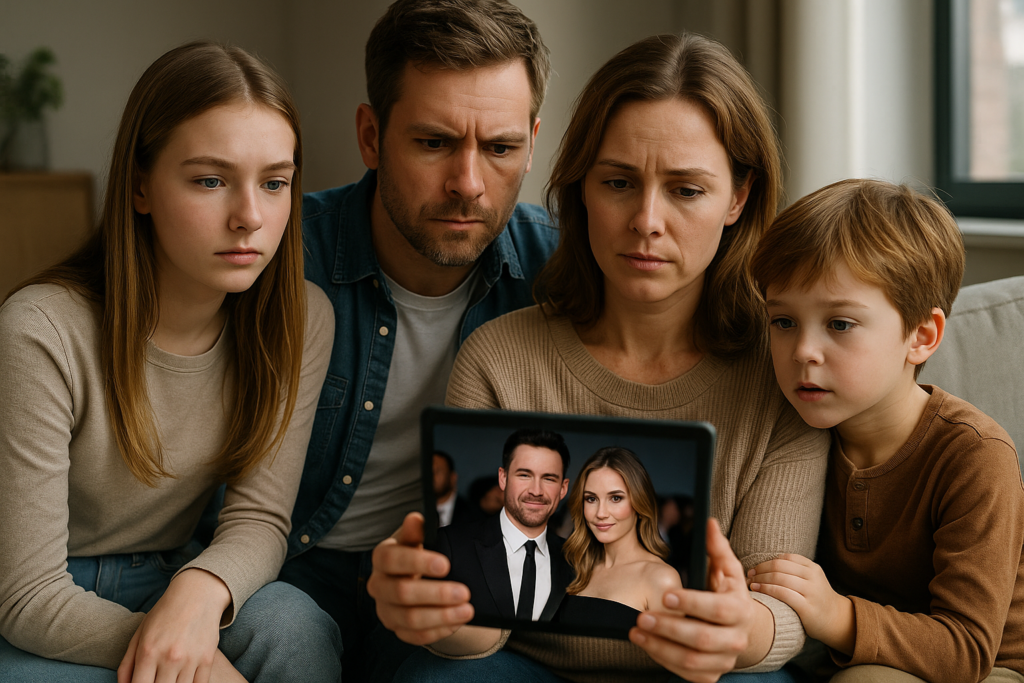
Celebrity influence on family dynamics in 2026 can affect how families talk, play, and share online. Understanding this influence helps you set healthy boundaries for your family and support positive relationships. Here’s how to navigate these effects with evidence-based strategies and concrete actions for your household.
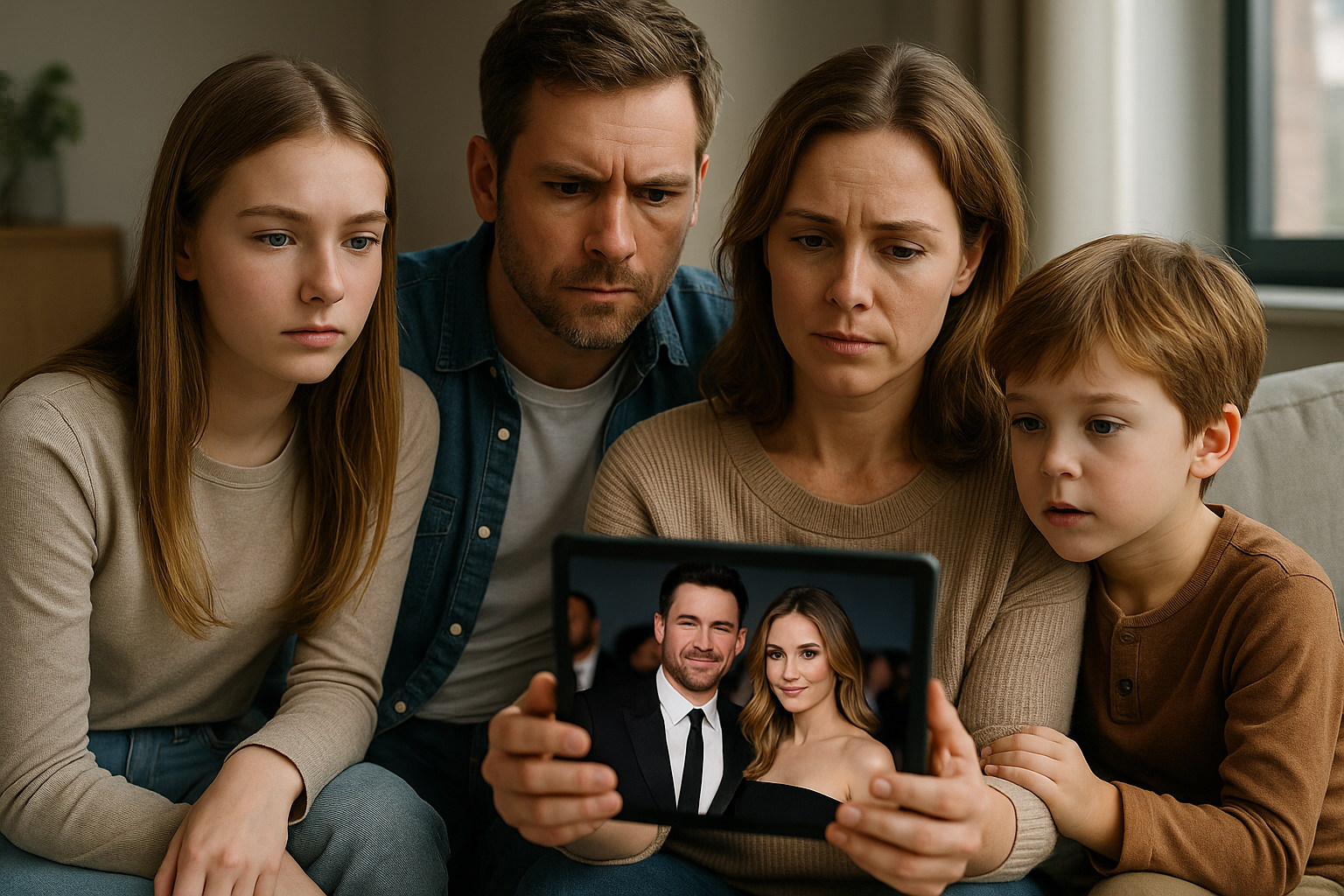
Understanding Celebrity Influence on Family Life
Celebrity culture shapes family life through many channels. From social media personalities to TV characters, public figures can affect family conversations, behavior, and even parenting choices. Families may notice changes in play styles, aspirations, or the ways members communicate online. Recognizing where these influences come from allows you to respond thoughtfully rather than react impulsively.
How Social Media Impacts Family Dynamics
Social media often showcases celebrities’ lives and parenting styles. But research finds that typical variations in social media use, whether among parents or teens, generally do not harm the quality of family relationships. A large six-year study found that regular, everyday use was not directly linked to negative shifts in family connection or communication (Journal of Youth and Adolescence).
Despite concerns, most families are resilient to moderate online celebrity exposure. However, extreme cases—such as over-immersion in influencer culture—may require special attention. Stay attentive but don’t assume all social media puts family bonds at risk.
Children, Influencers, and ‘Sharenting’
Some families actively share their children’s lives online, often inspired by influencers who show their own kids in branded content. This practice, called “sharenting,” is shaped by social and economic pressures. Studies show that the responsibility of managing a child’s public image now often falls to parents (Institutionalized Sharenting).
If your family feels pressured by the influencer economy, discuss together what you want to keep private. Consider not only your own values but also the future digital autonomy of your children.
TV Shows and The ‘Heeler Effect’
Even children’s TV shows can impact how families interact. For example, the popular show “Bluey” encourages playful parent-child interactions. Researchers found that families sometimes adopt behaviors modeled by TV characters, a bidirectional process known as the “Heeler Effect.” This means both kids and parents can inspire changes in each other’s play habits after engaging with such media (Journal of Research in Childhood Education).
The key takeaway: positive representation in media can foster more playful, involved parenting—if families are deliberate about what they adopt.
Checklist: Healthy Family Responses to Celebrity Influence
| Action | Purpose |
|---|---|
| Monitor family media consumption | Identify recurring celebrity-driven messages |
| Discuss celebrity behavior openly | Foster critical thinking about what you see online |
| Set and review content boundaries | Clarify what’s suitable for your household |
| Model privacy and respect online | Demonstrate responsible ‘sharenting’ practices |
| Identify positive role models | Channel celebrity influence into healthy behavior |
Setting Boundaries and Opening Communication
Start by talking with your family about who you follow, what you watch, and why. Encourage questions and diverse viewpoints—this builds resilience and reduces the negative impact of unrealistic celebrity portrayals. Establish clear family guidelines for social posts, especially when children are involved, so everyone knows what is appropriate to share online.
Illustrative Example: Family Content Review Discussion
Assumption: The Nguyen family has two school-age children and are considering letting them follow celebrity family accounts on social media.
- Step 1: Parents list possible celebrity accounts (e.g., family vloggers, actors known for children’s shows).
- Step 2: Together, the family discusses what sorts of posts feel inspiring, funny, or uncomfortable.
- Step 3: Parents explain their own boundaries and ask the kids for input—what would make them feel proud or embarrassed if shared online?
- Step 4: The family agrees to follow only accounts that represent positive relationships and to avoid sharing personal moments without mutual consent.
This transparent review process helps balance curiosity with safety and keeps all voices heard.
Practical Limitations and Context
The direct effects of celebrity influence may look different depending on your culture, socioeconomic context, or individual family experience. The evidence above draws from specific studies focused on western contexts and may not reflect every household’s situation. Regular research updates and family discussions help keep your approach relevant (Journal of Youth and Adolescence).
Additional Resources on Family Dynamics
- Understanding Family Dynamics: Strengthening Relationships Today
- Master Adapting to Changes in Family Dynamics for Peace
- Understanding the Emotional Impact of AI on Family Dynamics
Next Step
Plan a family meeting to review your media and online sharing habits this week. Use the checklist above to start an open discussion—this will clarify your values, set boundaries, and help every member feel heard about celebrity-driven family influences.