
Unconventional family bonding activities—those that break from routine games or movie nights—can spark genuine connection. These activities, especially those involving physical or creative engagement, foster better communication, relaxation, and lasting memories. Choosing unique experiences helps families build trust and empathy in ways daily routines rarely offer.
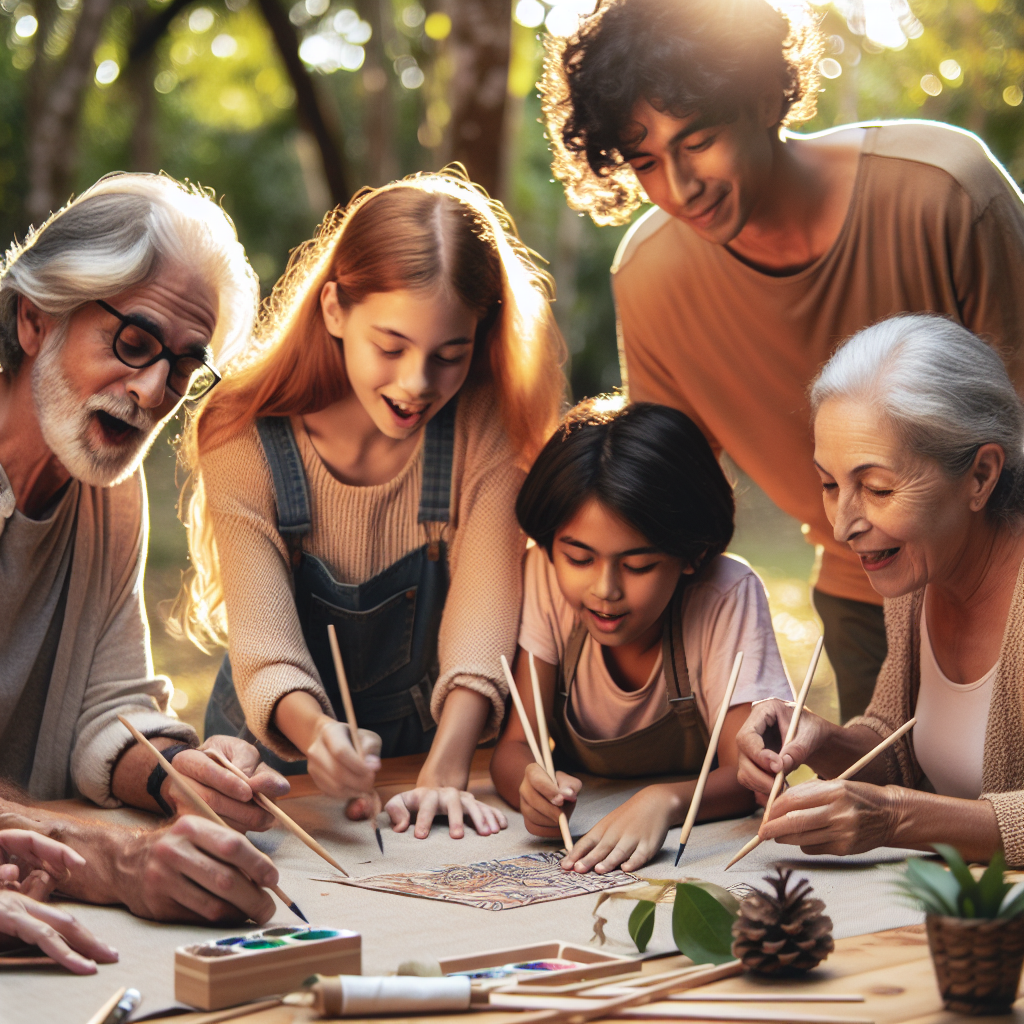
Why Try Unconventional Family Bonding?
Families often struggle to move beyond surface-level interactions. Evidence shows that shared, unusual experiences deepen communication, boost mutual understanding, and help relieve stress within the family unit. Participating in adapted physical activity camps or outdoor nature activities, for example, can create a non-judgmental environment and encourage teamwork among all ages Psychology of Sport and Exercise, Leisure Sciences.
Unconventional Family Bonding Activities Overview
| Activity | What Makes It Unconventional? | Key Benefits |
|---|---|---|
| Adapted physical activity camp | Typically for specific needs; everyone participates equally | Enhanced communication, reduced stress, shared confidence |
| Family nature art project | Combines outdoor time and creative expression | Teamwork, mindfulness, conversation |
| Nighttime outdoor storytelling | Communication and creativity in a new setting | Gets everyone talking, strengthens bonds |
| Role-reversal home challenge | Children and adults swap daily responsibilities | Empathy, appreciation, understanding |
| Community volunteering as a family | Engagement outside the home, shared goals | Social growth, teamwork, shared pride |
Step-by-Step: Planning an Unconventional Family Bonding Activity
- Assess interests and limitations. Discuss everyone’s preferences, physical abilities, and comfort levels. Consider accessibility—for instance, an adapted camp if someone has specific needs.
- Explore unique options in your area or online. Look for events or spaces that offer new experiences outside the home.
- Choose an activity together. Give every family member an equal say. This builds buy-in and ensures enjoyment.
- Set clear, shared intentions. Agree on a goal: it might be to communicate better, learn something new, or simply relax together.
- Prepare as a team. Assign tasks based on age and ability—gathering materials, cooking, packing, or researching rules.
- Participate fully—no distractions. Phones off; everyone is present. Focus on the moment rather than outcomes.
- Reflect afterward. Share highlights and learnings; discuss what to try next time or how to make the experience more inclusive.
Nature-Based Bonding
Research shows that family activities in natural settings offer unique psychological benefits. Spending time outdoors together can make conversation easier and reduce everyday tensions Leisure Sciences. Consider: guiding a night hike by flashlight, building a driftwood sculpture by a lake, or doing a mindfulness walk and sharing observations afterwards.
Physical Activity with a Twist
Adapted camps are not only about sports—they are inclusive experiences. Parents, siblings, and children take part equally, creating space for empathy and mutual support. Siblings may gain responsibility and confidence as they help one another during challenges Psychology of Sport and Exercise.
Illustrative Example: Choosing a Physical Bonding Activity
Assume your family includes two adults, one teenager, and one 10-year-old with mobility limitations. You consider:
- Option A: Local ropes course (not accessible for all members)
- Option B: Adapted bowling at a special-needs-friendly alley
- Option C: Home-based yoga session with online adapted instruction
Checklist for decision:
- Everyone can participate fully: Bowling and yoga
- Novel experience: Bowling
- Low cost: Yoga
The family chooses adapted bowling—for its novelty and full accessibility. Afterward, reflection reveals that all enjoyed the shared challenge and appreciated each other’s efforts.
Creative Challenges for Family Insight
Creative pursuits like collaborative storytelling, building a family mural, or role-swapping household tasks can reveal individual strengths and spark meaningful conversations. These activities fuel empathy and let members see situations from new perspectives, as confirmed by studies on family engagement and communication CDC.
Checklist: Planning Your Unconventional Activity
- Did everyone contribute an idea?
- Does the activity allow each person to take part?
- Is there a new experience or challenge involved?
- Have you scheduled a time free from external obligations?
- Does it minimize use of technology or distractions?
- Have you agreed on a shared outcome or intention?
- Will you take time to reflect together afterward?
Embracing Community and Ongoing Engagement
Involvement in community projects, local environmental clean-ups, or public group art can powerfully connect families to each other and to the wider world. Studies link this participation with social skill growth and improved academic outcomes in children CDC. Make volunteering or shared learning an occasional family ritual for ongoing connection.
Explore Further
If you found these ideas useful, you may also like our guides on creative family bonding activities for summer and tech-free family bonding. Remember to tailor each activity to your family’s unique needs and revisit what works best after each experience.
Next step: Set aside an afternoon this month for an unconventional bonding activity—gather your family for open planning, and use the checklist above to guide your decisions.


Pingback: Digital detox families: A Practical Guide
Pingback: Adventure-Based Bonding Activities to Strengthen Family Ties
Pingback: Tech-Free Family Bonding Activities for Stronger Connections