If you’ve heard about recent lawsuits targeting credit bureaus or lenders, you may wonder how these cases impact you—and what your rights or next steps are. The latest lawsuits affecting consumers focus on credit report accuracy, proper loan servicing, and wrongful auto repossessions. Understanding them helps protect your finances and provides concrete steps if problems arise.
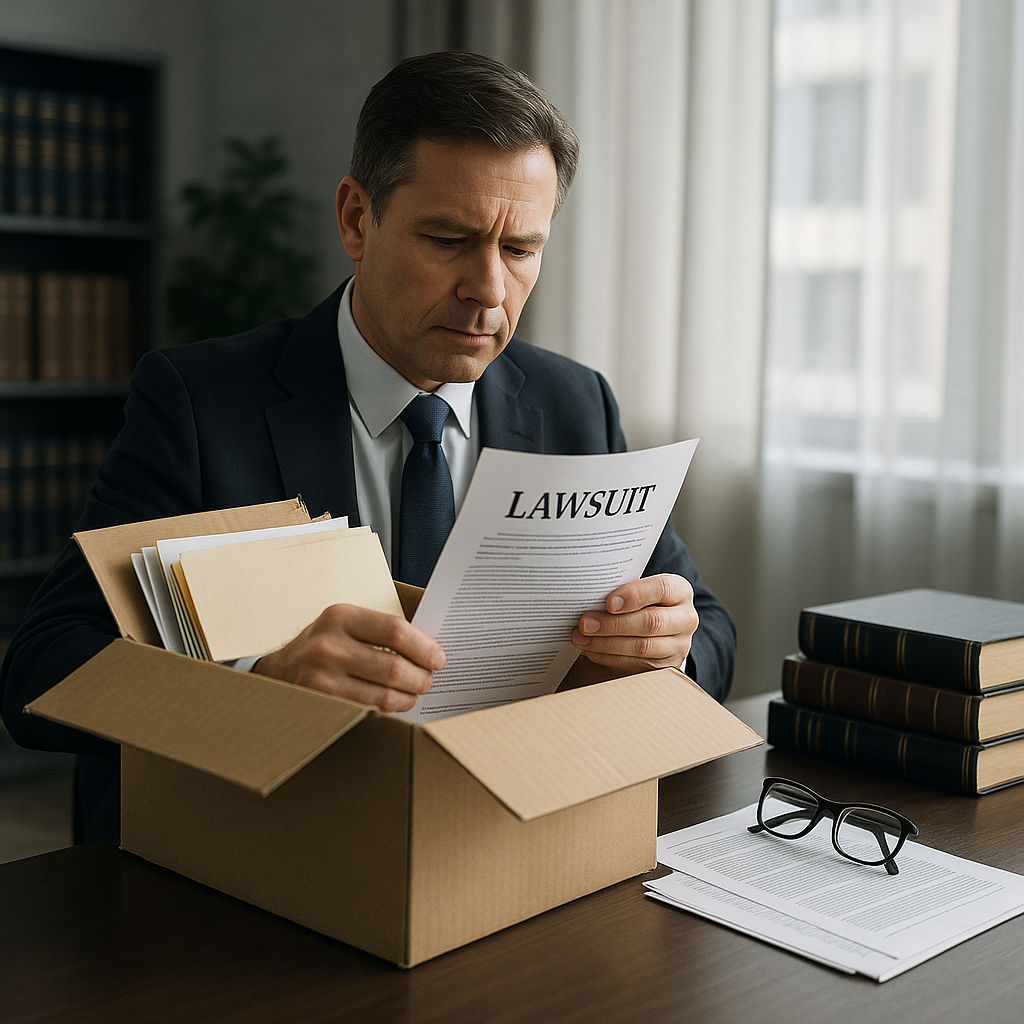
What Are the Latest Lawsuits Affecting Consumers?
Recent legal actions by the Consumer Financial Protection Bureau (CFPB) have targeted credit reporting agencies and auto lenders for practices that harmed consumers. Key lawsuits include actions against Experian and Equifax for inadequate credit dispute investigations, and against auto lenders for wrongful vehicle repossessions and poor loan servicing. These cases underscore increasing protections for consumers—but also highlight recurring risks in areas like credit reporting and lending.
Main Issues from the Lawsuits
- Incorrect credit reporting: Agencies failed to fairly investigate consumer dispute claims, sometimes letting errors persist on reports.
- Loan servicing failures: Lenders sometimes repossessed vehicles despite consumers’ timely payments or extensions.
- Insufficient transparency: Consumers often received misleading communications about investigation findings or their account status.
Let’s examine key lawsuits, what happened, and what it means for you.
Lawsuit Spotlight #1: Experian’s Credit Report Disputes
The CFPB sued Experian, alleging that the company performed inadequate investigations when consumers disputed errors on their credit reports. As a result, incorrect information often remained on credit files—impacting consumers’ access to loans, jobs, or housing. The CFPB states that Experian failed both by performing ‘sham’ investigations and by not correcting mistakes as required by law (CFPB Sues Experian).
Action Points for Consumers
- Check your credit report from all three major bureaus regularly—errors can appear in just one or all.
- If you find an error, submit a dispute in writing and keep a record.
- Monitor follow-up communication and demand documentation about investigation outcomes.
- If your dispute isn’t properly handled, escalate your complaint to the CFPB.
Lawsuit Spotlight #2: Equifax’s Improper Error Investigations
The CFPB required Equifax to pay $15 million in penalties after it found the company also failed to conduct proper investigations of credit disputes, ignored consumer-provided documents, and sometimes allowed disputed errors to reappear on reports. Equifax was also accused of sending misleading updates to consumers about dispute resolutions (CFPB Orders Equifax).
What This Means for You
- Right to thorough dispute investigation: Credit bureaus must review documents you provide when investigating disputes.
- You can request evidence: Ask bureaus to provide proof of their investigation steps and findings.
- You have appeal options: Escalate disputes to the CFPB if you believe your case was mishandled.
Lawsuit Spotlight #3: Wrongful Auto Repossessions
The CFPB took action against auto lenders for illegal practices like repossessing vehicles from consumers who kept up with payments or negotiated loan extensions. The Bureau found some companies misapplied payments, provided inaccurate information, and failed to return add-on product refunds after loans ended (CFPB on Auto Repossessions).
Your Rights in Auto Lending
- Lenders must credit your payments correctly and honor written agreements.
- If an add-on product (like insurance) is canceled early, unused fees should be refunded.
- Repossession is generally not allowed if you’ve met payment terms or received a deferral in writing.
Checklist: Steps to Take if You’re Affected
| Situation | Immediate Actions | Evidence to Gather | How to Escalate |
|---|---|---|---|
| Credit Report Error | Dispute error with each bureau | Credit report, dispute letters, responses | File complaint with CFPB |
| Investigation Ignored | Request review and written findings | Dispute documentation, evidence sent | CFPB escalation with timeline |
| Wrongful Repossession | Contact lender for documentation | Payment records, loan agreements | Seek legal aid, CFPB complaint |
| Missing Product Refund | Contact lender about refund | Proof of add-on, payoff date | CFPB complaint if unresolved |
Illustrative Example: Escalating a Credit Report Dispute
Scenario: Jane discovers a paid loan still appears as “open” on her Experian report, harming her ability to get a mortgage. She submits her payment statement and a bank letter proving payoff. Experian replies the account is “verified” with no explanation. Jane takes these steps:
- Files a dispute to Experian with her supporting documents (keeps copies).
- Waits 30 days for a reply. Receives a generic response, no correction.
- Gathers evidence (certified mail receipts, Experian’s reply, her documentation).
- Files a CFPB complaint, uploading all proof: her dispute letter, statements, and Experian’s reply.
- Monitors the CFPB complaint portal for updates, which may prompt further investigation.
This process uses available dispute and escalation tools—protecting Jane’s rights under the law.
Key Legal Protections for Consumers
- Federal law (FCRA) requires credit bureaus to fully investigate all disputes and correct confirmed errors.
- Auto lenders are legally barred from repossessing vehicles without cause and must refund eligible fees on add-on products after payoff.
- The CFPB provides an online complaint process at consumerfinance.gov/complaint.
Limitations and Uncertainties
While lawsuits signal stronger oversight, not all companies or issues are covered by these actions, and resolution can take time. Internal appeals may still be required before escalating, and outcomes depend on individualized circumstances. Keep in mind, the CFPB cannot resolve or force every issue, though successful escalation increases the chance of a proper review.
Practical Next Steps
Regularly review your credit reports, document all loan agreements, and immediately dispute any errors you find. If problems persist, use the CFPB’s complaint portal. Stay informed by checking consumer protection sites for ongoing enforcement and your evolving rights under federal law.
For related guidance on consumer protections and industry trends, consider reading our guide on influencer partnerships and consumer impacts.
Sources and further reading
- CFPB Sues Experian for Sham Investigations of Credit Report Errors | Consumer Financial Protection Bureau
- CFPB Orders Equifax to Pay $15 Million for Improper Investigations of Credit Reporting Errors | Consumer Financial Protection Bureau
- CFPB Takes Action Against Wrongful Auto Repossessions and Loan Servicing Breakdowns | Consumer Financial Protection Bureau