Old tech recycling directly affects the environment by reducing raw material extraction and waste, but its net impact depends on how recycling is planned, executed, and managed. By understanding these factors, you can make more informed decisions about where and how to recycle electronics and reduce your carbon footprint.
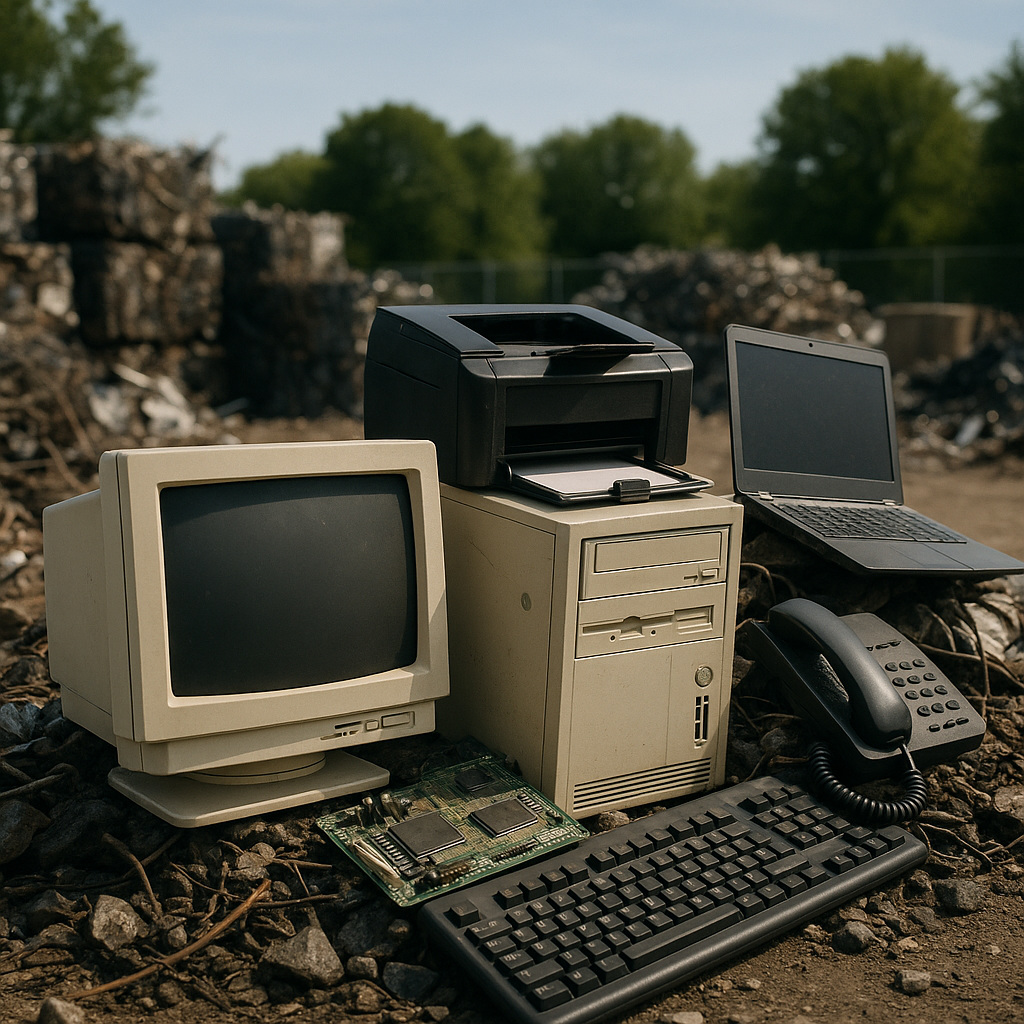
How Old Tech Recycling Affects the Environment
Recycling old electronics helps recover precious materials and limits the environmental damage from mining and landfill waste. However, recycling processes themselves consume energy and produce emissions. The overall environmental benefit relies on efficient management, low-carbon dismantling processes, and proper disposal of hazardous substances. A 2024 review found that up to 75% of e-waste in the European Union is not properly managed, resulting in significant environmental risks and lost opportunities for resource recovery (Lee, Choi, & Kim, 2024).
Key Environmental Impacts
- Reduces landfill waste: Keeps toxic materials (like lead, mercury, cadmium) out of the soil and water.
- Recovers valuable materials: Extracts metals such as gold, copper, and palladium for reuse.
- Consumes energy: Sorting and dismantling require power, which may offset some benefits if done inefficiently.
- Produces emissions: Processes like shredding and smelting generate greenhouse gases, with carbon footprints varying by device type (Ba et al., 2026).
Steps to Minimize the Environmental Impact
Maximizing the benefits of old tech recycling involves more than just handing over unused devices. Consider these four essential steps:
- Choose certified recyclers: Prefer facilities with environmental certifications and transparent tracking of waste.
- Sort and prepare items: Separate batteries, cables, and hazardous components before recycling for safer and more efficient processing.
- Donate or reuse when possible: Extending a device’s life has a lower environmental impact than recycling.
- Stay informed about local regulations: Some regions prohibit certain recycling methods or have dedicated e-waste drop-off events.
Checklist: Smart Recycling Decisions
| Step | Action | Why it Matters |
|---|---|---|
| Check certifications | Look for R2, e-Stewards, or similar | Certifications help ensure safe, responsible handling of e-waste |
| Remove batteries | Use service guides to safely remove | Prevents fire and safely channels hazardous materials |
| Erase data | Factory reset and physically destroy hard drives if needed | Protects your personal information |
| Group devices by type | Keep TVs, smartphones, and refrigerators separate | Makes recycling more energy efficient |
| Research local options | Contact your city, county, or electronics retailers | Rules and availability vary by location |
What Determines the Environmental Impact?
The energy required and emissions produced during recycling depend on the device type and the recycling process. For example, a field-based study in China found that dismantling refrigerators results in higher carbon emissions due to complex and energy-intensive steps compared to recycling TVs, which have a lower carbon emission factor (Ba et al., 2026).
Main Decision Factors
- Device complexity: More complicated products often require more energy-intensive processes.
- Recovery efficiency: Higher-quality facilities extract more value and reduce waste.
- Local energy sources: Recycling powered by renewable energy has a lower environmental impact.
- Waste management practices: Proper handling of toxics prevents pollution.
Illustrative Example: Carbon Footprint of Recycling Different Devices
Assumptions: Recycling 1 TV (15 kg) and 1 refrigerator (50 kg) at an average certified facility. Let’s estimate carbon emissions based on reported emission factors from recent research (Ba et al., 2026).
- TV emission factor: 0.2 kg CO₂ per kg
- Refrigerator emission factor: 0.7 kg CO₂ per kg
TV: 15 kg × 0.2 kg CO₂ = 3 kg CO₂
Refrigerator: 50 kg × 0.7 kg CO₂ = 35 kg CO₂
Total emissions: 38 kg CO₂ recycled. Choosing a TV-heavy load saves more emissions, while recycling refrigerators has a much larger impact per device due to dismantling challenges and refrigerant management.
Barriers to Effective Tech Recycling
There are obstacles at many levels:
- Behavioral: Many people lack information about proper disposal or worry about data privacy (Lee, Choi, & Kim, 2024).
- Technological: Some products are designed in ways that make disassembly hard or dangerous.
- Social and systemic: Local regulations, recycling infrastructure, and market conditions affect system efficiency (Choi et al., 2011).
How to Take Effective Action
To reduce your personal or organizational impact, follow these practical principles:
- Plan recycling events or collection drives: Engage your workplace, school, or community in coordinated e-waste collection.
- Investigate end destinations: Ask recyclers how and where devices are processed and whether they separate hazardous and recyclable components.
- Advocate for design improvements: Support manufacturers pursuing products that are easier to recycle or repair.
Summary Table: Factors Influencing Environmental Impact
| Factor | Effect on Recycling Impact |
|---|---|
| Device type | Larger or more complex devices may produce higher emissions |
| Facility efficiency | High-efficiency and certified facilities reduce energy use and waste |
| Local energy grid | Renewable-powered facilities have lower environmental impact |
| Consumer action | Proper sorting, removing batteries, and preparing devices increases recycling success |
| Laws and regulations | Stronger policies encourage better recycling and environmental outcomes |
Where to Learn More and What to Do Next
For a deeper understanding of technology’s wider impact in other areas, consider these resources:
Aim to recycle with certified centers, remove hazardous parts, and push for systemic improvements. Ask questions when handing over devices and seek detailed information from recyclers. This helps minimize your environmental impact and support cleaner, safer old tech recycling practices.
Sources and further reading
- Environmental and economic impacts of e-waste recycling: A systematic review – ScienceDirect
- A Baseline Input—Output Model with Environmental Accounts (IOEA) Applied to E-Waste Recycling – Taelim Choi, Randall W. Jackson, Nancey Green Leigh, Christa D. Jensen, 2011
- Carbon footprint accounting of E-waste dismantling process in China: field-based research | Carbon Research | Springer Nature Link