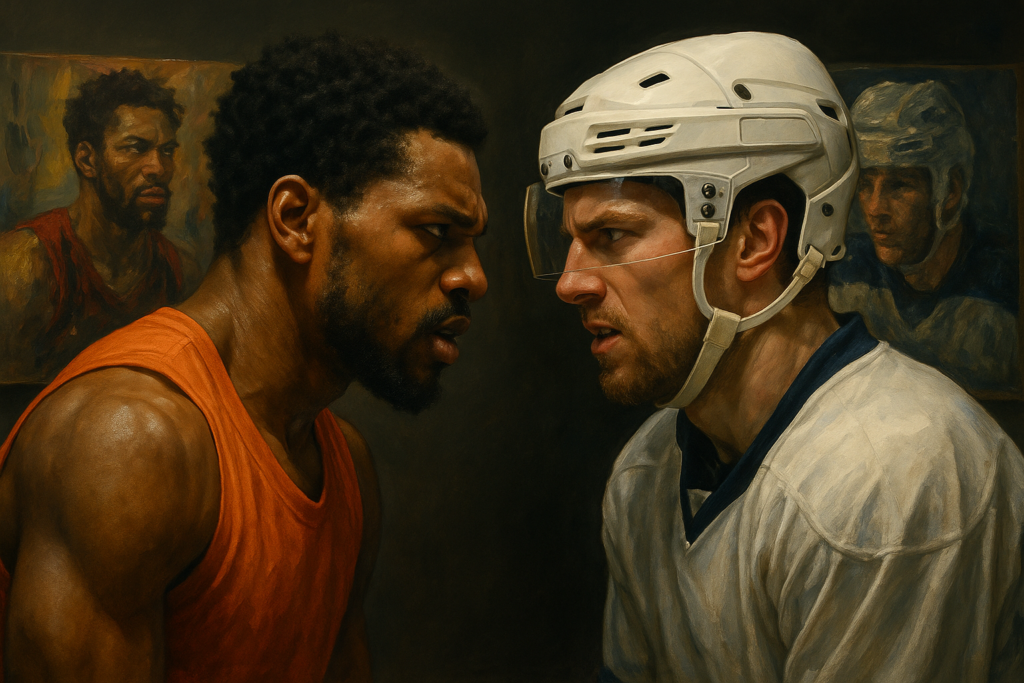
Artistic sports rivalries have long inspired painters, illustrators, and printmakers to capture the emotion, energy, and drama of competition. By analyzing notable works and exhibits, you can see how artists use color, form, and symbolism to convey tension and excitement—offering both inspiration and fresh perspective for your own projects or studies.

Understanding Artistic Sports Rivalries
Artists have explored the theme of rivalry in sports to highlight not just athletic prowess, but also broader themes like struggle, resilience, and camaraderie. A sports rivalry is often represented with direct confrontations, intense body language, or the anticipation before a key moment. This approach gives audiences a sense of the psychological and physical aspects of competition.
Key Media and Techniques
- Drypoint and Engraving: Emphasizes line and contrast, suitable for dynamic scenes.
- Lithography: Offers rich tones and textures, conveying energy or motion.
- Mixed Media: Blends drawing, painting, or photography for layered storytelling.
Prominent Examples of Artistic Sports Rivalries
To better understand artistic sports rivalries, consider these notable works catalogued by major museums and exhibitions:
| Artwork | Artist | Medium | Date | Key Rivalry |
|---|---|---|---|---|
| The Rivals | Paul F. Berdanier | Drypoint | ca. 1935 | Direct physical contest |
| Boxing, An Almanac of Twelve Sports | William Nicholson | Lithograph | 1897 | Boxers’ confrontation |
| Strike Fast, Dance Lightly | Various (Exhibition) | Multiple media | 2024–2025 | Boxing as rivalry motif |
Seven Artistic Approaches to Depicting Rivalry
Breaking down contemporary and historic works, artists tend to use seven recurring strategies to present sports rivalries:
- Moments of Tension: Freeze the instant before, during, or after conflict.
- Contrasting Figures: Use body language or costume to highlight difference.
- Close-Ups: Focus on faces or hands to show emotion and anticipation.
- Dynamic Composition: Tilted angles or sweeping lines add movement.
- Symbolic Color Palettes: Reds and blues often evoke loyalty or aggression.
- Background Narratives: Crowds or settings contextualize the personal contest.
- Abstracted Forms: Suggest rivalry through shape and negative space.
Decision Criteria: Choosing Your Artistic Approach
When depicting or analyzing artistic sports rivalries, consider:
- Sport Type: Team versus individual sports offer different narrative cues.
- Era and Medium: Historic prints versus modern installations use distinct visual languages.
- Desired Focus: Do you want to emphasize the tension, aftermath, or context?
Illustrative Example: Planning an Artwork Inspired by Rivalry
Scenario: Suppose you want to create a print inspired by a tennis rivalry.
| Step | Decision |
|---|---|
| Choose moment | Pre-serve stare-down (moment of tension) |
| Select medium | Drypoint, to echo Berdanier’s techniques |
| Color choice | Limited palette with contrasting team colors |
| Background narrative | Implied crowd, blurred to draw focus |
This approach borrows from recognized strategies in historical works like The Rivals and applies decision criteria discussed above.
Exhibitions That Explore Sports Rivalries
Large-scale exhibitions offer further insight, compiling works that cover decades of sports-themed art. The Strike Fast, Dance Lightly: Artists on Boxing exhibit features over 100 pieces, demonstrating how boxing has consistently inspired distinct artistic interpretations. By comparing works across time, audiences can see evolving attitudes toward sports, physicality, and personal identity.
Checklist: Analyzing or Creating Artistic Sports Rivalries
- Identify the rivalry being depicted.
- Analyze use of body language and positioning.
- Observe medium and technique for intended effect.
- Consider symbolism in color and composition.
- Note historical context and audience clues.
- Assess narrative and emotional impact.
- Compare with referenced artworks or exhibitions for inspiration.
Limitations and Context
Interpretations of rivalry in art evolve, reflecting both artistic intent and cultural context. Not every piece aims for realism or direct representation; some focus on abstraction or conceptual elements to comment on broader social issues through the lens of sports.
To deepen your understanding, review artwork collections and exhibition details from trusted museum sources. These primary repositories offer background, context, and additional study materials supporting the analysis and creation of compelling, rivalry-focused sports art.
For your next step, visit online collections or upcoming exhibitions to view sports-focused artwork in detail, such as those at the Smithsonian American Art Museum, Cleveland Museum of Art, or the Norton Museum of Art.