In 2026, boosting e-commerce sales depends heavily on AI-driven personalization. This approach enables online retailers to customize product discovery, personalize recommendations, and improve the customer journey, meeting rising consumer expectations. Here’s how you can use AI-driven personalization to increase sales and keep customers satisfied.
What Is AI-Driven Personalization?
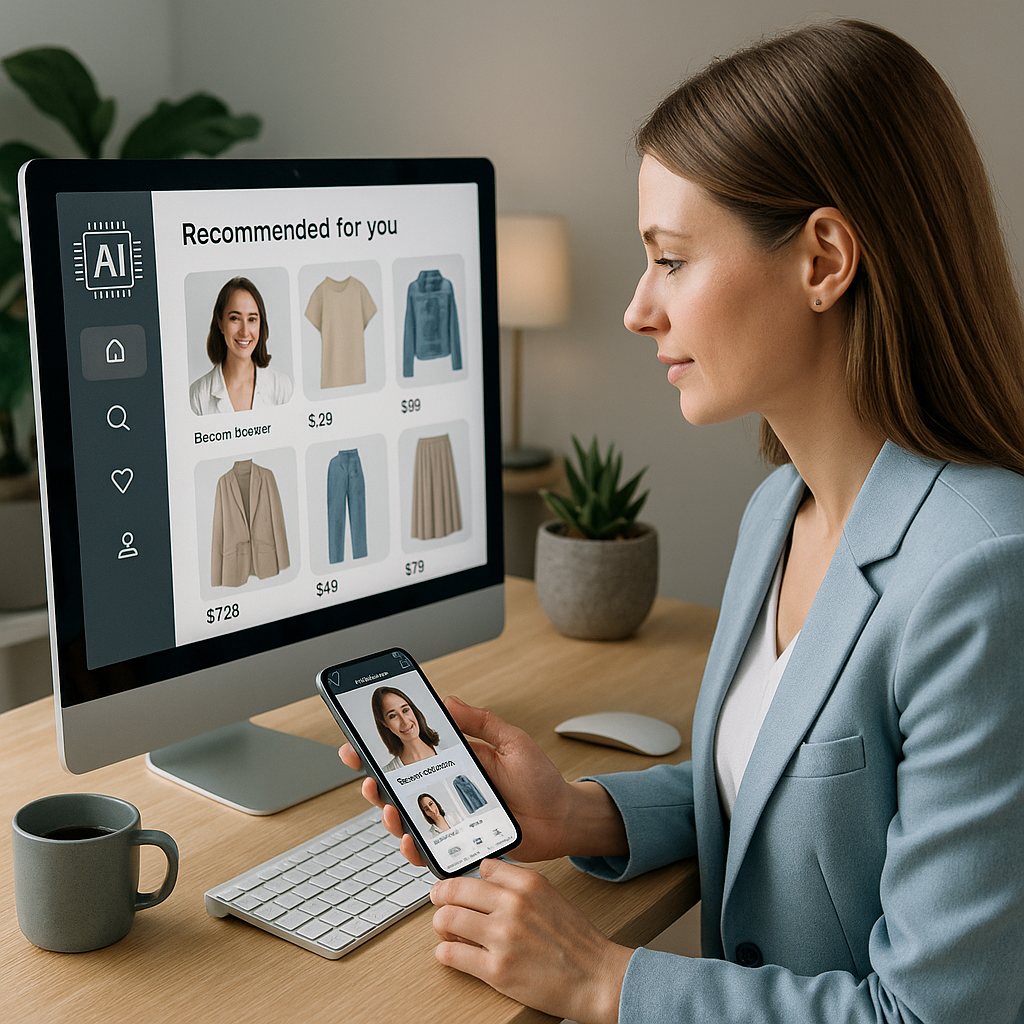
AI-driven personalization means using artificial intelligence and machine learning to dynamically tailor the e-commerce experience for each customer. This includes personalized product recommendations, search suggestions, pricing adjustments, and targeted messaging based on real-time behavior and preferences. As of 2026, 71% of consumers expect online interactions to be personalized, and most become frustrated when this isn’t delivered (smartkeys.org).
Why AI-Driven Personalization Matters for E-Commerce
- Increases conversion rates by making relevant products easy to find.
- Enhances customer satisfaction, reducing frustration and bounce rates.
- Drives repeat business with tailored marketing and product discovery.
- Improves operational efficiency using predictive analytics and inventory optimization (Global Tech Council).
Core Strategies for Implementing AI-Driven Personalization
Adopting AI-driven personalization requires careful planning, investment, and ongoing monitoring. Below are practical steps to successfully integrate these technologies:
1. Personalize Product Discovery
Integrate AI-based recommendation engines that suggest products based on browsing and purchase history. These engines offer dynamic content and adjust recommendations in real-time, adapting to new customer behavior (FlipWeb).
2. Enhance Merchandising and Category Pages
Use AI to reorganize product listings and categories based on user preferences or trends. Smart merchandising surfaces bestsellers and relevant items to individual shoppers, increasing engagement.
3. Optimize Checkout Experience
Introduce personalized incentives at checkout, such as dynamic pricing or tailored discounts. AI can calculate the likelihood of cart abandonment and trigger suitable retention offers.
4. Leverage AI-Powered Chatbots and Assistants
Deploy AI chatbots for 24/7 customer support and real-time product recommendations. These bots help customers quickly find answers, boosting satisfaction and conversion rates (Global Tech Council).
5. Personalize Messaging and Promotions
Craft dynamic, AI-generated emails and web messages based on customer habits and preferences. Adjust these as you collect more behavioral data.
| Action | Decision Point | Recommended Tool |
|---|---|---|
| Product Recommendations | User has repeat visits | AI recommendation engine |
| Merchandising | User visits category pages | AI-based product reordering |
| Checkout Personalization | User hesitates at checkout | Personalized offer algorithms |
| Customer Service | User requests help | AI chatbot |
| Promotional Messaging | User active but hasn’t purchased | AI-driven email campaign |
Ensuring Ethical AI and Regulatory Compliance
With increased AI use, compliance and ethics are key. In the EU, as of August 2026, it is mandatory to disclose when users interact with AI systems. Transparent data practices and user opt-outs are essential to maintaining trust (smartkeys.org).
- Clearly label AI-driven interactions on your site.
- Offer privacy options and transparent data collection notices.
- Test for bias and unintended discrimination regularly (FlipWeb).
Measuring and Iterating Your Personalization Approach
- Set benchmarks: Define conversion, cart abandonment, and engagement rates before applying AI-driven changes.
- Test impact: Use A/B or multivariate testing to compare AI vs. baseline outcomes.
- Monitor regularly: Track shifts in user satisfaction, revenue per visitor, and recommendation accuracy.
- Solicit feedback: Encourage customer feedback on personalized experiences and update algorithms as needed.
Illustrative Example: Choosing a Personalization Strategy
Scenario: An online retailer wants to raise their conversion rate. Their current site averages 10,000 visitors/month with a 2% conversion rate. They’re considering AI-powered product recommendations.
Checklist:
- Identify top-selling products and customer browsing patterns.
- Select an AI recommendation engine compatible with their e-commerce platform.
- Implement the engine and A/B test: 5,000 customers see AI recommendations, 5,000 do not.
- After one month, measure conversion rates:
- – AI group: 2.6% (130 sales); baseline: 2% (100 sales).
- Assess user satisfaction with post-purchase surveys.
- Review results and decide whether to expand AI features further.
This transparent process allows direct measurement of AI-driven personalization on sales, which can be repeated for messaging and checkout improvements. Results will vary by segment and strategy.
Common Pitfalls and How to Avoid Them
- Over-personalization can feel intrusive; always provide user controls.
- Neglecting bias tests can lead to unfair exclusion of product options.
- Ignoring compliance may result in regulatory penalties or loss of customer trust.
Next Steps
Begin by evaluating your e-commerce data readiness and select one element—such as product recommendations or AI chatbots—to pilot. Monitor the impact, prioritize transparency, and expand AI-driven personalization where you reliably see improved engagement and sales.
For a deeper dive, explore related strategies about transforming customer loyalty with AI-driven personalization or compare top e-commerce platforms for small businesses for compatible AI tools.