League of Legends eSports has changed competitive gaming by fostering team spirit, collaborative player skills, and proactive community moderation. These elements have reshaped how fans connect and how teams work together, influencing the wider landscape of eSports culture and community engagement.
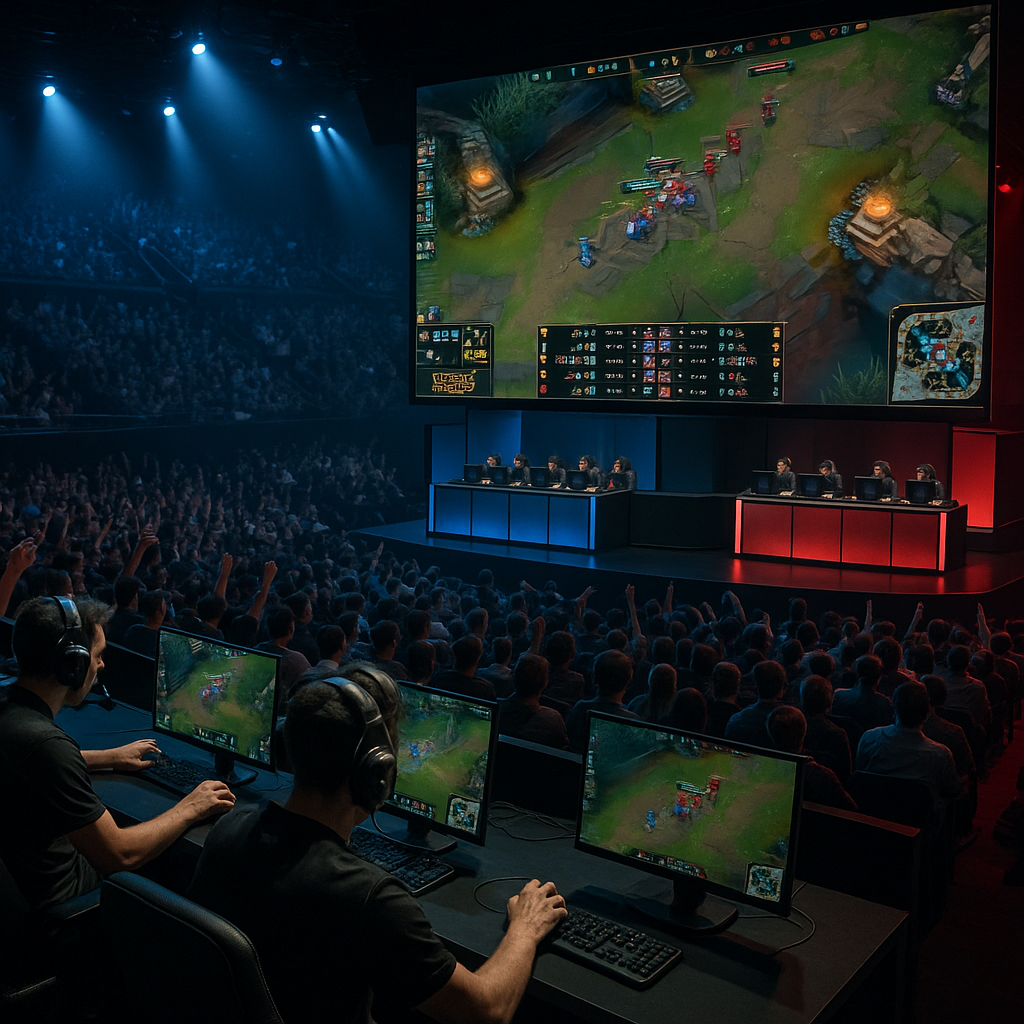
Key Ways League of Legends Shapes eSports Culture
- Fostering fan engagement through team-based identity and emotional connection.
- Encouraging player collaboration over solo performance, emphasizing teamwork and strategic coordination.
- Promoting sportsmanship via community-driven moderation tools and behaviors.
How Spectators Connect: Identity and Emotional Investment
League of Legends (LoL) eSports thrives on powerful fan communities built around professional teams and tournaments. Spectators not only watch matches but also participate in online discussions and share emotional experiences. Studies from Reddit interactions during global tournaments show that fans who support the same team tend to bond closely, actively discussing matches and reacting together. Interactions between rival groups are less frequent but can intensify emotions, adding a unique dynamic to LoL events.
Investigating the emotional experiences in eSports spectatorship
Concrete Actions for Fans
- Join official team forums or social media groups to connect with like-minded supporters.
- Participate in live streams or chat rooms to enhance your viewing experience through shared emotional highs and lows.
- Follow match breakpoints and team strategies closely, as these moments drive engagement.
How Teams Win: Collaboration Over Individual Skill
Unlike some competitive games, success in LoL depends less on any one player’s prowess and more on how the whole team functions together. Research analyzing over 560,000 matches found that skills like vision control, strategic communication, and helping teammates (“assists”) matter more for ranking up than solo kills or statistics. These behaviors form an interconnected system, strongly tied to a team’s standings.
From iron to diamond: Collaborative behavior development
Team Training Checklist
| Collaborative Skill | Action Step |
|---|---|
| Vision Control | Coordinate ward placement and tracking |
| Strategic Communication | Practice callouts during team fights |
| Assist Play | Support teammates in key skirmishes |
| Objective Planning | Jointly plan how to secure turrets and dragons |
Illustrative example: Coordinating Team Actions
Suppose a team wants to improve its win rate. Through weekly scrimmages, they decide to track four metrics: vision coverage, clear communication, number of assists, and objectives secured. Each week, they aim to increase vision control by 10%, confirm callouts in review, boost assists by helping each other during fights, and plan for important objectives. Over a month, they review stats and adjust strategy. This checklist approach highlights the concrete steps a LoL team can take to evolve their collaboration.
Building Positive Community Norms
Maintaining a welcoming environment is critical for any online game, and League of Legends has taken unique steps to promote prosocial behavior. Riot Games, the developer, implemented a system enabling players to voluntarily review and penalize negative actions, supporting community-driven sportsmanship. While only a small fraction of players volunteer time for this, the program influences how the culture discourages toxicity.
Prosocial behavior in an online game community
Practices to Support Positive Play
- Report unacceptable behavior when you see it.
- Consider volunteering for community moderation initiatives if available.
- Foster positivity in chat and voice communications.
Decision Factors: Applying Lessons Beyond League
The model established by League of Legends—fan communities, collaborative team play, and shared responsibility for healthy culture—measures up as a blueprint for other eSports titles. Some trends are especially transferable:
- Team identity can deepen audience engagement in other games.
- Collaboration-focused training is linked to higher team success across competitive gaming.
- Community moderation systems reduce toxicity and encourage sportsmanship.
Summary Table: League of Legends eSports Culture Impact
| Dimension | Practice | Cultural Effect |
|---|---|---|
| Fan Engagement | Interactive discussion, team loyalty | Stronger communal identity |
| Teamwork | Collaborative play, communication | Better team performance, positive rivalry |
| Sportsmanship | Player-driven moderation systems | Decreased toxicity, fairer play |
Takeaways and Next Steps
League of Legends eSports continues to shape culture through its emphasis on teamwork, fan-driven engagement, and shared responsibility for community health. Players, coaches, and fans can all take active roles in shaping their eSports environment by prioritizing collaboration, supporting their teams, and encouraging positive participation online.
For a practical next step, join a League of Legends community event—whether online or locally—to experience firsthand the dynamics described above, and consider how your own engagement can support positive eSports culture.
Sources and further reading
- Investigating the emotional experiences in eSports spectatorship: The case of League of Legends – ScienceDirect
- From iron to diamond: Collaborative behavior development across competitive tiers in League of Legends – ScienceDirect
- (PDF) Prosocial behavior in an online game community: an ethnographic study