Culturally immersive family trips offer rich educational and emotional benefits. By intentionally engaging with local cultures, families can build stronger bonds, foster understanding, and create lasting memories. This guide outlines evidence-based steps to plan and enjoy culturally immersive family trips for deeper connections.
Why Choose Culturally Immersive Family Trips?
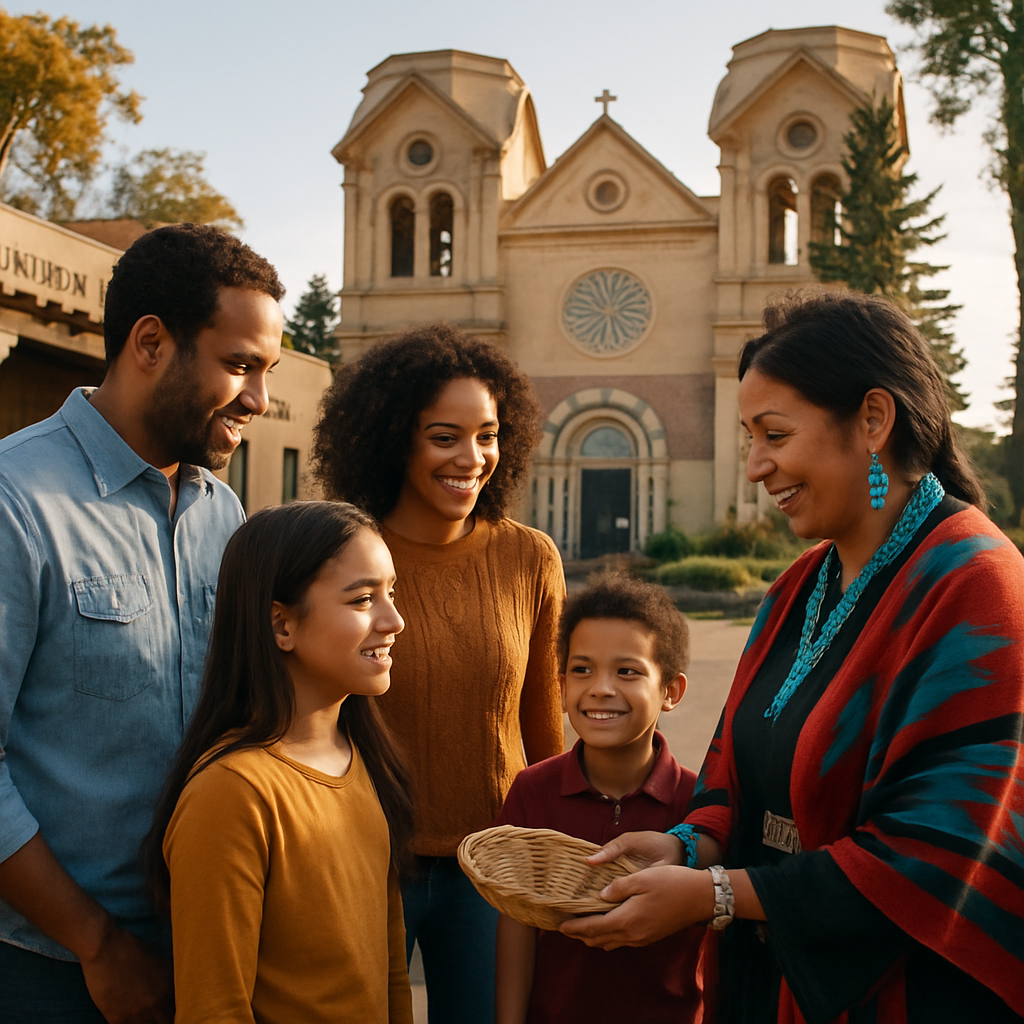
Recent research shows that families increasingly value travel experiences that go beyond sightseeing. Immersive travel, where participants actively engage in local customs and communities, helps shorten psychological distance and forms more meaningful memories. Such experiences can also cultivate respect and curiosity for different cultures in both adults and children (Journal of Hospitality and Tourism Management).
Key Actions for a Culturally Immersive Family Trip
To transform an ordinary trip into a culturally immersive adventure, take the following steps:
1. Research the Local Culture Before Arrival
- Read about the region’s history, traditions, and values using reputable sources or books aimed at children and adults.
- Watch documentaries or movies set in your destination to build shared anticipation and understanding.
- Learn a few basic phrases in the local language or dialect.
2. Choose Experiences That Promote Genuine Engagement
- Seek out family-friendly cooking classes, traditional craft workshops, or music lessons offered by local artisans.
- Look for opportunities to participate in community activities or local festivals.
- Opt for guided tours or homestays led by residents who can share authentic stories.
3. Prepare Children for Immersive Experiences
- Discuss cultural norms and expectations in advance to avoid misunderstandings.
- Explain why some activities might be unfamiliar, and encourage curiosity and openness.
- Involve children in the planning process by letting them choose which cultural experiences to pursue, giving them ownership and motivation (2018 US Family Travel Survey).
4. Reflect Together During and After the Experience
- Create a journal or scrapbook documenting the trip. Include cultural insights, sketches, or souvenirs.
- Hold daily check-ins to share what each family member learned or found surprising.
- Maintain connections by exploring how to incorporate new traditions or foods at home.
Deciding the Level of Immersion
It is important to balance immersive activities with the comfort and interests of all family members:
- Young Children: Choose hands-on or sensory experiences like cooking, dancing, or simple crafts.
- Teens: Select more socially engaging activities such as volunteering, language exchanges, or sports.
- Multigenerational Groups: Identify experiences accessible to all ages, like storytelling sessions or local walks.
Checklist: Planning a Culturally Immersive Family Trip
| Step | Action | Details |
|---|---|---|
| 1 | Destination research | Read, watch, and discuss local culture |
| 2 | Create an experience list | Include food, art, history, and community events |
| 3 | Contact providers | Reach out to local guides and artisans in advance |
| 4 | Prepare and involve family | Share plans and get input from all members |
| 5 | Pack appropriately | Bring suitable attire for cultural settings |
| 6 | Reflect every day | Journaling or shared discussions |
Illustrative Example: Planning an Immersive Trip
Assumptions: A family of four (parents and two children aged 8 and 14) plans a one-week trip to Kyoto, Japan. They want a balanced itinerary with cultural depth.
- Step 1: The family reads a children’s book set in Kyoto and watches a short documentary together.
- Step 2: Each member nominates one must-do activity: tea ceremony, kimono experience, sushi workshop, and a day at a local festival.
- Step 3: The family books a half-day sushi-making class, a children’s origami session, and local guided temple walk.
- Step 4: After each activity, they journal about their favorite moments and cultural surprises.
- Step 5: On returning home, they recreate a Japanese meal and reflect on the experience.
Limitations and Considerations
- Cultural immersion can vary; always respect local customs and privacy.
- Some experiences may not be appropriate for all ages, and not every location offers formal activities.
- Be mindful of language barriers or potential miscommunications.
- Safety and accessibility should be prioritized, especially with young children or seniors.
What Families Gain from Culturally Immersive Trips
Studies indicate that immersive experiences in unfamiliar cultures can create stronger emotional ties and a deeper appreciation for global diversity (Journal of Hospitality and Tourism Management). Research focused on heritage camps has demonstrated enhanced identity understanding and connection among youth—benefits that extend to families when experiences are shared (Journal of Youth Development).
Where to Learn More
Explore further advice on immersive family experiences at How Immersive Experiences Shape Family Connections Today and creative strategies at How to Create Immersive Family Experiences at Home.
Next Step: Choose your family’s next destination and research a local workshop or event to start planning your own culturally immersive trip.