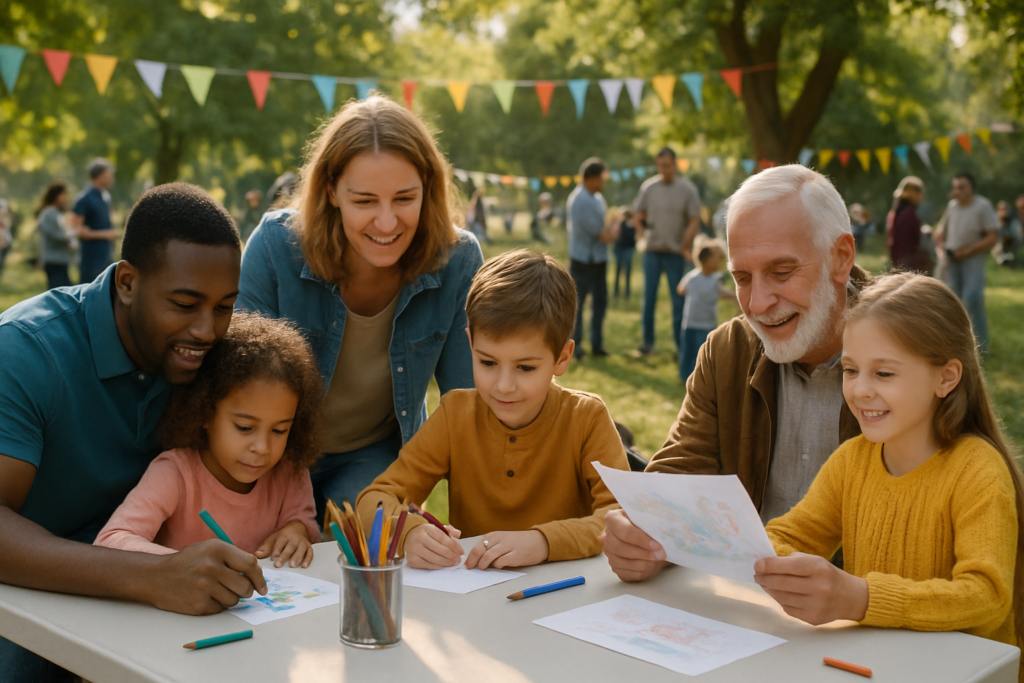
Community-centric family activities help families connect, learn, support local resources, and foster stronger neighborhoods. Getting involved in such activities requires intentional strategies to ensure they are accessible, culturally responsive, and beneficial for every family member. This guide will show you actionable ways to plan and participate, drawing on recent research for best practices and highlighting concrete decision points.
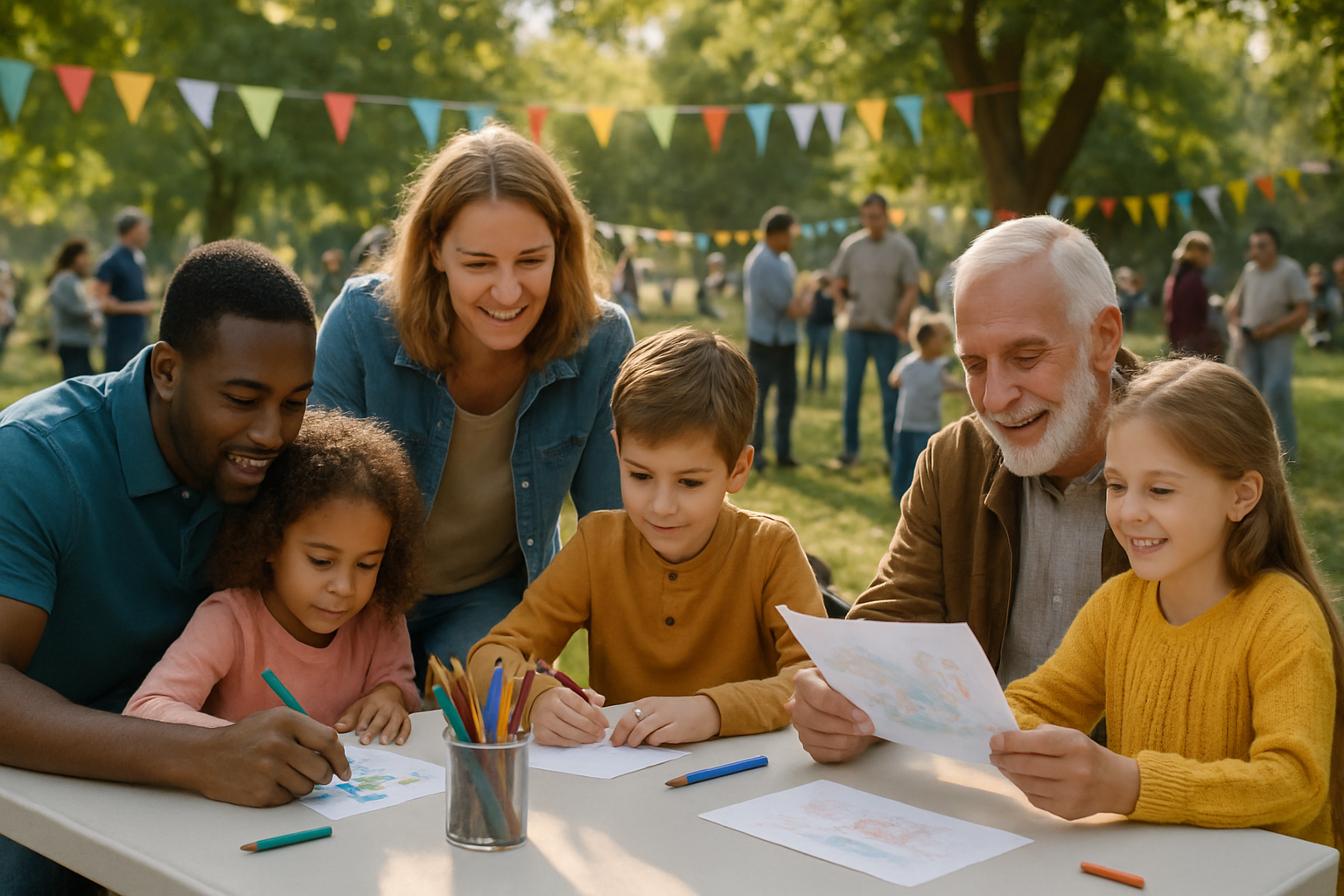
Why Choose Community-Centric Family Activities?
Community-centric family activities engage families in local events or projects, enhancing educational and social outcomes. Studies show they:
- Enhance social skills in children and adults
- Encourage physical activity and healthier choices
- Build community support for programs
- Make educational materials more relevant by reflecting community needs (Scoping Review of Family and Community Engagement Strategies Used in School-Based Interventions to Promote Healthy Behaviors; Community Engagement in Family Planning in the U.S.: A Systematic Review)
However, success depends on careful planning and overcoming barriers like time constraints and cultural differences.
Core Steps to Getting Involved
1. Identify Local Resources
Start by listing nearby community centers, libraries, parks, schools, or faith-based organizations. Each can host activities such as workshops, sports leagues, or cultural celebrations. Visit their websites or community bulletin boards for current offerings.
2. Choose Inclusive Activities
Look for activities emphasizing teamwork, creativity, and learning. Examples include:
- Family cooking workshops spotlighting different cultural cuisines
- Neighborhood cleanup or gardening days
- Story hours or reading circles at local libraries
- School-hosted health fairs or fun runs
These options foster togetherness and welcome diverse backgrounds.
3. Emphasize Relational Engagement
Participation alone isn’t enough. Deepen engagement by:
- Listening actively to others’ perspectives
- Sharing your family’s experiences and needs
- Building trust through regular attendance
- Being flexible and open to different customs (A Mixed Methods Study of Home Visiting Engagement and Culturally Responsive Support for Resettled Families)
4. Be Culturally Responsive
Seek or help create activities that reflect your family’s traditions while being open to new experiences from others. Offer your perspective in planning committees and support multilingual communication to ensure all families can participate comfortably.
Checklist: Building Community-Centric Family Activities
| Step | Action | Decision Point |
|---|---|---|
| 1. Identify Resources | Map out community centers, libraries, parks | Which venues offer activities suited to your family’s needs? |
| 2. Select Activities | Compare event calendars for inclusive programs | Is the activity accessible (cost, timing, language)? |
| 3. Engage Actively | Attend events, share feedback, build rapport with organizers | Are you able to communicate your needs and learn others’? |
| 4. Promote Cultural Awareness | Volunteer or suggest adaptations for inclusivity | Is your family’s culture represented? How can you contribute? |
Anticipating Challenges and Barriers
Barriers to participation can include:
- Lack of transportation or reliable schedules
- Language differences
- Limited time for working families
- Inadequate information about events
Strengthen your involvement by contacting organizers in advance to clarify access needs, asking about translation services, or suggesting manageable event times.
Illustrative Example: Planning a Multicultural Potluck
Situation: You want your neighborhood group to host a potluck dinner open to all families.
Checklist Application:
- Identify Resources: The local rec center is available Friday evenings. There’s a kitchen and seating for 40.
- Select Activities: A shared meal, kid-friendly games, and a trivia quiz about different world cultures.
- Engage Actively: Forms for families to share their dish recipes and any dietary preferences are circulated two weeks ahead.
- Promote Cultural Awareness: Posters are translated into Spanish and Mandarin. Organizers invite community members to introduce dishes from their cultures at the event.
Each step increases participation and strengthens the group’s sense of community while addressing common challenges such as communication and dietary inclusion.
Making It Last: Sustaining Engagement
Retaining family interest depends on continued relevance and relationship-building. Invite feedback after events, rotate leadership roles to include different voices, and ensure programming adapts based on community suggestions. These repeated practices can solidify community support, making future activities more robust and inclusive (Scoping Review of Family and Community Engagement Strategies Used in School-Based Interventions to Promote Healthy Behaviors).
Explore Related Family Activities
Once established, consider broadening your reach and participation. For more ideas, see our guides on family-friendly health activities, essential family-friendly activities, and affordable activities using community resources for inspiration.
Next step: Choose one upcoming community event and attend with your family. Introduce yourselves and ask organizers how you can help shape future activities to suit everyone’s needs.
Sources and further reading
- Community Engagement in Family Planning in the U.S.: A Systematic Review – PubMed
- A Mixed Methods Study of Home Visiting Engagement and Culturally Responsive Support for Resettled Families – ScienceDirect
- Scoping Review of Family and Community Engagement Strategies Used in School-Based Interventions to Promote Healthy Behaviors – PMC
Related guide: Transform Family Routines with Creative Play Activities.