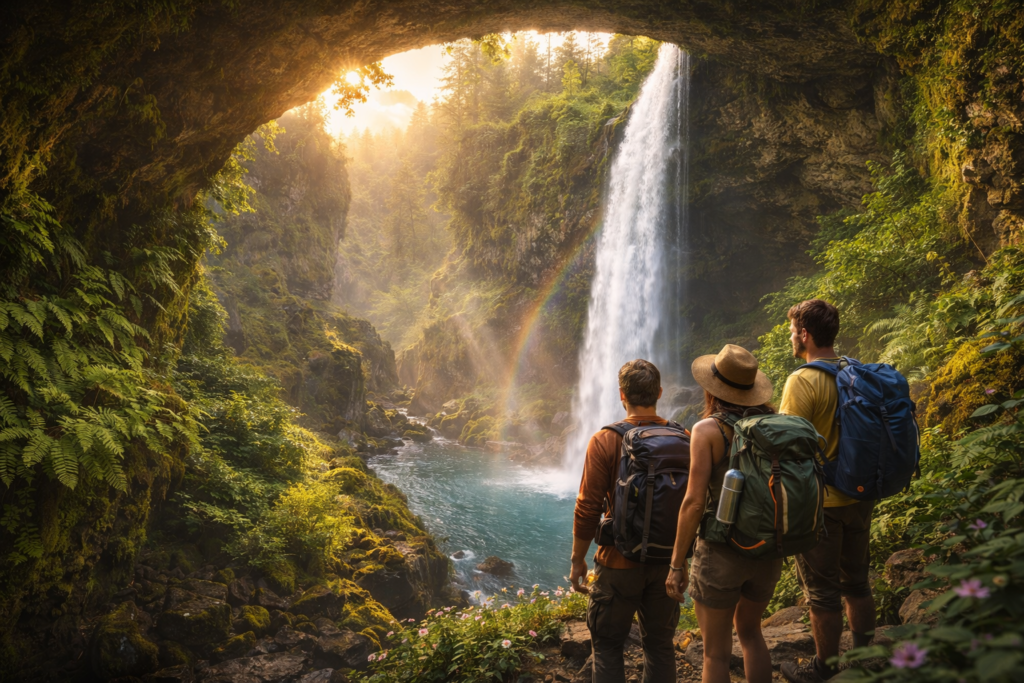
If you crave thrilling hikes, rugged landscapes, or epic biking and climbing, some national parks are better for adventure seekers than others. This guide provides evidence-based steps to choosing and planning your adventure, emphasizing both safety and maximizing fun in the nation’s top adventure national parks.
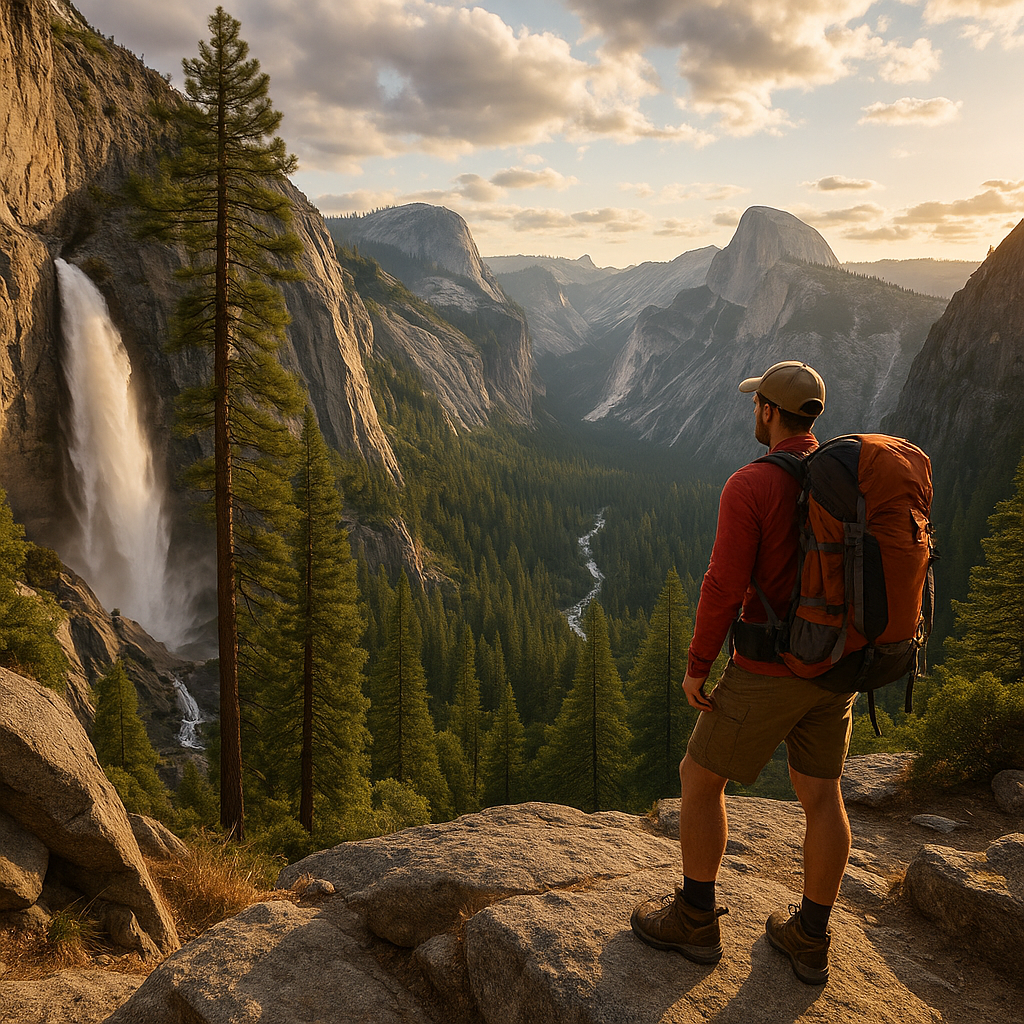
Why Choose a National Park for Adventure?
National parks offer a unique blend of preserved wilderness, designated trails, and stunning scenery. For adventure seekers, these locations allow for immersive activities such as mountaineering, river rafting, cycling, backpacking, and more—all while ensuring responsible recreation with support from park rangers and clear safety regulations.
Adventure Activities in National Parks
Parks across the US feature diverse environments suitable for specific adventures. Here are typical activities documented by the National Park Service:
- Hiking & Backpacking: From short scenic walks to multi-day backcountry treks
- Climbing: Technical rock faces and bouldering spots
- Mountain Biking: Designated off-road biking trails
- Whitewater Rafting & Kayaking: Wild river runs and tranquil lake paddling
- Skiing & Snowshoeing: Popular in high-elevation or northern parks in winter
Key Criteria for Choosing an Adventure National Park
Focus on the following:
- Availability and diversity of adventure activities
- Difficulty level suitable for your experience
- Park’s regulations, permits, and access conditions
- Time of year and weather
- Measures in place for health and safety (NPS Health & Safety)
Checklist: Planning Your Adventure National Park Trip
| Step | Key Consideration |
|---|---|
| 1. Research Park | Identify which parks offer your preferred activities |
| 2. Check Regulations | Look up permits, seasonal closures, and allowed equipment |
| 3. Prepare Gear | Ensure all adventure and safety equipment is suitable |
| 4. Plan Logistics | Arrange transportation, campsites/lodging, and food |
| 5. Safety Prep | Review health and safety guidance, pack first aid, inform someone of your plan |
| 6. Emergency Plan | Know location of ranger stations and have emergency contacts |
Top Adventure National Parks in the U.S.
Based on the NPS Outdoor Adventure guide, these parks stand out for their adventure opportunities:
- Yosemite National Park (California): Legendary for big wall climbing, multi-day hikes, and mountain biking
- Grand Canyon National Park (Arizona): Offers intense rim-to-rim hikes and whitewater rafting on the Colorado River
- Zion National Park (Utah): Noted for technical canyoneering, climbing, and dramatic bike trails
- Rocky Mountain National Park (Colorado): Ideal for alpine climbing, trail running, cross-country skiing, and backcountry adventures
- Acadia National Park (Maine): Coastal hikes, sea kayaking, and cycling along scenic carriage roads
Safety and Preparation Tips
Adventure activities may present hazards. The NPS Health & Safety page emphasizes:
- Check weather and trail conditions before your trip
- Carry proper gear for your activity and weather
- Tell someone your itinerary
- Be familiar with local wildlife and ecological dangers
- Understand your limits and those of your group
- Pack out all trash and minimize impact
Permits and Access
Many top adventure activities require advance permits (for example, river rafting in Grand Canyon, overnight wilderness camping in Yosemite). Check park websites early, as some permits are competitive lotteries or have early cutoffs (NPS Trip Planning Guide).
Illustrative Example: Planning a Grand Canyon Adventure
Assumptions: You want to hike rim-to-rim and raft one day on the Colorado River.
- Research parks with both hiking and rafting – Grand Canyon is chosen.
- Check for backcountry hiking and rafting permit requirements; apply months in advance.
- Plan gear for desert hiking (water reservoir, sun hat, sturdy boots) and whitewater rafting (packable dry bag, life jacket, water shoes).
- Book shuttle to North or South Rim and reserve a spot with a licensed rafting outfitter.
- Share itinerary with a friend; review NPS safety tips for heat illness and dehydration.
- Build a day-by-day plan, marking ranger stations and emergency points on your map.
This step-by-step approach applies to most adventure trips; simply adjust gear and timing for your specific activity and destination.
Additional Tips and Common Mistakes to Avoid
- Do not underestimate physical demands—train and acclimate to elevation when possible
- Always double-check permit and park rules before finalizing travel
- Start with an easier adventure if you lack experience; national parks have a wide range of activity levels
- Emergency plans matter: many park areas lack reliable cell coverage
Where to Learn More or Find Hidden Gems
For lesser-known parks with adventure potential, see the guide on hidden gem national parks. Always use official park websites for the latest rules, closures, and permit requirements.
Next Steps
Decide which type of adventure excites you most, shortlist two or three national parks that fit your interests, and consult official park planning resources to begin detailed trip preparations. This approach maximizes both safety and adventure fulfillment—happy exploring!