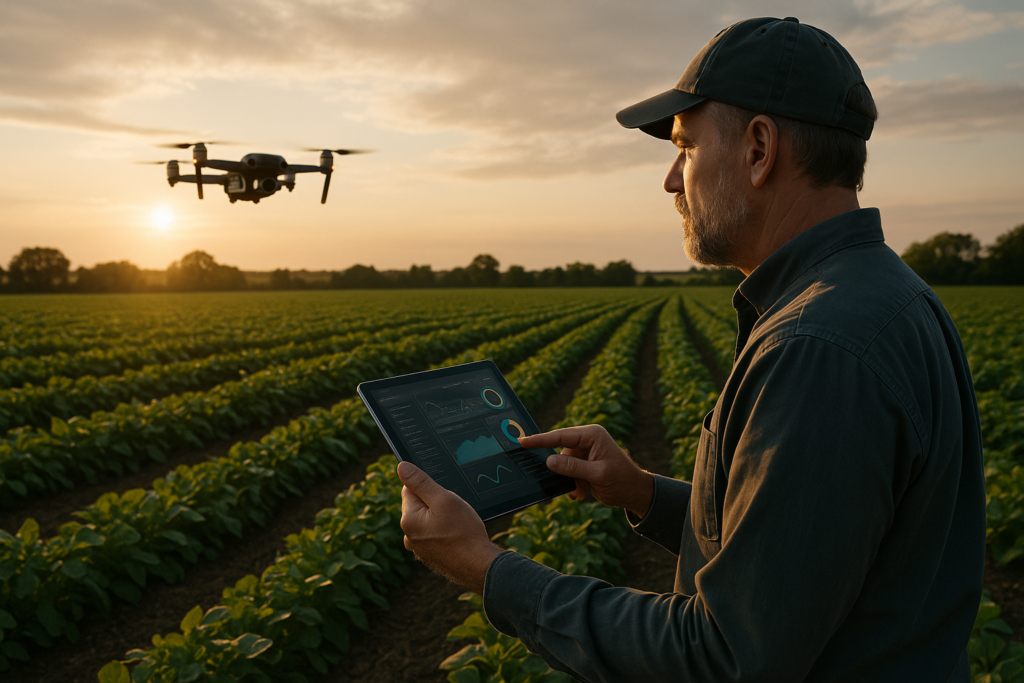
Regenerative technology in agriculture offers promising ways to boost soil health, resilience, and crop quality while reducing chemical inputs and costs. If you’re considering these methods, understanding practical steps, limitations, and funding opportunities can help shape smart decisions for your farm.
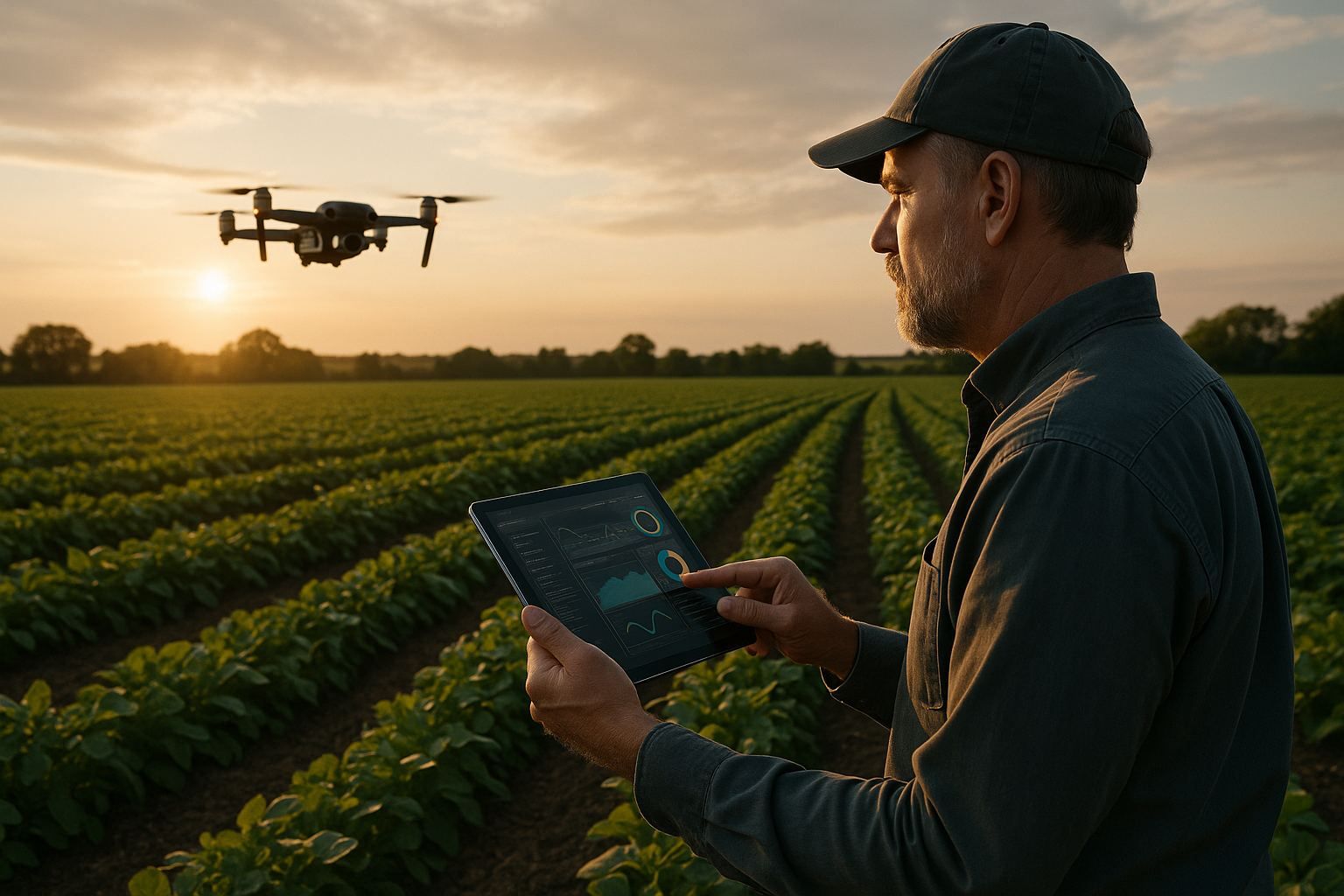
What Is Regenerative Technology in Agriculture?
Regenerative technology agriculture refers to science-backed practices and tools designed to restore and maintain natural systems on farmland. Key applications include no-till or reduced-till methods, cover cropping, crop rotation, and sometimes advanced technologies that monitor soil or manage water more efficiently. The main emphasis is producing sustainable yields while rebuilding soil health and environmental quality over time.
Key Benefits and Promises
- Soil Health: Enhances nutrient cycling and improves soil structure, supporting better moisture retention and plant growth (ASPE: Regenerative Agriculture and Population Health).
- Climate Resilience: No-till and cover crops can buffer effects from weather extremes such as drought or heavy rain.
- Cost Reduction: Less reliance on fertilizers and pesticides can reduce long-term input costs (USDA ARS: Economics of Regenerative Agriculture).
- Nutritional Improvements: Some evidence suggests crops may have enhanced nutrient density when grown on regenerative soils.
Main Decisions and Actions for Adoption
Before embracing regenerative technology agriculture, farmers and stakeholders should weigh several factors:
| Consideration | Typical Choices | Potential Outcomes |
|---|---|---|
| Farm Type & Scale | Row crops, livestock, specialty crops; small or large acreage | Adoption methods and potential returns vary by scale and enterprise |
| Initial Investment | Machinery for no-till, cover crop seed, soil monitoring | Costs can be substantial but are often offset by grants or lower inputs |
| Skill & Training | Learning regenerative methods | Knowledge gap may slow adoption without support |
| Eligibility for Incentives | USDA NRCS programs or state-level grants | Can reduce upfront costs and risk (USDA NRCS: Regenerative Pilot Program) |
| Market Demand | Interest from buyers for regenerative-certified products | Potential for price premiums or contracting opportunities |
How to Navigate Funding and Incentives
The USDA Natural Resources Conservation Service’s Regenerative Pilot Program offers technical and financial support. This program prioritizes improved soil health and water management, reimbursing eligible participants for approved regenerative practices. Application processes involve submitting plans outlining intended conservation techniques, with ongoing monitoring to ensure practices align with program goals (USDA NRCS: Regenerative Pilot Program).
Typical Steps for Seeking Support
- Identify which regenerative practices fit your farming operation.
- Contact your county USDA NRCS office for guidance and application materials.
- Prepare a simple conservation plan proposing relevant practices (e.g., rotational grazing, multi-species cover crops).
- Submit application and work with a local conservationist for eligibility evaluation.
- Begin implementation upon approval, document outcomes as required.
Limitations and Barriers
Despite the benefits, regenerative technology agriculture faces challenges:
- Data Gaps: Large-scale research is still limited, especially regarding long-term profitability and scalability (ASPE: Regenerative Agriculture and Population Health).
- Practice Variation: Different approaches may be called “regenerative,” but methods and results vary widely by region, climate, and farm system.
- Initial Yield Dip: Some producers may see reduced yields in the initial years of transition, but costs such as fertilizer or pesticides often fall as the system matures (USDA ARS: Economics of Regenerative Agriculture).
Illustrative Example: Deciding Whether to Implement Cover Crops
Assumptions: A farmer with 200 acres, currently practicing conventional tillage, evaluates the potential transition to cover crops.
| Step | Conventional | Regenerative |
|---|---|---|
| Annual Seed Costs | $12,000 | $13,000 (with cover crops) |
| Fertilizer & Chemical | $10,000 | $7,000 (cover crops reduce input needs) |
| Yield (bushels/acre) | Average: 160 | First Year: 150 (transition dip) |
| Participation in NRCS Program | None | Receives $3,000 support for costs |
Over several years, rising soil fertility and lower inputs often offset initial costs and yield dips, especially with available incentives. This approach also positions the farmer to meet future market or regulatory demands for sustainable production.
Checklist for Getting Started with Regenerative Technology Agriculture
- Assess your farmland’s soil health and specific needs
- Research which regenerative practices best fit your crops, climate, and scale
- Contact your local USDA NRCS office for resources and funding opportunities
- Start with one or two manageable changes (e.g., test cover crops on a few acres)
- Monitor and document soil, inputs, yields, and financial outcomes for future adjustments
Where to Find Further Support
For more insight on digital technology and emerging trends in agri-tech, you may also be interested in guides like Understanding the Impact of IoT on Family Life, which discusses how connected technologies influence daily decision-making.
As a next step, speak with your local agricultural extension or USDA office to tailor regenerative technology decisions to your own situation and tap into available support.