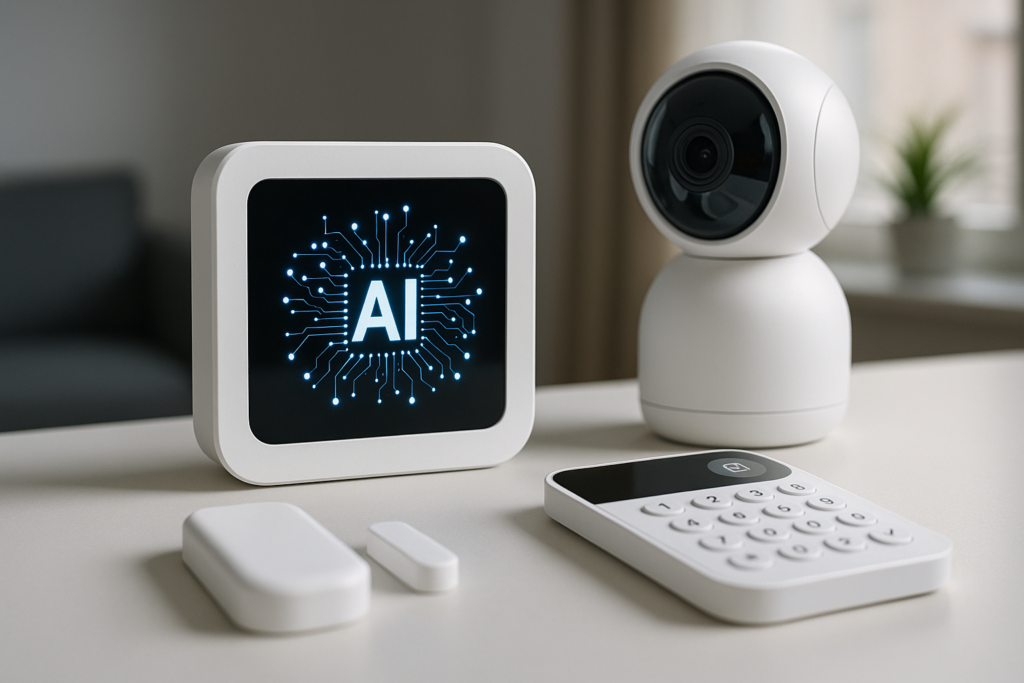
AI risks in home security include privacy breaches, cyber attacks, and ethical concerns that homeowners should consider before adopting these systems. By understanding these hidden risks, you can make informed decisions and take practical steps to secure your home and sensitive data.
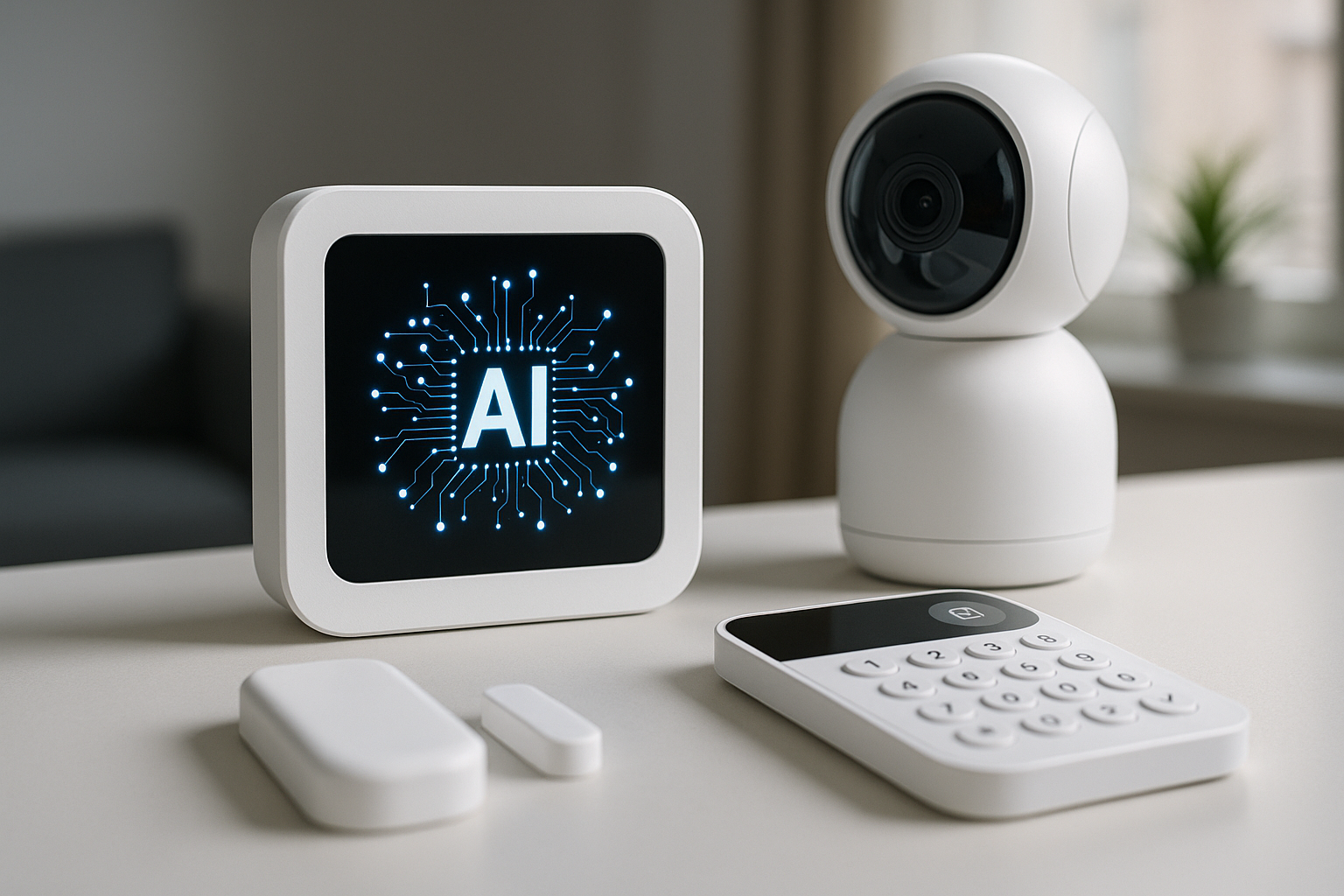
Understanding AI Risks in Home Security
AI technologies have revolutionized home security with features like facial recognition, smart surveillance, and real-time alerts. However, these advancements also introduce new vulnerabilities. Risks such as unauthorized access, data misuse, and sophisticated cyber attacks have become more prominent with the integration of AI and Internet of Things (IoT) devices.AI as Modern Technology for Home Security Systems: A Systematic Literature Review
Common AI-Driven Security Risks
- Data Privacy Breaches: Sensitive home and personal data can be collected and potentially exposed without adequate safeguards.
- Cyber Attacks: Attackers may exploit vulnerabilities in AI algorithms or connected devices, leading to unauthorized control or surveillance.
- Adversarial Manipulation: Malicious actors may deceive AI systems using crafted inputs (e.g., fake images), bypassing security measures.Security Risk and Attacks in AI: A Survey of Security and Privacy
- Model Inversion/Data Poisoning: Attackers may deduce stored data or corrupt the AI model to behave incorrectly.
- Misuse of Generative AI: Generative AI in IoT ecosystems opens up potential for advanced impersonation or data modification.Security Risks Concerns of Generative AI in the IoT
Why These Risks Matter
Unlike conventional security vulnerabilities, AI risks can be harder to detect and defend against. Automated decision-making can escalate the impact of errors or attacks, such as misidentifying authorized users or sharing footage with unauthorized parties. Homeowners may not realize how much data their devices collect or how easily these systems can be manipulated if left unprotected.
Checklist: Uncovering Hidden AI Risks in Your Home Security
| Risk Category | Potential Issue | Action to Mitigate |
|---|---|---|
| Data Privacy | Excessive data collection or storage by cameras and sensors | Regularly review device privacy settings and data use policies |
| Cybersecurity | Device or AI model vulnerabilities | Ensure firmware/software updates and use strong authentication |
| AI Algorithm Risks | Susceptibility to adversarial manipulation | Select systems with robust and transparent AI models |
| IoT Integration | Unprotected communication between devices | Use encrypted connections and isolate devices on your network |
| Ethical and Legal | Bias or misuse in facial recognition | Check for compliance with privacy laws and ethical standards |
Concrete Steps to Reduce AI Risks
- Audit Your Devices: List each AI-enabled device and note what data it collects, where it stores information, and how it communicates.
- Review Manufacturer Security Policies: Look for regular updates, secure communication protocols, and clear privacy policies.
- Limit Data Exposure: Change default settings to minimize data sharing. Disable unnecessary cloud services unless needed.
- Update Regularly: Keep device firmware and any linked apps updated to patch vulnerabilities as they arise.
- Strengthen Authentication: Use unique, strong passwords and enable two-factor authentication where available.
- Network Segmentation: Isolate smart home devices from your main computer and work networks.
- Monitor Access Logs: Check device and app access logs for unusual activity or failed login attempts.
- Consider Vendor Transparency: Prefer brands that publicly communicate about their use of AI, security practices, and how they handle incidents.
Illustrative Example: Prioritizing AI Risks
Suppose a homeowner uses an AI-powered security camera and a smart door lock integrated through a central hub. They want to prioritize risks and actions.
- Step 1: Identify all devices: AI camera, smart lock, and central hub.
- Step 2: Audit what data is being collected: video footage, entry logs.
- Step 3: Check if devices are updated and use encryption for communications.
- Step 4: Set strong passwords for all devices and enable two-factor authentication on the main account controlling the hub.
- Step 5: Review privacy settings—disable cloud recording unless necessary and ensure local storage is encrypted.
- Step 6: Segregate the central hub and devices onto a dedicated network segment (e.g., guest network).
- Step 7: Regularly review access logs and adjust settings if unexpected connections appear.
Result: The homeowner addresses data privacy, cyber attack risk, and AI misconfiguration by following clear, actionable steps adapted from primary-source guidance.
Important Limitations and Uncertainties
No security system is completely immune to new threats. AI models and IoT hardware can introduce previously unknown risks, and manufacturers may not always disclose every detail. Homeowners should stay informed about emerging vulnerabilities and shift their approach as standards and best practices evolve.AI as Modern Technology for Home Security Systems: A Systematic Literature Review
Learn More About Safe Home Security Choices
Protecting against AI risks in home security means balancing convenience with vigilance. For practical innovations and actionable steps, see AI-Powered Home Security: Practical Steps and Innovations. To manage other hidden costs and risks in homeownership, visit Understanding the Hidden Costs of Homeownership.
As a next step, consider conducting your own device audit using the checklist above and consult original manufacturer documentation to enhance your system’s security.