Family routines AI tools can streamline daily schedules and reminders, but integrating AI into home life poses challenges. To successfully transform routines, families must identify needs, match tools to household dynamics, and address points where technology may fail. Here’s a focused guide to help families maximize the benefits and minimize pitfalls.
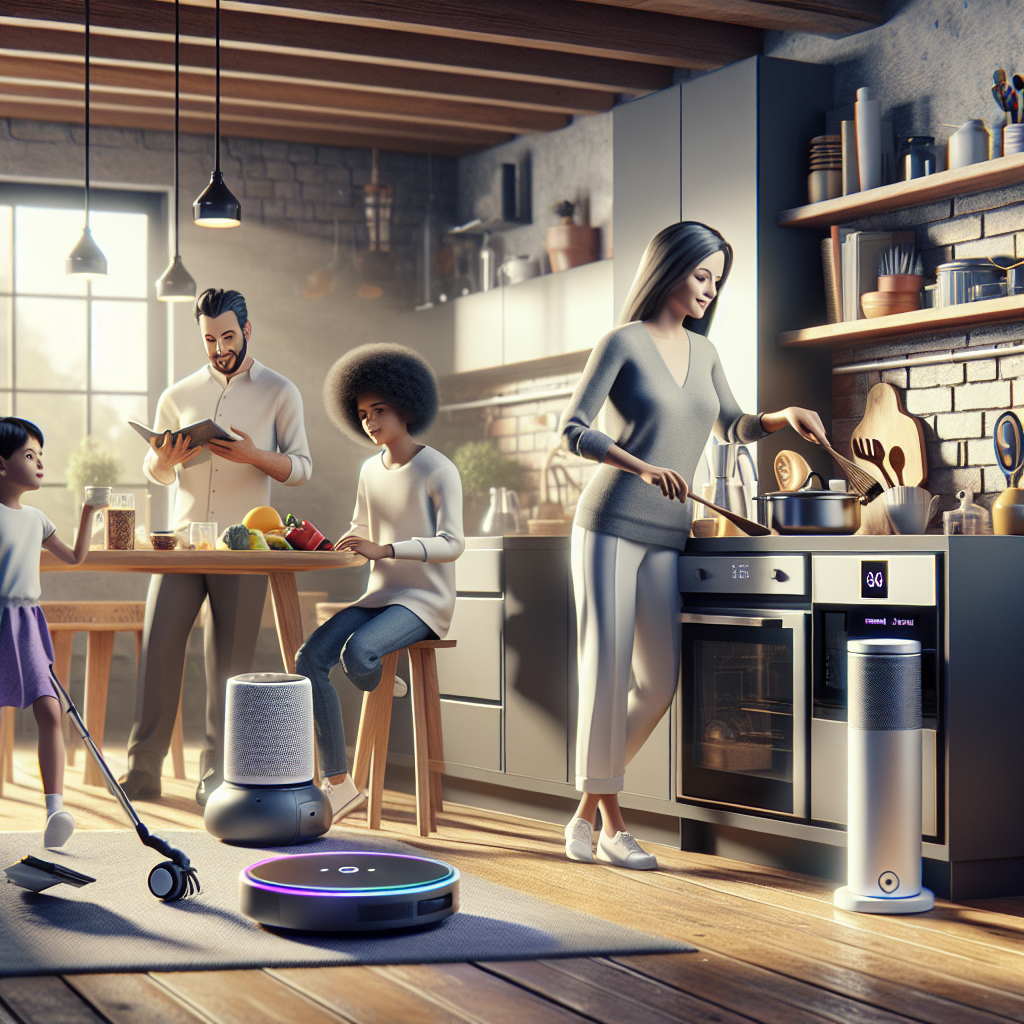
Why Use AI Tools for Family Routines?
AI tools offer personalized reminders, smart scheduling, and even health education support, aiming to reduce parental cognitive load and increase engagement for children. Studies show that such tools, including robots and intelligent systems, may improve routine management and health education outcomes for families when thoughtfully implemented (Frontiers in Psychology).
Key Actions Before Choosing Family Routines AI Tools
- Identify routines needing support. Consider tasks like morning prep, homework reminders, or medication schedules.
- Define who benefits. Will the tool manage individual routines (e.g., reminders for children), or whole-family activities (e.g., meal-planning)?
- Clarify household dynamics. Note family expectations: Who is authorized to change, snooze, or ignore AI reminders?
How to Integrate AI Tools: A Step-by-Step Approach
- Map out current family routines. List recurring daily and weekly tasks for all members.
- Pinpoint friction points. Ask: Where do routines break down—missed appointments, forgotten chores, conflict over timing?
- Match tools to needs. Select AI products that fit identified tasks (robot reminders, smart screens, or app notifications).
- Set clear rules for tool use. Decide who programs, overrides, or dismisses reminders and notifications.
- Pilot with one task first. Start with a single, well-defined routine. Track if the AI serves the intended purpose.
- Gather feedback and adjust. Regularly ask family members if the new system helps or causes frustration.
Checklist: Avoiding Common AI Routine Failures
| Potential Failure | What to Check | Fix Steps |
|---|---|---|
| Ignored reminders | Too frequent, mistimed, or unpopular voice/character | Adjust timing, customize alert or personalize with family input (Designing Robots for Families) |
| Conflicting authority | Unclear who can change or override AI instructions | Set explicit permissions and communicate roles |
| Overload of notifications | Too many tasks scheduled at once | Prioritize most urgent or valued routines; limit reminders |
| Privacy/comfort concerns | Some members dislike being monitored | Solicit input, use opt-in settings, and store data locally where possible |
| Disengaged children | Children ignore or resent AI prompts in group routines | Focus use on individual tasks, personalize interaction style (FRRI Study) |
Decision Criteria: What Makes a Good AI Tool for Family Routines?
- Customizability: Can you tailor reminders, timing, voices, or roles?
- Authority settings: Does the tool support multiple users with different permissions?
- Privacy controls: Are you comfortable with where and how family data is stored?
- Age-appropriate interface: Is the interaction style friendly and useful for all ages?
Illustrative Example: Introducing an AI Reminder Robot for Homework
Assumptions: Family with two school-age children; homework often forgotten. Parents want a shared robot to prompt homework time.
- Step 1: Family maps weekday routines, spotting missed homework as a repeat issue.
- Step 2: They select a robot that can schedule reminders and uses a friendly character voice.
- Step 3: Parents set the robot to announce “homework time” at 5:00 pm daily.
- Step 4: The robot is placed in the family room, and both kids are shown how to snooze or acknowledge reminders.
- Step 5: After a week, one child regularly ignores the robot. Family discussion reveals the voice is too robotic and the time conflicts with an afterschool snack.
- Step 6: Parents adjust the reminder to 5:15 and switch to a more playful voice option. Kids agree to take turns acknowledging the reminder.
Outcome: This test-and-adjust process, based on open family feedback, increased engagement and reduced missed homework—not by flawless technology, but through flexible adaptation (see source).
Special Tip: Integrating AI for Family Health Routines
AI health education and reminder tools can offer personalized advice, improving adherence to routines like medication or exercise. A study found that such AI tools can increase the effectiveness of family-based health education when updates and feedback are regularly reviewed and adjusted per user response (Frontiers in Psychology).
Troubleshooting Steps If Routines Break Down
- Review logs or reminder history for pattern of missed or ignored events.
- Solicit input from all family members about what’s not working—timing, tone, method, or authority.
- Test and revise one variable at a time (reminder type, time, or method) for a week, then reassess.
- Scale back to essentials if overload occurs; add complexity only when the base routine is stable.
Limits, Uncertainties, and Ongoing Adaptation
AI tools for family routines are not one-size-fits-all. Research shows effectiveness depends on participation, adjustment to household context, and careful role-setting. Success is most likely when families involve everyone in setup and regularly revisit tool settings (FRRI Study).
Explore Related Guides
- 7 Smart AI Tools for Enhancing Family Experiences in 2026
- Family bonding AI tools: A Practical Guide
- How to Choose Family-Friendly AI Tools: Clear Criteria
Next step: Choose one family routine and pilot an AI tool by following the checklist above. Track feedback for two weeks, then refine your setup based on your family’s real experiences.
Sources and further reading
- (PDF) Designing Robots for Families: In-Situ Prototyping for Contextual Reminders on Family Routines
- Robots in Family Routines: Development of and Initial Insights from the Family-Robot Routines Inventory | IEEE Conference Publication | IEEE Xplore
- Frontiers | Artificial Intelligence-Based Family Health Education Public Service System
Related guide: Family routines busy lives: A Practical Guide.