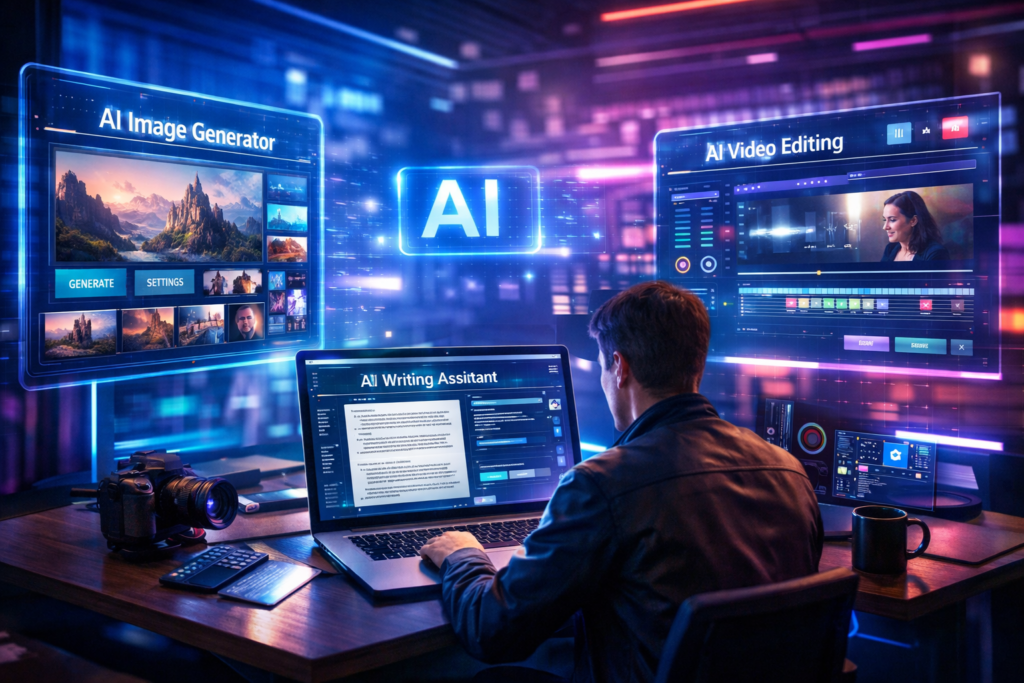
AI-powered personal assistants in 2026 have evolved far beyond simple voice-activated tools. They now offer context-aware support, proactively suggest actions, and adapt to individual behaviors, helping users schedule tasks, interact with devices, and overcome accessibility barriers. However, challenges remain around privacy, transparency, and execution reliability.
Understanding the Evolution of AI-Powered Personal Assistants
Modern AI-powered personal assistants have grown from responding to commands to learning about their users and anticipating their needs. Recent advancements include adaptive learning algorithms, improved natural language processing, and real-time personalization (JAMS 2026). They can interpret not just what you say, but also what you might need next, offering proactive assistance tailored to your context.
Key Features and Decision Criteria
When considering an AI-powered assistant for your needs, evaluate these main features:
- Contextual Understanding: Ability to interpret your environment, routines, and preferences.
- Adaptive Learning: Learns from your interactions to improve over time.
- Proactive Assistance: Offers suggestions or reminders at appropriate moments.
- Natural Language Processing: Communicates in everyday language and understands nuanced requests.
- Accessibility: Includes voice, text, and even avatar-based interfaces, supporting users with disabilities (Scientific Reports 2026).
- Privacy and Transparency: Lets you see and control how your data is used.
Checklist for Assessing an AI-Powered Assistant (2026)
| Criteria | Meets My Need? | Notes |
|---|---|---|
| Context understanding | ||
| Adapts to usage patterns | ||
| Proactive (but not intrusive) | ||
| Easy, natural dialogue | ||
| Accessible interfaces | ||
| Privacy controls |
How Avatar and Real-Time Assistants Enhance Interaction
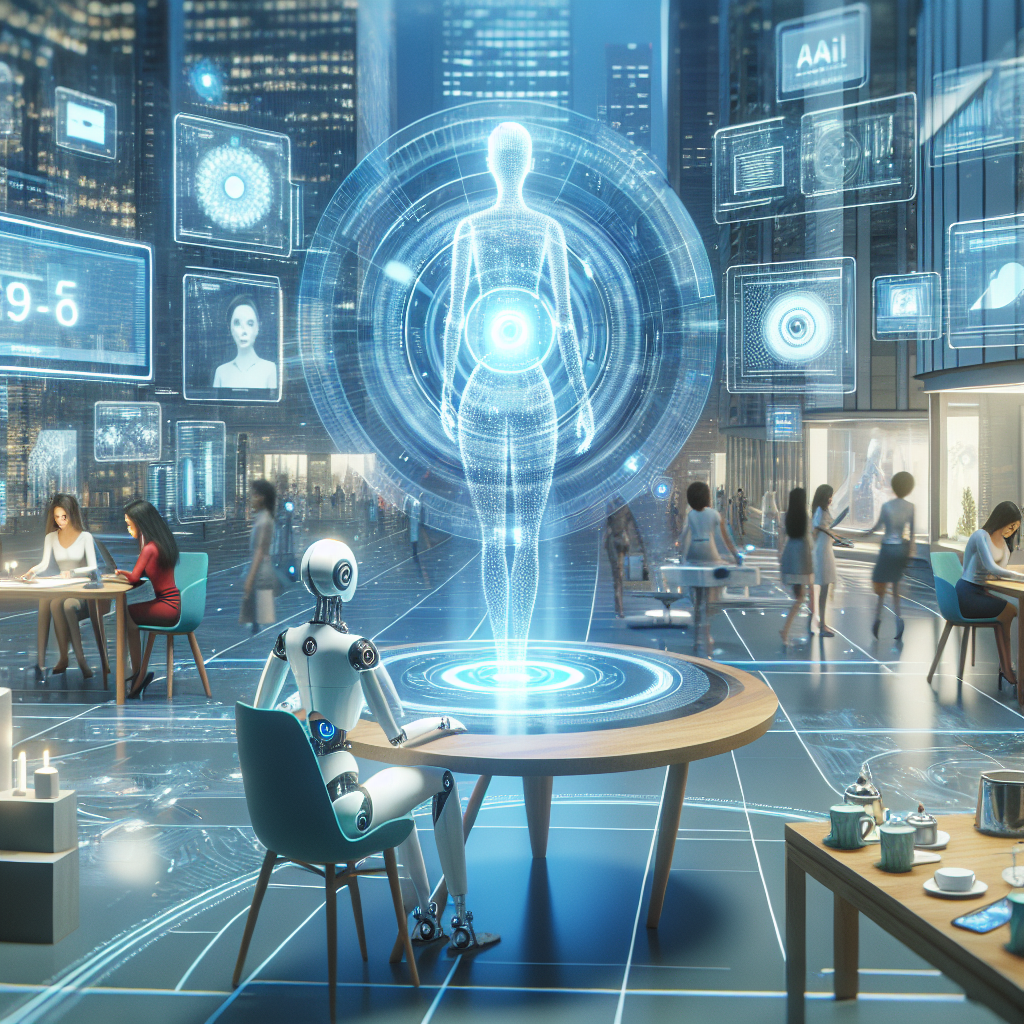
AI-powered avatar assistants use animated digital characters and advanced speech recognition to make interactions more engaging. They excel at understanding conversational nuances and maintaining natural dialogues (Springer Nature 2026). Real-time animation and expression add clarity for users, especially in education and support contexts, making technology more approachable and human-like.
Addressing Accessibility with Adaptive AI
A major leap forward is the use of adaptive AI to personalize interactions for users with disabilities. For example, assistants for blind users now combine real-time behavioral adaptation with audio feedback, enabling more independent living and easier interaction with devices (Scientific Reports 2026).
Common Challenges in 2026
- Contextual Interpretation: Even the best assistants sometimes misjudge situation or intent, leading to incorrect or untimely suggestions.
- Execution Reliability: Some complex tasks may not be performed as expected, especially when systems must interact with third-party apps.
- Transparency and Privacy: Users can find it difficult to track what data is held, or to control information sharing.
- User Overwhelm: Poorly-timed proactive notifications or advice can frustrate instead of help (JAMS 2026).
Illustrative Example: Choosing the Right Assistant
Assumptions: You are deciding between two AI assistants. Your main goals are scheduling, personalized reminders, and accessibility for mild visual impairment.
- Option A offers context awareness, basic voice commands, but minimal adaptive learning.
- Option B features adaptive learning, proactive support, advanced privacy controls, and robust audio feedback.
Checklist applied:
| Criteria | A | B |
|---|---|---|
| Context understanding | Yes | Yes |
| Adapts to usage patterns | No | Yes |
| Proactive (not intrusive) | No | Yes |
| Easy, natural dialogue | Yes | Yes |
| Accessible interfaces | Basic | Advanced |
| Privacy controls | Basic | Advanced |
Conclusion: Option B better fits needs for adaptability and accessibility, illustrating how modern assistants differ on key criteria.
Practical Steps to Get Started
- Identify your most valued assistant features, such as personalized reminders or accessibility adaptations.
- Use the checklist above to compare available AI assistants and select the most suitable option for your needs.
- Review privacy policies and adjust settings to control data usage and transparency.
- Set up and train your assistant gradually, allowing it to learn and adapt safely over time.
Limitations and Future Directions
The field is advancing but not without hurdles. Future developments should focus on improving context awareness, execution reliability, and making proactive help genuinely helpful and unobtrusive. Increased transparency and user control over data remain critical demands (JAMS 2026).
Explore Related Topics
Next, make your own checklist and compare assistants based on your needs—prioritizing adaptability, privacy, and accessibility ensures you’ll choose the right AI-powered personal assistant for 2026 and beyond.
Sources and further reading
- AI-Powered Personal Assistants: A Systematic Literature Review ofScheduling and Everyday Life Applications | Journal of Advanced Multidisciplinary Studies (JAMS),
- AI-powered avatar assistants: a systematic literature review of tools, application domains and challenges | Journal of Ambient Intelligence and Humanized Computing | Springer Nature Link
- A behaviour-adaptive AI assistant enhancing accessibility and usability for blind users through real-time interaction personalization | Scientific Reports