5G Technology: The Smart Cities Revolution in 2026
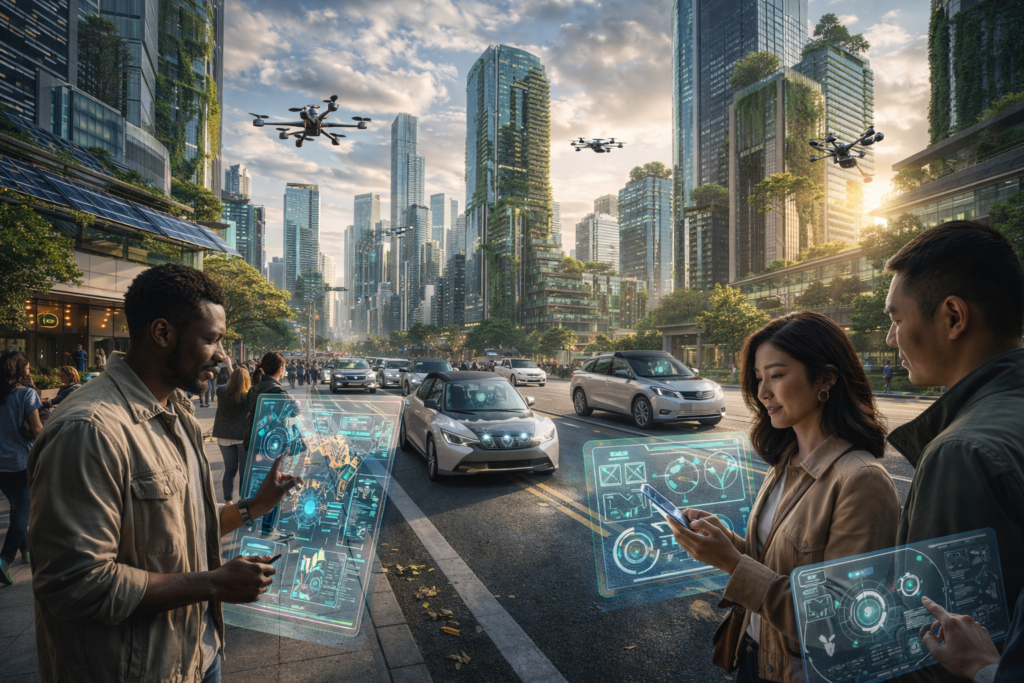
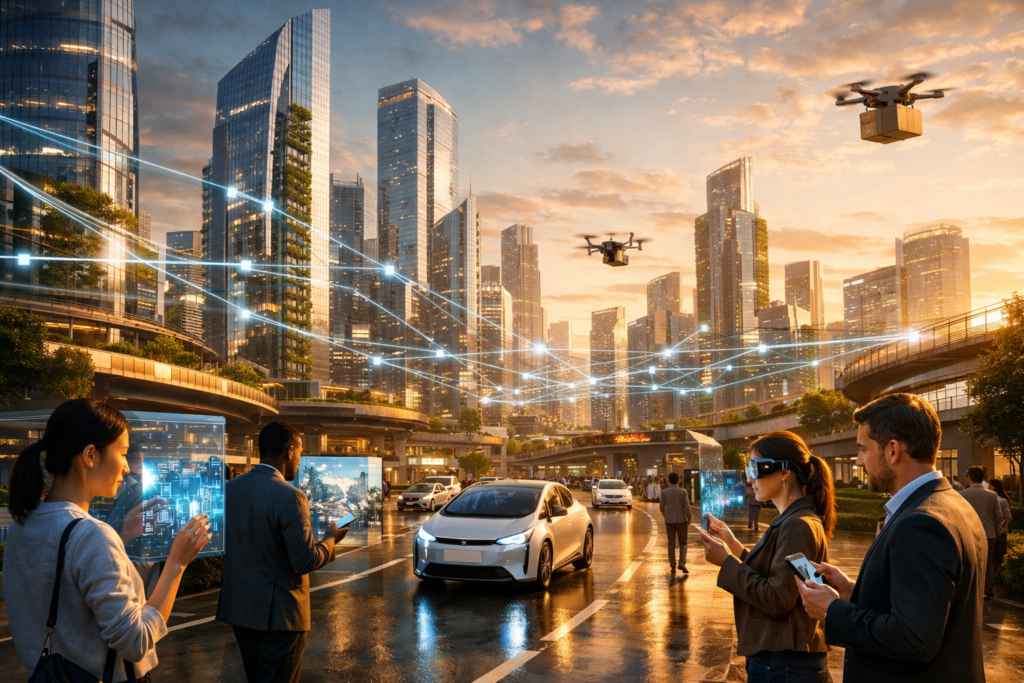
In 2026, the 5G technology wave has only intensified its impact on urban ecosystems. Smart cities, characterized by interconnected systems and data-driven decisions, are emerging as essential frameworks for improving quality of life. With the Internet of Things (IoT) integration, urban areas are on the brink of remarkable transformations, enhancing efficiencies and fostering sustainability. This article explores how 5G technology is reshaping smart cities and driving IoT applications forward.
Understanding the Role of 5G Technology on Smart Cities
The foundation of smart cities is built on efficient communication. 5G technology offers unprecedented data speeds, low latency, and a significant increase in device connectivity. These features are crucial for real-time data processing, which is essential for city management, public safety, and infrastructure development. The capabilities of 5G enable the interconnection of more devices than ever before, creating a network of systems that can communicate seamlessly.
The Enhanced Connectivity of Smart Cities
One of the most notable impacts of 5G technology is enhanced connectivity. IoT devices, such as smart traffic lights, waste management sensors, and emergency response systems, benefit immensely from 5G’s capabilities. For instance, smart traffic lights embedded with sensors can communicate with approaching vehicles, adapting to the flow of traffic in real-time. This reduces congestion and improves safety.
Case Study: San Francisco’s Smart Cities Traffic System
In San Francisco, the implementation of 5G-enabled traffic systems has reduced wait times at intersections by an impressive 30%. Using real-time data, traffic lights adjust based on actual vehicle flow, demonstrating how 5G technology can foster smarter urban mobility.
Leveraging 5G for Sustainable Urban Living
Sustainability is a critical factor in modern urban planning. Cities are adopting smart solutions that conserve resources and reduce waste. 5G technology makes this possible through enhanced data analytics. Smart waste management systems, for example, utilize IoT sensors to monitor bin capacity, thereby optimizing collection routes and schedules.
Example: Barcelona’s Waste Management Revolution
Barcelona has integrated a 5G-enabled waste management system that has led to a decrease in emissions by 20% due to optimized collection methods. Such advancements highlight the integral role of 5G technology in promoting eco-friendly urban solutions.
The Challenges of Implementing 5G in Urban Areas
Despite the promising advantages, the implementation of 5G technology is not without challenges. Infrastructure costs, regulatory hurdles, and public concerns regarding health effects pose significant barriers to development. Cities must invest not only in the technology itself but also in the associated infrastructure to support it.
Strategies to Overcome Implementation Challenges
- Public Engagement: Engaging the community can mitigate concerns about potential health risks and garner support for initiatives.
- Partnerships: Collaborations between public and private sectors can introduce shared investment, easing the financial burden on cities.
- Gradual Rollout: A phased approach to implementation can allow time to address technical and logistical challenges effectively.
The Future of 5G and IoT in Smart Cities
Looking ahead, the synergy between 5G technology and IoT will continue to redefine urban living. With advancements in AI and machine learning, cities will leverage the wealth of data collected through IoT devices to make predictive analyses that foster proactive governance. Imagine a city where public services adjust in real-time based on citizen behavior—this is the future.
Innovative Applications on the Horizon
Some of the most exciting potential applications of 5G technology in smart cities include:
- Autonomous Public Transport: Buses and trains could operate seamlessly with real-time data, improving efficiency and reducing wait times.
- Smart Health Services: Wearable devices can collect health data and alert healthcare providers in emergency scenarios.
- Dynamic Energy Management: Smart grids will make real-time adjustments to energy distribution, optimizing usage and reducing waste.
Conclusion
As we explore the possibilities that 5G technology heralds for smart cities, it’s clear that the future is bright. Implementing 5G will not only enhance urban connectivity but also promote sustainability and efficiency in our daily lives. The journey will certainly not be without its challenges; however, the benefits far outweigh the obstacles. Embracing this technology can lead to the construction of smarter, more sustainable urban environments that cater to the needs of their inhabitants.
FAQs
Q1: What is 5G technology?
A1: 5G technology is the fifth generation of mobile communication technology that offers higher speeds, lower latency, and greater capacity than its predecessors.
Q2: How does 5G assist in smart city applications?
A2: 5G enhances connectivity among IoT devices, enabling real-time data exchange, which is crucial for efficient city management and public safety.
Q3: What challenges does 5G technology face?
A3: The main challenges include high infrastructure costs, regulatory issues, and public concerns about health effects.
Q4: What future applications can we expect from 5G in smart cities?
A4: Future applications may include autonomous public transport, smart health services, and dynamic energy management systems.
For further reading on technology advancements in urban environments, check out [Smart Cities Dive](https://www.smartcitiesdive.com/) and [IoT For All](https://www.iotforall.com/).